














Using Tarot to Enhance Decision-Making in Role-Playing Games
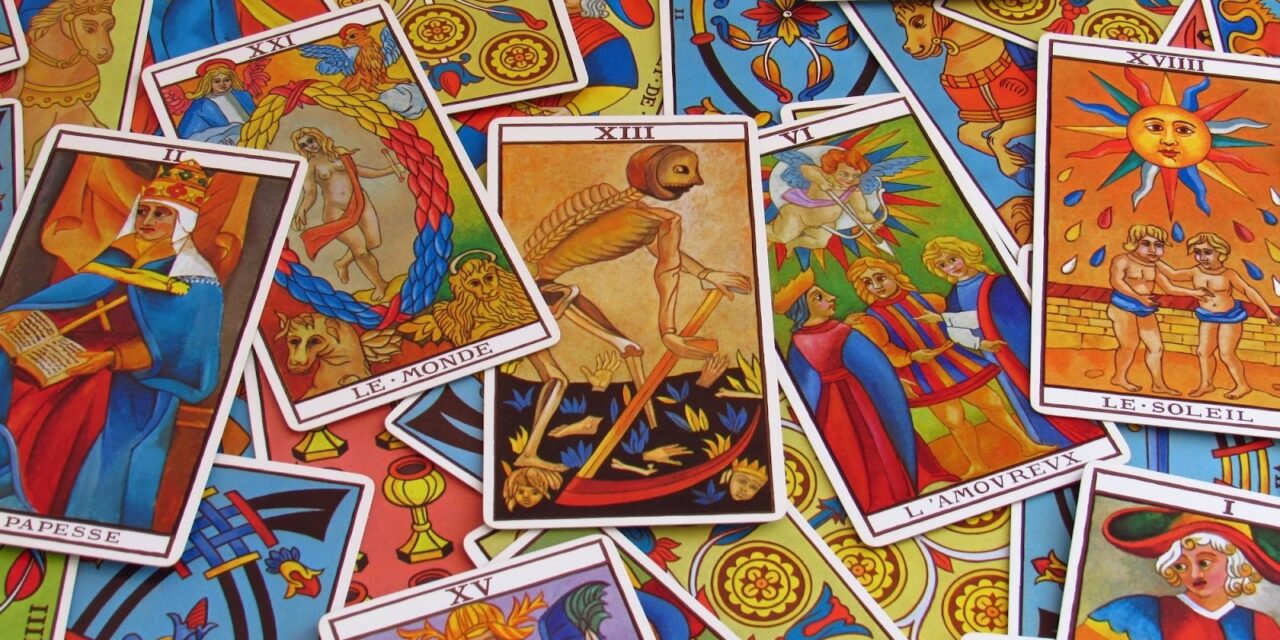
Tarot can turn tough RPG choices into creative prompts. The cards add flavor, structure, and surprise without slowing the story. You do not need to be a mystic to tackle tarot, and you just need a repeatable way to ask better questions at the table.
Why Tarot Fits RPG Decision-Making
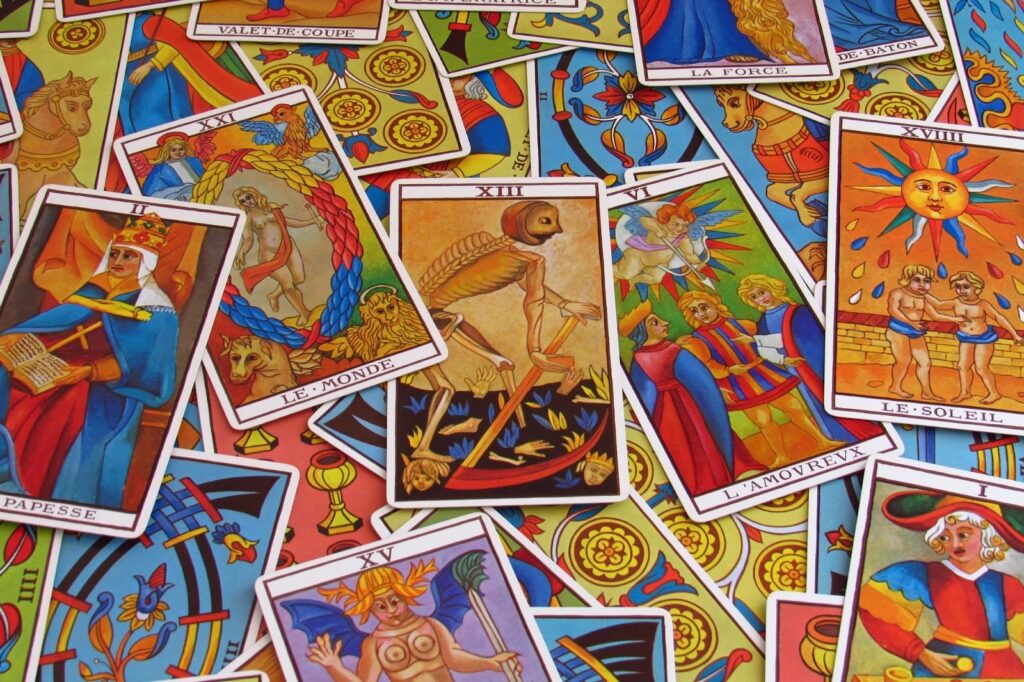
Tarot gives you symbols with built-in tension: Swords cut, Cups heal, Pentacles ground, and Wands spark action. That language helps players frame choices fast and spreads the load. When the deck offers a prompt, the group can riff together instead of waiting on one person.
Draw a card to tilt the scene. A grim card can push risk, and a bright card can invite mercy. You still make the call, but the card nudges your angle. This keeps the play fresh and stops analysis from dragging the session.
A Quick Flow for Card-Powered Choices
Keep the flow simple so it does not derail the scene. Ask a focused question, draw a single card, and name the first 2 or 3 meanings that fit your game. Turn those meanings into options you can act on right now. This is a tight loop you can repeat all night.
You don’t need a physical deck to make the right choices. You can use an online one card tarot reading as a checkpoint during play. When the party stands at a fork, or when an NPC’s intent is unclear. Make the draw visible so everyone sees the same prompt.
Character Arcs from the Deck
Tarot is great for character depth. Pull a card for a flaw the hero denies, and pull another for a value they protect at all costs. Now you have a compass for choices. In tense scenes, draw a quick card to decide which force wins today.
Tarot questions spark reflection and nuanced traits. That same idea fits RPGs neatly, and asks what the character fears, wants, or hides. Let one card steer a small beat in the scene. Those beats add up to an arc that the table can feel.
Solo and GM-lite Play with Tarot
Tarot can carry a lot of weight when you play solo or with a light-touch GM. Use the deck to answer yes-no questions, shape scenes, or define NPC moods. Draw to find the next door or the next twist.
Practical guides keep it straightforward by stressing a clear question, a shuffle, and a draw. That rhythm works when you do not have another player to bounce ideas off. It helps a busy GM keep scenes moving. When the table stalls, pull a card and put its energy on the stage.
Table Rituals That Keep Play Moving
Before play, agree on what each suit leans toward in your setting. Maybe Wands means risky magic, or Pentacles means debts. Keep that cheat card in the center. Shared meaning reduces debate and speeds decisions.
Use a timer for short draws. Name the question, flip the card, speak a meaning, and act before the timer ends. Add a discard rule so the same card does not steer three scenes in a row.
Shuffle during table talk so the next draw is ready. Small rituals make the deck feel like part of the system. Here are some quick ritual ideas:
- Suit map customized to your world.
- A 30-second card means timer.
- A discard bowl for already-used trumps.
- One redraw per session for the whole group.
Mental Health on Game Night
Tarot lowers the cost of choosing by narrowing options to a theme. That gentle constraint can calm the table and spread creative work across players. When everyone shares the prompt, no one will have to carry the full weight of the story.
Use the cards for mood checks, too. Draw before a heavy scene and ask how to keep it safe. A hopeful card might suggest lines of support, whereas a darker card might nudge a trigger warning or a fade to black.
Give people the right to pass on a draw without pressure. Your game will feel braver when the players feel safe.
Ethics, Safety, and Boundaries
Tarot pulls from big symbols like grief, guilt, and power. Set safety tools at the start. X card, lines, veils, and open pauses all help. Make it normal to say stop and reframe a meaning that hits too hard.
Be mindful of real-world beliefs at the table. Some players love the mystic vibe, and others want pure fiction. Agree that the deck is a storytelling tool and keep the language in-world. Say the card signals a shift in the scene, not a fate for the player.
Calibrating Probability and Fairness
Pure tarot is not a dice curve, but you can still balance outcomes. Decide in advance which cards lean towards success, complication, and failure. Treat court cards as twists, as this gives you a rough spread that feels fair across a session.
You can blend dice and cards. Roll to resolve risk, draw to color the result. A success plus a grim card might mean a cost. A failure plus a bright card might mean a clue falls out anyway. Players will trust the hybrid because the math stays steady while the fiction stays vivid.
Simple fairness tools:
- Tag cards as success, twist, or trouble.
- Mulligan once per player per night.
- Shuffle after any major reveal.
- Note which suits have appeared too often.
From Session Notes to Worldbuilding
Do not let the deck’s work vanish after the game. Record each major draw and its meaning in your notes. Maybe Cups keeps showing in the harbor district, or perhaps Swords follows a certain noble house. Those links become lore you can mine later.
Turn strong draws into setting truths. If The Tower marked the old bridge, let townsfolk tell stories about a collapse years ago. If The Star blessed a shrine, make it a place of rest between quests. Your world will feel layered because its details grew from play.
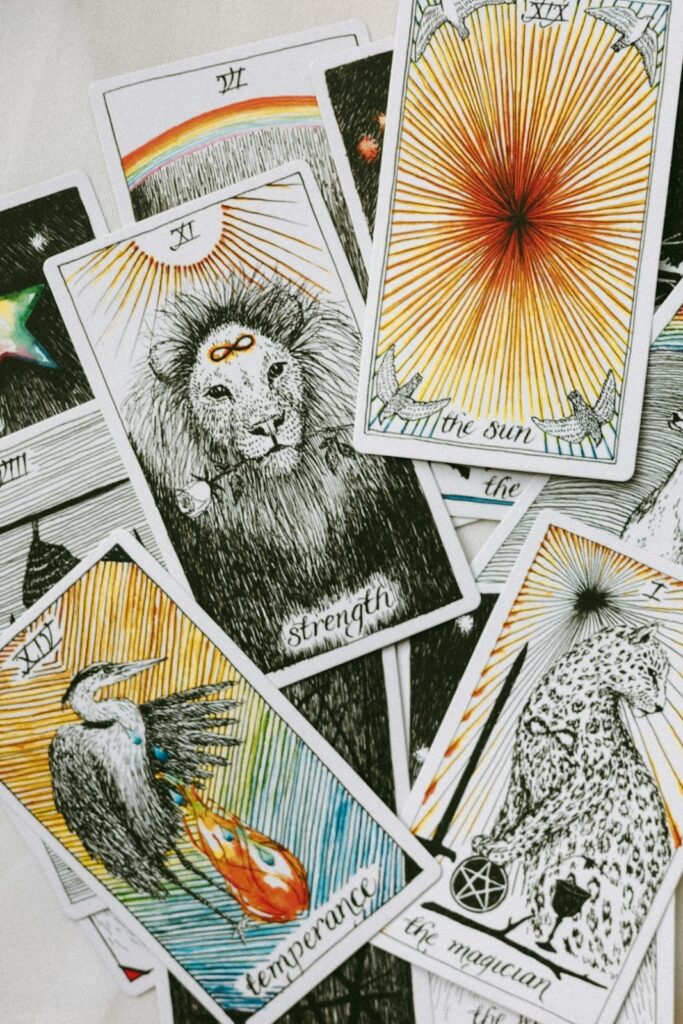
Balancing tarot and RPG mechanics is about clarity. Keep your questions short, your drawings visible, and your actions quick. Let the deck guide tone while your group decides outcomes. With a few simple rituals, tarot can turn choice paralysis into lively story beats and help your table find momentum again and again.