














Spotify Listener Trends That Define Music Discovery in 2026
Music discovery has changed faster in the last five years than in the previous two decades. Streaming platforms now shape what people hear every day. Traditional radio once decided which songs reached large audiences. In 2026, algorithms will guide that process.
Listener behavior now drives visibility. Skips, saves, shares, and repeat plays influence how far a track travels. Platforms collect and analyze this data in real time. Songs no longer depend only on label promotion. They depend on audience response.
Data also plays a central role in visibility. Artists monitor performance dashboards and adjust strategies quickly. Music discovery has become a mix of creativity and analytics.
This article explores the listener trends defining music discovery in 2026. It explains how personalization, viral moments, niche communities, data transparency, and release strategy shape what people hear. Understanding these shifts helps artists and teams adapt to a rapidly evolving landscape.
Algorithm-Driven Personalization
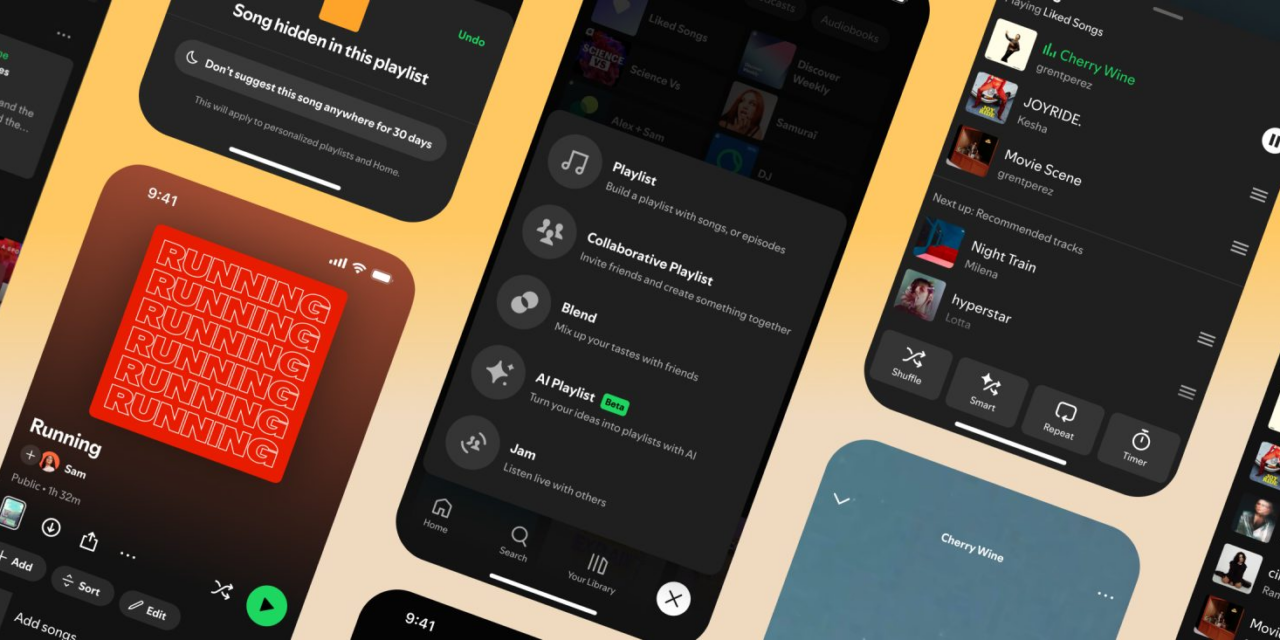
Personalized playlists influence daily listening habits more than ever. Features like Discover Weekly and Daylist refresh regularly and reflect listening patterns. These playlists feel tailored because they respond to previous behavior.
Listening to history shapes future recommendations. If a listener saves acoustic tracks often, similar songs appear more frequently. Algorithms prioritize engagement signals over popularity alone. A smaller independent artist can surface if retention and saves remain strong.
Skip rate and save rate matter deeply. A high skip rate tells the system a track failed to hold attention. A strong save rate signals lasting value. For example, a song that listeners replay multiple times within a week gains stronger algorithm support.
Engagement now outweighs chart position. The system rewards content that keeps people listening longer. Personalization defines discovery in 2026, and audience behavior remains the strongest driver of visibility.
Short-Form Content and Viral Moments
Short-form content continues to influence streaming spikes. Hootsuite reports that people watch 138.9 million Facebook and Instagram Reels every minute, which shows how fast short clips can push songs into mass exposure. A fifteen-second clip on social platforms can introduce a song to millions overnight. When curiosity grows, listeners search for the full track.
Viral clips often translate into playlist additions. If users add the song to personal playlists, algorithms register sustained interest. That interaction can push tracks into broader recommendations.
Repeat plays also fuel chart momentum. When listeners replay a catchy chorus, the system detects strong engagement. Viral moments create attention, but repeated listening sustains growth.
Attention spans influence track structure. Many songs now introduce hooks earlier. Artists adjust intros to capture interest quickly. Viral discovery rarely depends on long build-ups. It depends on the immediate impact.
Short-form exposure does not guarantee long-term success, especially when artists rely on external promotion platforms that promise rapid streaming boosts without sustained listener retention. However, it often acts as a spark that triggers algorithmic amplification.
Community Playlists and Micro Genres
Niche communities shape discovery more than mainstream charts. Listeners create and share curated playlists based on mood, lifestyle, or subculture. These collections guide others toward new music.
User-curated playlists function as modern tastemakers. A small playlist focused on underground electronic music may introduce hundreds of listeners to emerging artists. Microgenres continue to grow as audiences seek identity through music.
Collaborative playlists strengthen community bonds. Groups of friends contribute songs around shared themes. This behavior increases exposure beyond formal editorial playlists.
Authenticity drives loyalty. Listeners trust playlists that feel personal and consistent. Mood-based listening, such as late-night focus or morning energy, dominates many sessions.
Community discovery feels organic. Instead of relying solely on charts, listeners explore through shared taste networks. This shift empowers smaller artists to reach dedicated audiences without traditional gatekeepers.
Data Transparency and Artist Insights
Streaming platforms now offer detailed analytics dashboards. Artists access demographic data, including age groups and geographic regions. This transparency supports smarter decision-making.
Location-based data influences tour planning and marketing. If a track gains traction in one city, promotion can focus there. Audience retention metrics also shape release strategies. If listeners drop off before the second verse, structural adjustments become necessary.
For example, an artist noticing strong engagement from a specific country may release localized content or collaborate with regional creators. Data enables targeted action instead of broad promotion.
Analytics also guide content timing. Monitoring peak listening hours helps determine release schedules. When used responsibly, data strengthens creativity rather than limiting it.
In 2026, music discovery relies on measurable behavior. Artists who understand analytics respond faster to trends and adjust campaigns with precision.
The Role of Consistency and Release Strategy
Frequent single releases have replaced long album cycles for many artists. Consistency keeps profiles active and visible. Algorithms reward steady engagement rather than long gaps between projects.
The first week after release remains critical. Listener retention during this period influences broader distribution. Strong early saves and repeat plays often determine algorithm traction.
Pre-save campaigns build anticipation before launch. Encouraging fans to save a track in advance increases immediate engagement. That early interaction signals interest.
Strategic timing also matters. Releasing music during peak activity hours increases initial exposure. Monitoring analytics helps identify those windows.
Sustained engagement comes from consistent drops. Instead of waiting years between albums, many artists maintain steady output. In 2026, regular presence supports discovery more effectively than isolated releases.
Conclusion
Music discovery in 2026 depends on listener behavior more than industry gatekeepers. Algorithms respond to engagement, retention, and authenticity. Personalization shapes daily listening through features like Discover Weekly and Daylist.
Short-form content sparks viral moments, but sustained success relies on repeat plays and saves. Community playlists and microgenres create organic discovery paths. Data transparency empowers artists to make informed decisions about promotion and timing.
Consistency remains essential. Frequent releases and strategic planning strengthen visibility. Creativity still drives connection, but analytics guide distribution.
The balance between artistry and data defines modern music discovery. Artists who adapt to listener trends, monitor engagement signals, and maintain a steady presence position themselves for long-term growth in an evolving streaming landscape.