










Machines of Dignity: The Unexpected Ways Vending Is Powering Hygiene, Health, and Humanity
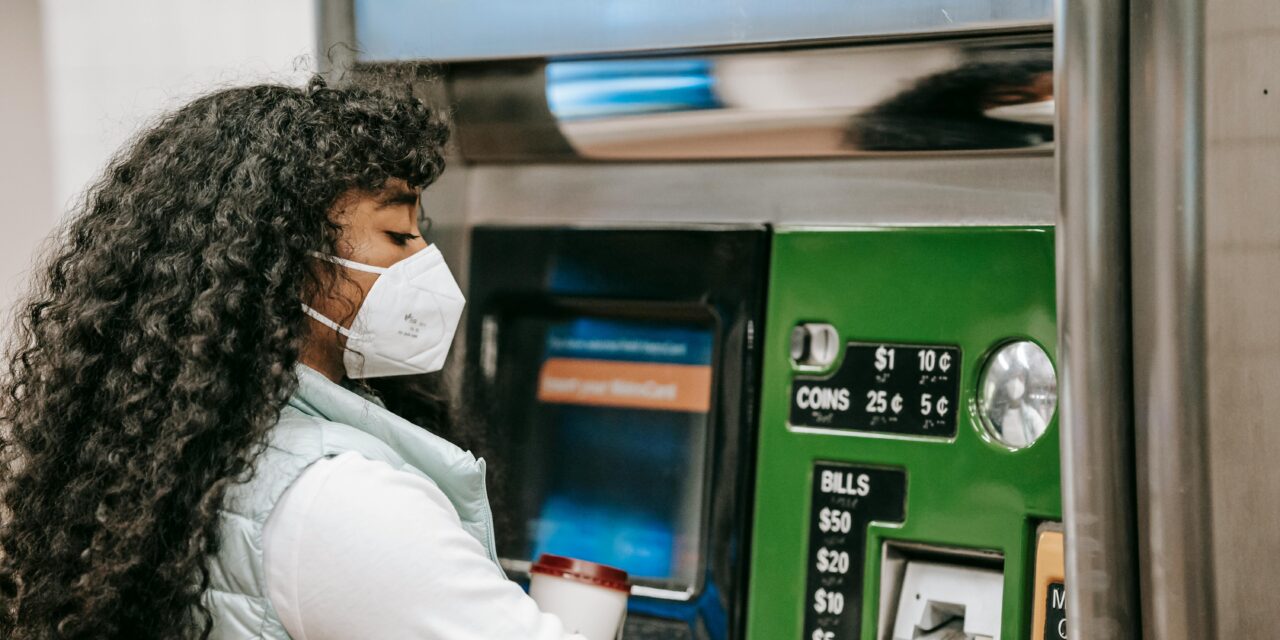
For most of us, the word vending machine calls to mind a quick snack at work, a cold drink on a hot day, or maybe a late-night candy bar grabbed from a glowing box in the corner of a quiet hallway. They’ve always been there — patient, unblinking, ready to trade coins for calories. But lately, something remarkable is happening.
The humble vending machine has grown up. It’s no longer just a snack dispenser. In cities, hospitals, airports, schools, and even remote villages, vending machines are emerging as machines of dignity — delivering hygiene, health, and hope in ways few people imagined possible just a decade ago.
Today’s vending revolution isn’t just about convenience. It’s about serving communities where traditional infrastructure struggles to reach, bridging gaps in access to essential items, and doing it with speed, discretion, and dignity.
Let’s explore how these machines are reshaping the future — and why learning how to get vending machine contracts for such impactful locations might just be one of the most meaningful business moves you could make.
From Snacks to Sanitation: The New Purpose of Vending
Once upon a time, vending machines were almost entirely about indulgence. Chocolate bars, soda, gum — items that were fun but far from essential. Then the world changed.
Pandemics, public health challenges, and shifting consumer priorities pushed us to rethink what “on-demand” should mean. Suddenly, a vending machine could do more than satisfy a craving — it could save a trip to the store, reduce exposure risks, and provide lifesaving supplies when no one else was around.
Today, you can find vending machines dispensing:
Personal hygiene kits with soap, toothpaste, and menstrual products.
Medical supplies such as masks, hand sanitizer, and COVID-19 rapid tests.
Over-the-counter medicines for headaches, allergies, or stomach issues.
Clean water in refillable bottle stations.
First-aid essentials like bandages and antiseptic wipes.
This evolution means vending is no longer an optional convenience. In many contexts, it’s a critical public service.
Dignity in a Box: Why Privacy and Accessibility Matter
Here’s the magic of vending: it’s anonymous, it’s accessible, and it doesn’t judge.
Think about menstrual hygiene products. In many communities — even in wealthy countries — access is inconsistent. Public bathrooms often don’t stock them. Pharmacies can be closed late at night. And for some, asking at a counter feels embarrassing. A vending machine sidesteps all of that.
You walk up, make your selection, and leave with what you need. No questions. No awkwardness. That’s dignity in action.
Similarly, imagine a homeless shelter where people can access free hygiene kits via a vending machine, or a rural clinic with a 24/7 dispenser for essential medicines. The interaction is fast, discreet, and empowering.
In a world that often puts up barriers — whether physical, economic, or social — vending machines can quietly lower them.

Photo by Ekaterina Belinskaya: https://www.pexels.com/photo/water-dispenser-machine-on-the-wall-4700381/
Health on Demand: How Machines Are Saving Lives
While hygiene-focused machines tackle everyday needs, health-focused machines are stepping into even more critical territory.
The Rise of Life-Saving Vending
Some cities have installed vending machines that dispense naloxone (Narcan), a drug that can reverse opioid overdoses. These machines operate 24/7, allowing people — or their loved ones — to access help in moments when seconds count.
Others stock emergency contraceptives, condoms, or HIV testing kits, providing crucial reproductive and sexual health services without the delays and stigma that can accompany in-person visits.
Hospitals, too, are benefiting. Instead of keeping patients waiting for basic supplies, they’re using vending machines to offer items like baby formula, blood pressure monitors, and even pre-packaged meal options for visitors. The result? Less strain on staff, better patient care, and more control for the people who need these items.
Why Businesses Should Care About Dignity-Driven Vending
If you’re an entrepreneur, property owner, or community leader, this shift in vending should make your ears perk up. Because here’s the truth: demand for dignity-focused machines is skyrocketing — and the organizations willing to supply them are poised to lead an industry that’s growing beyond snacks and sodas.
And if you’re wondering how to get vending machine contracts for high-impact locations like hospitals, airports, schools, or public transit hubs, the answer lies in one word: partnerships.
Hospitals, government agencies, universities, and NGOs are actively looking for vending providers who can deliver essential products in a reliable, sustainable way. By aligning your machine’s purpose with a social or health mission, you position yourself as more than just a vendor — you become part of a public service solution.
How to Get Vending Machine Contracts for Impactful Locations
Getting your machines into high-traffic, high-need areas isn’t just about finding the right spot — it’s about proving your value.
Here’s what the process often involves:
Research community needs — A machine offering menstrual products might be perfect for a university campus, while a first-aid and PPE machine might serve a hospital or industrial worksite best.
Approach decision-makers — This could be property managers, municipal councils, HR directors, or non-profit boards. Present them with data on how your machines meet specific needs.
Highlight the social impact — Show how your vending model contributes to public health, reduces stigma, or improves access for underserved communities.
Offer flexible agreements — From revenue-sharing to flat rental fees, the more adaptable your terms, the more likely you’ll secure a placement.
Maintain transparency and reliability — Health and hygiene machines require consistent stocking and maintenance. Make it clear you have systems in place to avoid shortages.
Many entrepreneurs think the vending game is all about prime snack spots — but those chasing machines of dignity know that contracts with schools, shelters, hospitals, and municipalities can be even more lucrative and socially rewarding.
The Economics of Dignity
Here’s where it gets interesting: dignity-focused vending isn’t just good for the community — it’s good for business.
Why? Because essential items are non-discretionary purchases. Unlike a candy bar, which you might skip if you’re watching your sugar intake, you need a mask before boarding a flight if you’ve forgotten yours. You need feminine hygiene products in an emergency. You need clean water when your tap isn’t working.
That means demand stays strong regardless of economic fluctuations, making these machines surprisingly resilient revenue sources.
Technology That Makes It Possible
The vending revolution wouldn’t be possible without a massive leap forward in technology.
Modern machines now come equipped with:
Cashless payments — Tap your card, use your phone, or scan a QR code.
Remote inventory monitoring — Get alerts when stock is low and refill before it runs out.
Smart temperature control — Keep medicines and hygiene items at the right conditions.
Custom branding and messaging — Turn your machine into a mini awareness campaign for hygiene or health initiatives.
These innovations not only improve user experience but also make it easier for operators to manage multiple locations without constant on-site visits — a huge plus when pursuing contracts in different regions.
Why This Matters Now
We live in a time where small conveniences can mean the difference between stress and security, between vulnerability and safety. The vending machine, once overlooked, has quietly stepped into that role — and it’s doing it with efficiency, compassion, and yes, dignity.
For entrepreneurs, this is a rare opportunity: a business model where profits and purpose align perfectly. Learning how to get vending machine contracts in the right places could put you at the forefront of a movement that’s as much about humanity as it is about hardware.
And for communities? These machines are a reminder that technology and empathy can work hand in hand — delivering not just products, but peace of mind.
Conclusion
Vending machines have quietly evolved from snack dispensers into lifelines—delivering hygiene, health, and hope where they’re needed most. Whether providing menstrual products in schools, PPE in transit hubs, or first-aid kits in remote areas, these machines of dignity restore access, privacy, and choice. They’re bridging service gaps, empowering communities, and proving that convenience can coexist with compassion. For entrepreneurs, the lesson is clear: the future of vending lies in purpose-driven solutions that meet real human needs. In a world where small acts can have big impacts, these machines stand as steel-clad reminders that dignity can be delivered—one selection at a time.