











Maximizing Productivity: Why Remote Access is Essential for Businesses

The modern workplace is no longer confined to the four walls of a traditional office. Technological innovation, evolving workforce expectations, and global circumstances have rapidly accelerated the shift to remote work. Remote access has emerged as a critical factor for businesses aiming to remain competitive and productive. Remote access enables employees, managers, and stakeholders to securely access company systems, data, and resources from anywhere, facilitating continuity and efficiency. As the lines between home and work blur, businesses must leverage remote access tools not as a temporary solution but as a long-term strategic investment. This blog explores the many reasons why remote access is helpful and crucial for modern business productivity.
Choosing the Right Remote Access Software
With so many remote access tools on the market, selecting the right one for your business requires careful consideration of your team’s needs, security requirements, and budget. It’s about finding a program that works, and choosing one that supports long-term productivity and scalability. The ultimate guide to choosing remote access software lies in understanding the balance between usability and robust features, such as secure encryption, cross-platform compatibility, and user management controls. Companies should also evaluate support options and integration capabilities to ensure smooth implementation and minimal disruption to daily workflows.
Empowering a Global Workforce
Remote access allows businesses to tap into a global talent pool without geographic limitations. Companies can hire the best candidates regardless of location, promoting diversity and enabling round-the-clock operations through various time zones. This flexibility fosters a more inclusive work environment and enables businesses to scale faster. International teams can collaborate in real-time through shared digital workspaces, video conferencing, and cloud-based tools. The ability to access critical systems remotely ensures that team members remain connected and engaged, even when separated by thousands of miles.
Strengthening Data Security and Compliance
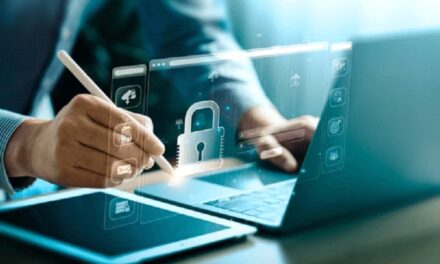
Modern remote access solutions are equipped with advanced security features, such as encryption, multi-factor authentication (MFA), and endpoint protection. These measures help safeguard sensitive business data from unauthorized access and cyber threats. Cloud-based platforms often include compliance tools to ensure businesses adhere to regulations such as GDPR, HIPAA, or PCI-DSS. IT teams can monitor access logs, enforce usage policies, and quickly respond to security incidents. By investing in secure remote access, companies protect their digital assets and build trust with clients and partners.
Enhancing Employee Flexibility and Satisfaction
Employees today are placing increased value on flexibility, autonomy, and work-life balance. Remote access supports these priorities by giving staff the freedom to work from anywhere, whether at home, in a café, or while traveling. This flexibility can significantly enhance job satisfaction and reduce stress, which in turn boosts morale and productivity. Studies have shown that happy employees are more likely to stay with their employers and perform at a higher level. By embracing remote access, companies signal trust in their teams and promote a culture of empowerment and responsibility.
Ensuring Business Continuity
Unexpected disruptions such as natural disasters, power outages, or pandemics can cripple business operations. Remote access provides a lifeline by allowing employees to continue working uninterrupted, regardless of physical office closures. With secure access to essential systems, employees can maintain productivity even during emergencies. For example, companies with robust remote access infrastructure were better equipped to navigate the sudden shift to remote work during the COVID-19 pandemic. Those without such systems struggled to adapt, highlighting the importance of planning for continuity before a crisis strikes.
Boosting Operational Efficiency
Remote access tools streamline operations by minimizing downtime and enabling quicker response times. Employees can access data, collaborate with colleagues, and make decisions in real-time, without needing to be physically present. IT departments can also remotely troubleshoot issues, deploy updates, and monitor system performance, saving time and resources. This improved efficiency reduces bottlenecks and accelerates project timelines, allowing businesses to serve clients faster and more effectively. In industries where speed and agility are crucial, remote access becomes a vital asset for maintaining a competitive edge.
Reducing Overhead and Operational Costs
One of the most tangible benefits of remote access is cost savings. Companies can significantly reduce overhead expenses associated with maintaining physical office spaces, such as rent, utilities, and office supplies. In some cases, businesses may even transition to a fully remote or hybrid model, reallocating those savings into strategic initiatives like R&D or employee development. Remote access reduces the need for travel, allowing virtual meetings and remote troubleshooting to replace costly on-site visits. This leaner operational model improves financial flexibility and sustainability.
Facilitating Real-Time Collaboration
Today’s business environment demands rapid collaboration across departments, teams, and even continents. Remote access enables seamless communication and file sharing, allowing employees to work together as if they were in the same room. Tools like shared documents, virtual whiteboards, and project management software enhance transparency and foster collective problem-solving. Video conferencing and instant messaging reduce the friction caused by distance, while remote access to shared resources ensures everyone has the information they need, when they need it. This immediacy strengthens teamwork and accelerates outcomes.
Encouraging Scalability and Innovation
Remote access infrastructure supports scalability by allowing businesses to expand operations without the need for additional physical locations. Whether onboarding new employees or opening new markets, remote access makes scaling simpler and more cost-effective. It also fosters innovation by encouraging experimentation with new technologies and workflows. Teams can test and implement digital tools that improve communication, automate tasks, and enhance performance. The flexibility of remote access empowers organizations to evolve and innovate in ways that would be difficult under a traditional office-centric model.
Adapting to the Future of Work
Remote work is no longer a trend, it’s a fundamental shift in how business is conducted. Companies that fail to adapt risk losing talent, market relevance, and operational efficiency. Remote access is central to embracing this shift. It provides the infrastructure for hybrid work models, supports asynchronous workflows, and accommodates changing employee needs. As younger generations enter the workforce with digital-first expectations, businesses must offer flexible work environments supported by robust remote access capabilities. Doing so enhances productivity and ensures long-term resilience and adaptability.

Remote access has evolved from a nice-to-have feature to a must-have component of modern business infrastructure. It empowers employees, ensures continuity, increases efficiency, reduces costs, and positions companies to thrive in an ever-changing landscape. By embracing remote access, businesses are not just adapting to change, they’re leading it. Investing in the right technologies and strategies now will yield dividends in employee performance, operational resilience, and business success for years to come. Is your organization ready to maximize productivity through the power of remote access?