














Tech Review: How Aged Care Food Apps Are Streamlining Operations
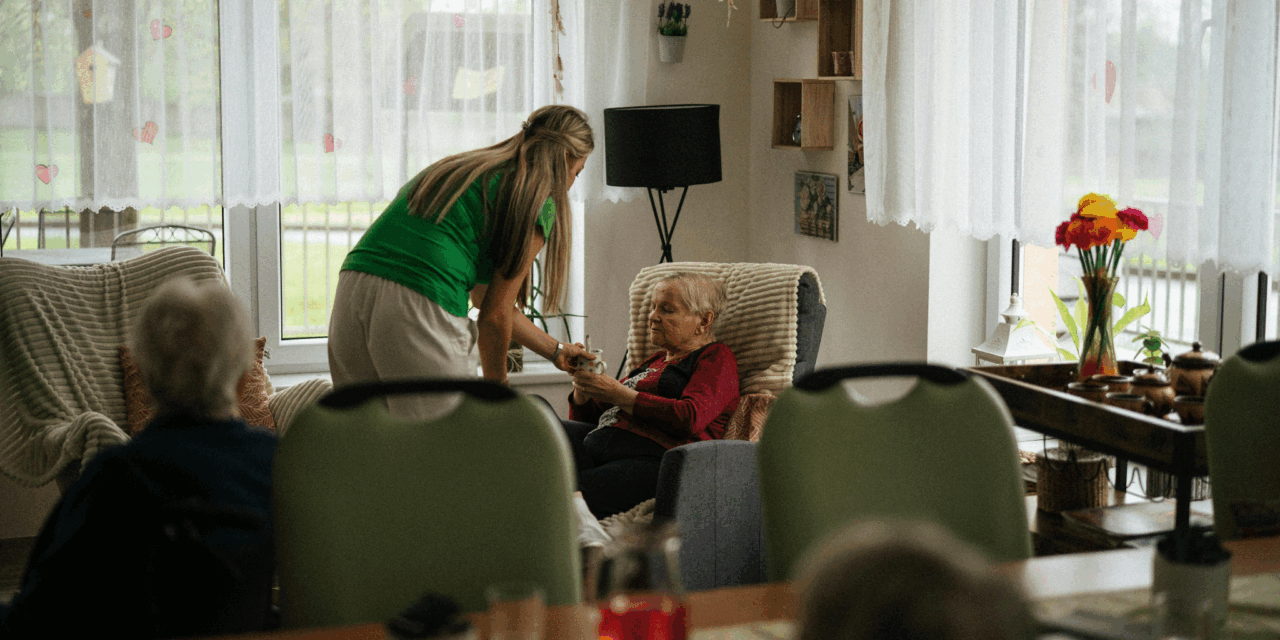
Technology in senior living has shifted from simple admin tools to complex systems that improve daily life for everyone involved. Managing meals for dozens of residents requires precision and speed to maintain high standards of care across the facility. Every detail matters when it comes to nutrition and safety for older adults in these settings.
Modern solutions now tackle everything from kitchen waste to dietary requirements with a few taps on a screen. These digital tools help staff focus on spending quality time with residents instead of filling out paper forms all day. Efficiency in the kitchen leads to a better experience for every person who lives in the building.
Modernizing The Kitchen Workflow
Kitchen teams often struggle with messy paper orders and verbal updates that lead to errors during meal service. Replacing these outdated methods with tablets allows for instant communication between the dining room and the chef. This shift cuts down on confusion during the busy lunch rush, and it saves time.
Information flows instantly so that every meal meets the exact needs of the person receiving it. Using a food management app for aged care makes it easy to track preferences without sorting through thick folders. Residents get the right plate every time without the frustration of repeated mistakes.
Staff find that digital entry saves hours of manual data logging every single week of the year. This extra time allows for better meal preparation and more creative menu planning for the whole facility. It changes the way teams handle their daily chores and improves the working environment.
Reducing Food Waste Through Data
Large facilities often prepare more food than necessary, which leads to significant financial loss. Tracking actual consumption habits helps managers order only what the kitchen really needs for the upcoming week. This prevents hundreds of dollars from being thrown away every month in the form of leftovers.
A recent article in a technical journal showed that AI systems lead to big drops in waste and help the environment. Kitchens can see which dishes are popular and which ones regularly end up in the bin. This data helps chefs adjust their recipes to suit the tastes of the seniors they serve.
Saving money on wasted ingredients means more budget is available for high-quality fresh produce and special treats. Facilities can improve the nutritional value of their offerings without increasing their total spending on supplies. It is a win for the budget and for the environment at the same time.
Improving Accuracy In Resident Diets
Allergies and swallowing difficulties require strict adherence to medical guidelines for every single resident in the home. Missing one detail can lead to serious health risks or emergencies in a professional care setting. Safety must be the top priority for every person working in the kitchen or dining room.
Digital systems flag these risks automatically so that no one accidentally serves a restricted ingredient to a resident. The software updates instantly when a doctor changes a resident’s diet plan in the medical records. This prevents dangerous mistakes that often happen with old paper systems and manual charts.
Nurses and kitchen staff stay on the same page without needing constant meetings or phone calls. This seamless link creates a safer environment for everyone living in the facility since everyone has the same data. Communication is fast and reliable for the whole medical team and the support staff.
Simplifying Pricing And Budget Control
Managing costs across different sites or departments used to take up a huge amount of administrative time for managers. Manual price checks and updates often led to mistakes in the monthly financial reports for the board. It was difficult to keep track of every cent spent on groceries and pantry items.
One government report explained that digital platforms let providers set reference prices across all their different outlets. This method cuts down on manual work and makes sure the financial data stays accurate throughout the year. It prevents overspending on supplies by highlighting where costs are higher than the average market rate.
Managers can now see their spending in real time instead of waiting for the end of the month.
- Standardized pricing models
- Automated invoice matching
- Real-time budget tracking
Building A Unified Tech Network
Many homes use different software for various tasks, which creates a disconnected mess of information for the staff. It is hard to get a clear picture of operations when data stays stuck in separate silos and folders. Teams waste time moving data from one system to another during their busy shifts.
A recent digital strategy update suggested that the sector should focus on creating a sustainable and modern IT network. Moving to a single platform helps everything run more smoothly for both the staff and the residents every day. It allows for better data sharing between different departments in the facility and reduces errors.
A unified system allows for better reporting and easier compliance with national care regulations and standards. It simplifies training since staff only need to learn one interface for all their daily tasks. This approach saves money on multiple software subscriptions and technical support fees, too.
Streamlining Compliance And Audits
Preparing for a surprise inspection used to involve frantic searches for paper records and temperature logs in the office. Having every piece of data stored in the cloud makes these audits much less stressful for the management team. Managers can relax knowing their files are organized and ready for review at any time.
Inspectors can see a clear trail of food safety checks and nutritional compliance with just one click. This transparency proves that the facility maintains high standards every day of the year without fail. It builds trust between the home and the regulatory bodies that oversee the sector.
Automatic reminders help staff stay on top of their daily checks without needing a supervisor to watch them.
- Digital temperature logs
- Automated sanitization schedules
- Traceable ingredient sourcing

Adopting new technology in the dining room is a smart move for any forward-thinking facility. These tools solve old problems like waste and errors and make life better for seniors. Making the switch pays off in both efficiency and happiness for the residents who live there.
The shift toward digital meal management is already making a huge difference in homes across the country. Investing in these systems helps make a bright and efficient future for the entire sector. Care homes are finally getting the tools they need to succeed in a modern world.