













The Art of the Comeback in Gaming and Poker
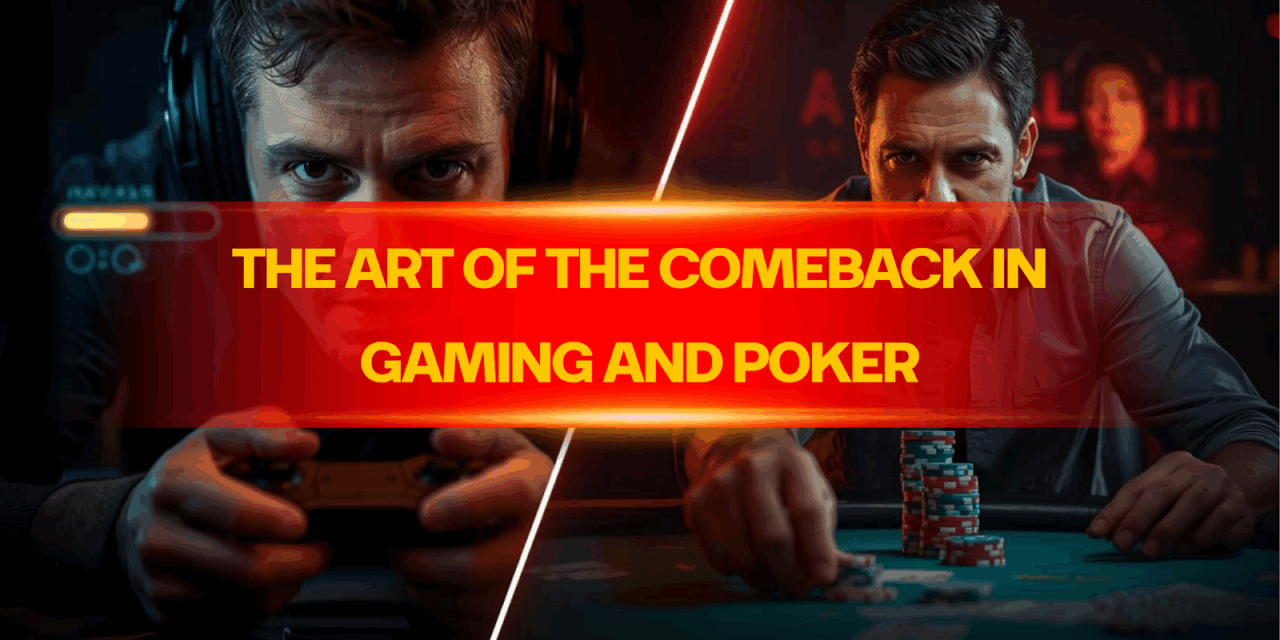
There is a universal thrill in watching an underdog snatch victory from the jaws of defeat. It is a story that transcends the medium, whether it plays out on a cinematic screen, a sports field, or a digital battlefield. In the high-stakes worlds of competitive gaming and professional poker, these moments are not just entertainment. They are legends, forged under pressure, driven by skill, and powered by an unwavering belief in the impossible.
But what happens when the chips are down and the odds seem insurmountable? That is precisely when true masters are made.
Unforgettable Turnarounds in Esports
The world of esports is filled with moments of breathtaking skill, but the most memorable are often the incredible turnarounds. These are not just about winning. They are about defying expectations and rewriting the script in real time. The same mental discipline that defines these moments connects directly to strategic games of all kinds, including competitive card game strategy, where composure and calculation are equally decisive.
Consider one of the most iconic events in fighting game history: “Evo Moment 37.” During a 2004 Street Fighter III: 3rd Strike tournament, legendary player Daigo Umehara was down to his last pixel of health. His opponent unleashed a multi-hit special move that was guaranteed to end the match. In a display of extraordinary timing and prediction, Daigo perfectly parried all 15 hits, a feat requiring frame-perfect precision, and launched his own winning combo. It was a comeback so improbable that players and analysts still study it today. Similar stories of grit echo through tournaments for games like League of Legends and Dota 2, where teams have clawed their way back from massive deficits to hoist championship trophies.
Poker’s Most Incredible Comeback Stories
This same heart-pounding drama is not confined to pixels and processors. The quiet intensity of the poker table has been the stage for some of history’s most nerve-wracking reversals, where fortunes can shift with the turn of a single card.
The legend of Jack “Treetop” Straus at the 1982 World Series of Poker is a defining example. Pushed all-in and losing a hand, he believed he was eliminated, only to discover a single 500-dollar chip tucked beneath a napkin. From that solitary chip, he mounted an unbelievable run through a field of the world’s best players, eventually winning the entire tournament. His story gave rise to the famous poker adage: all you need is a chip and a chair. These moments are not pure chance. While luck plays a role, skill is a significant factor in poker outcomes over time, and it is the mastery of fundamentals that separates the legends from the hopefuls. Reading opponents, managing risk, and knowing precisely when to apply pressure are the pillars that define every great comeback at the table.
The Psychology Behind Every Great Comeback
So what is the secret ingredient that connects a Street Fighter champion and a poker legend? It comes down to a shared mental fortitude that is every bit as critical as technical skill. Players who reach the top in any competitive game share a common origin story: deliberate practice, disciplined study, and a willingness to learn from every loss. The journey from beginner to expert is rarely linear, as anyone familiar with the road to blackjack mastery will recognize.
Both arenas are intense psychological battlegrounds. The ability to remain calm under pressure, often referred to as tilt control, is paramount. One poor decision driven by frustration can unravel an entire game or tournament run in moments. Successful players, whether holding a controller or a pair of aces, excel at emotional regulation. They also share a remarkable capacity to process information rapidly and adapt their strategy on the fly. They read their opponents’ patterns, identify weaknesses, and exploit them with precision. This mental game, the art of the bluff, the bait, and the strategic retreat, is the invisible thread connecting these two competitive worlds. It is the engine that powers every great comeback story.
Training this mental edge is not a passive process. Top competitors in both fields dedicate as much time to psychological preparation as to technical drills. Visualization techniques, scenario simulation, and deliberate practice under pressure all contribute to building the kind of composure that defines champions. It is not talent alone that determines outcomes at the highest level. It is the cultivated ability to think clearly when everything is on the line.
Frequently Asked Questions
What is considered the greatest comeback in esports history?
Many fans point to team OG’s run at The International 2018 Dota 2 championship as the benchmark. As a heavy underdog, they fought through the lower bracket against all odds, winning a series of incredibly close matches to take home the grand prize.
Is poker more about luck or skill in the long run?
While a single hand can be decided by luck, consistent success over the long term is widely attributed to skill. Proficient players use mathematics, psychology, and strategic decision-making to maintain a significant edge over time.
What mental skills matter most in both gaming and poker?
Key skills include emotional control, pattern recognition, risk assessment, patience, and the ability to adapt quickly under pressure. Both disciplines reward players who can perform with clarity in high-stakes moments.
Can you train yourself to perform better under pressure?
Yes, mental resilience can be developed through consistent practice. Techniques such as mindfulness, visualization, and deliberate exposure to stressful scenarios help normalize pressure and sharpen decision-making when it matters most.