















The Role of Technology in Successful Roofing Companies

The roofing industry has undergone a significant transformation in recent years, driven by advances in technology. From improved materials to innovative installation methods, technology has revolutionized how roofing companies operate and interact with customers.
Embracing these technological advancements boosts efficiency, enhances productivity and customer satisfaction. This article explores the various ways technology plays a vital role in the success of roofing companies today.
Improved Project Management with Technology
One of the most significant impacts of technology on roofing companies is in project management. Modern roofing companies utilize project management software to streamline operations from initiation to completion. This software allows companies to keep track of projects in real-time, ensuring that everyone involved is on the same page.
Studies show that project management tools can improve productivity by up to 20%. By having access to detailed timelines, budgets, and resource allocation, contractors can reduce the risk of delays and final costs.
Cloud-based project management systems enable collaboration among team members, even when they are not physically present at the job site. This capability ensures that tasks are executed in a timely and efficient manner, helping to maintain healthy communication channels among staff, subcontractors, and clients. With improved visibility into each project, roofing companies can make informed decisions that enhance workflow and service delivery.
Enhanced Customer Engagement
Technology has transformed how roofing companies engage with their customers. Websites and mobile apps have become important tools for roofing businesses to maintain connections with clients.
A well-designed website provides customers with valuable information about services, portfolio, and pricing. Roofing companies can use social media platforms to showcase their work, engage with the community, and garner reviews from satisfied clients.
Around 70% of consumers rely on customer reviews before making purchasing decisions, confirming that positive engagement online is integral to success in this industry. By providing features such as virtual consultations or estimates through video conferencing, companies can enhance the customer experience significantly.
Roofing sales software streamlines workflows with automation to help teams manage leads and follow up seamlessly, sell more roofs, and make winning roof jobs easier. Automated responses improve efficiency and ensure that no inquiries are left unattended, increasing the likelihood of closing deals.
Advanced Roofing Materials and Systems
The development of advanced roofing materials has been a crucial aspect of technology’s role in roofing companies. Innovations such as energy-efficient roofing systems and sustainable materials have emerged, allowing roofing companies to offer eco-friendly roofing solutions that appeal to today’s environmentally conscious consumers.
According to the U.S. Green Building Council, green building practices are expected to grow significantly, with over 60% of builders anticipating an increase in requests for energy-efficient options.
Manufacturers are using cutting-edge technology in the production of roofing materials, which translates to higher durability and performance. With advancements like reflective roofing, companies can provide products that reduce energy costs and enhance indoor comfort. As a result, offering such innovative materials becomes a competitive advantage for roofing companies. It is attracting clients looking for high-quality and sustainable solutions.
Safety and Compliance through Technology
Another critical area where technology contributes to the success of roofing companies is in safety and compliance. Roofing jobs are inherently risky, exposing workers to potential hazards that can lead to accidents. To mitigate these risks, many companies have adopted safety management software to enhance workplace safety protocols.
These tools allow companies to track incidents, analyze safety data, and implement training programs tailored to specific risks unique to roofing work. Compliance is integral to running a successful roofing business. Technology facilitates keeping up with local regulations and building codes, ensuring that companies operate within legal requirements.
Utilizing software that monitors compliance helps roofing businesses avoid costly fines and protects their reputation in the industry. Leveraging drones for safety inspections can decrease the need for workers to access potentially dangerous areas, contributing to job site safety.

Data Analytics And Business Intelligence
Modern roofing companies are turning job data into insights that guide smarter decisions. By tracking lead sources, bid success rates, crew productivity, and warranty claims, leaders can spot patterns fast and adjust pricing, staffing, or inventory.
Dashboards make performance visible in real time, and simple alerts flag issues before they become costly problems. This creates a living playbook that new managers can use on day one.
Even small shops can start with spreadsheets and grow into BI tools as needs expand. Most importantly, data only helps if crews enter it consistently, so keep forms simple and teach the why behind each field.
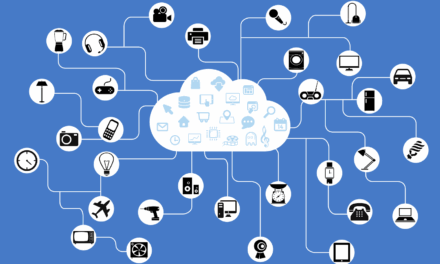
Integration With Field Devices And IoT
Connected tools and sensors help teams monitor conditions and quality without extra site visits. Moisture meters, thermal cameras, and drone imagery can feed into project files so supervisors see progress and risks at a glance.
With smart tags on materials and GPS on fleets, managers coordinate deliveries, prevent loss, and keep projects moving on schedule. When the weather shifts, sensors can push alerts so crews can reschedule safely.
Remote diagnostics cut downtime by telling techs which parts to bring before they roll. Start small with one pilot roof and a few devices, then scale once the workflow proves itself.
The Future of Roofing Technology
As technology continues to develop, the roofing industry will likely see even more innovations.
- The integration of augmented reality (AR) and virtual reality (VR) stands at the forefront of this transformation.
- Roofing companies can utilize AR to provide customers with visualizations of their projects before they begin, allowing for more customization and satisfaction with the final product.
- VR can enhance training programs for workers, offering immersive learning experiences without the risks associated with on-the-job training.
- Advancements in artificial intelligence (AI) will play a significant role in the roofing industry.
AI-powered tools can analyze data from past roofing projects, helping companies predict trends, optimize materials usage, and improve customer service. As technology continues to advance, the roofing industry must adapt to remain competitive and meet the demand for innovative solutions.
By leveraging these technological advancements, roofing companies are better equipped to serve their clientele, streamline their operations, and expand their business potential. The incorporation of technology into everyday practices will likely determine the future success and sustainability of roofing companies.