
















5 Portable Chargers Worth Buying in 2025
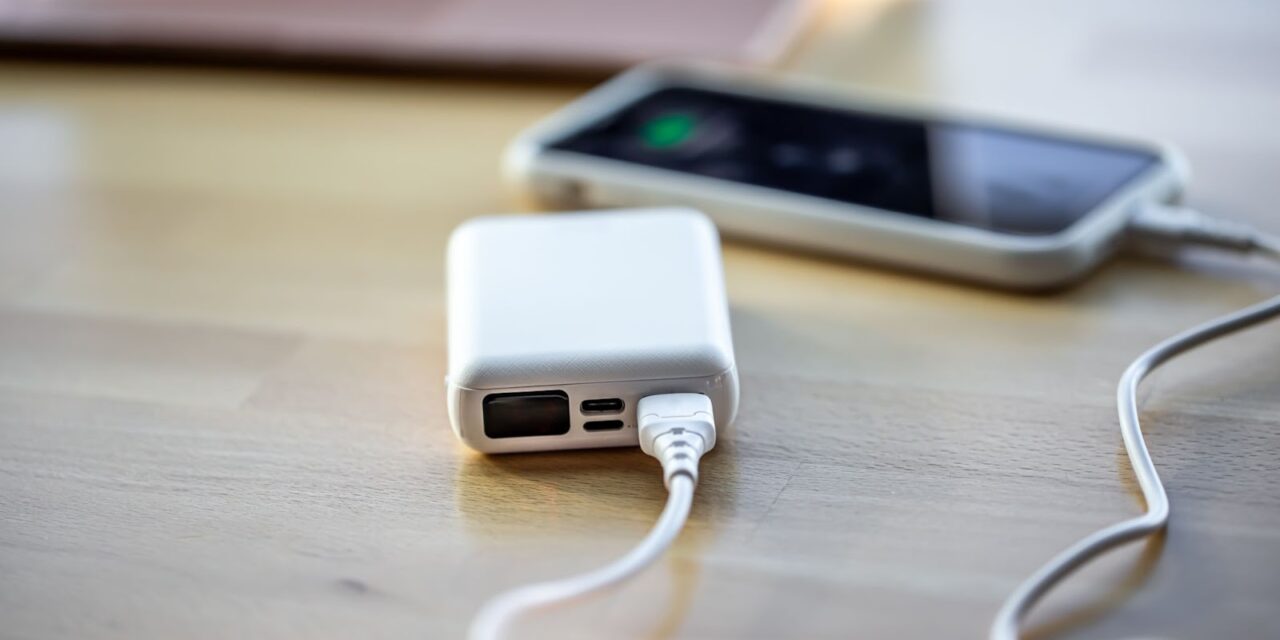
Your phone’s at 10% and you’re still an hour from home. Or you’re on an important call when that battery warning pops up. Everyone knows that moment of panic.
Phone batteries just can’t keep up anymore. Streaming videos eat through power. Social media runs constantly in the background. Mobile games drain batteries like nothing else. Casino apps that pay real money need steady power for those longer sessions. These apps have real cash prizes and jackpot games that they need to play and stay connected to see live results and allow payouts, so players can’t afford to run out of power in the middle of the game.
Most portable chargers solve the problem of having to charge your phone twice a day. They’re small enough to toss in a bag, and they keep your phone running when you need it most.
What actually matters in a portable charger
The measure of capacity is mAh (milliampere-hours). Most phones can get 2-3 whole charges on a 10,000mAh charger. A 20,000mAh version has 4-5 charges or more than one device. Pick based on how you’ll use it. Daily commute? 10,000mAh works fine. Traveling? Go for 20,000mAh or more.
Wattage tells you how fast it charges. You want at least 20-30W for phones. Lower than that and you’re stuck waiting. Laptop charging needs 65W minimum.
Most newer chargers use USB-C ports, which handle fast charging better. Some still have USB-A for older gear. A few models now include built-in cables so there’s one less thing to remember.
Higher capacity means bigger size. It is a simple matter of physics: the more battery cells the more space. A 5,000mAh battery can be put in your pocket. A 25,000mAh single seems like one is carrying a second phone.
Best portable chargers for different needs
1. Anker 733 Power Bank
Anker 733 Power Bank does double duty as a wall charger and battery pack. You can plug it into an outlet to charge your laptop and phone at 65W. Then unplug it and take the 10,000mAh battery with you, still getting 30W output. It runs about $90-100, but you’re replacing two devices with one.
2. INIU Pawsible
INIU Pawsible P41L-E2 costs just $25-30 and performs surprisingly well. This 10,000mAh charger has a built-in USB-C cable plus two extra ports. Testing showed it pushed an iPhone 16 past 50% in half an hour. That’s solid speed for this price.
3. Anker Prime
Anker Prime 27,650mAh is for people who need serious power. It holds enough juice to charge an iPhone 15 five times. MacBook Pro? No problem. The 250W total output means you can fast-charge several devices at once. It’s expensive at $150-180, but if you’re managing multiple devices daily, it makes sense.
4. Anker Nano Power Bank
Anker Nano Power Bank wins on size. It weighs 3.6 ounces and looks like a lipstick tube. The 5,000mAh capacity won’t fully charge bigger phones, but it’s perfect for topping up during the day. The USB-C connector folds out and plugs straight into your phone. $25-35 makes it an easy buy for everyday carry.
5. Nestout
Nestout 15,000mAh handles rough conditions. It’s waterproof to IP67 standards—you can drop it in water for 30 minutes and it’s fine. There’s a built-in LED light and a tripod mount for setting up your phone. Good for camping or kayaking trips. $60 is reasonable for something this durable.
Why your phone battery dies so fast and how to avoid common charger mistakes
Social media apps are battery killers. Instagram, TikTok, and Facebook refresh constantly, pre-load videos, and maintain server connections all day. Active use can drop your battery 3-10% every 10 minutes.
Gaming is worse. Games like PUBG Mobile or Call of Duty push your phone’s processor hard. The graphics processing burns power fast, plus there’s the online connection. A full charge might last 2-3 hours if you’re gaming heavily.
Batteries wear out too. After about 1,000 charges, the battery holds about 20% less power. If your phone’s over a year old, it’s already degraded. Research shows Americans check their phones 205 times every day. This puts daily usage at 4-5 hours, which is a lot to ask from an aging battery.
Buying the wrong capacity is the biggest mistake with portable chargers. People either go too small and run out of power, or buy a massive 25,000mAh brick they never want to carry. If you’re topping up once during the workday, 5,000-10,000mAh handles it. Multi-day trips need 20,000mAh or more.
Charging speed matters. A 5W charger works, but you’ll wait hours for a full charge. Spending a bit more for 20-30W makes a real difference when you need power quickly.
Check compatibility before buying. iPhones need specific power delivery standards. Laptops require 65W or higher, which rules out most compact chargers. Match the charger to what your devices actually need.
Getting the most from your power bank
Don’t let your charger sit empty for months. The battery slowly loses charge sitting there, and going completely dead damages it. Top it off every few months even if you haven’t used it.
Use decent cables. A cheap cable limits how much power can flow through, which means your fancy 30W charger acts like a 10W one. The cable that came with your phone usually works best.
Airlines limit power banks to 100 watt-hours in carry-on bags. That’s roughly 27,000mAh. They can’t go in checked luggage at all. Most chargers are smaller than this limit, but check before flying with high-capacity models.
The freedom to stay connected
Dead phone batteries used to mean real problems. Missing calls, losing directions, getting stranded. Portable chargers fixed that. Now you can afford to spend a whole day out, without the fear that your phone will run out.
Pick one which fits your phone usage habits- small when you only need to top-up often, large when you need to use it extensively. Your phone does not go dead, and, therefore, you keep in touch with anything that is most important.