








Can Blockchain Fix Game Item Duplication Forever?
Video games have long faced a persistent threat: item duplication. Players invest months earning a legendary weapon or skin, only to see its worth collapse when hackers replicate it. From EverQuest’s early exploits to Fortnite’s rare skin breaches, duplication distorts virtual economies, weakens trust, and dulls the satisfaction of achievement. Developers patch vulnerabilities and issue bans, yet the damage endures. Undermining loyalty and revenue in an industry worth more than a trillion dollars.
Blockchain, built on decentralised and tamper-resistant technology, may finally offer a way forward. By transforming digital assets into verified, unique items, it promises to protect virtual economies and restore fairness. The question is whether it can end duplication for good or whether new challenges will pop up along the way.
Understanding the Duplication Crisis
In many online games, player items exist on central servers as database entries. These systems, while convenient, remain exposed to exploits, lag, or coding errors. A single vulnerability can let hackers duplicate rare gear, flooding markets and collapsing value.
History shows the damage this can cause. In 2004, World of Warcraft’s “Nerf Bat” glitch spawned limitless shadow damage weapons, forcing Blizzard to delete trillions of gold to rebalance the economy. In 2022, Valorant faced a similar issue when a skin replication bug spread rapidly, prompting emergency fixes and community backlash.
Beyond numbers, duplication undermines motivation. Rarity fuels engagement, and when exclusivity disappears, so does the sense of progress. Anti-cheat tools such as Easy Anti-Cheat combat offenders but remain reactive, chasing exploits that often return under new disguises.
Blockchain offers a preventative alternative. Platforms such as those listed in coinfutures.io show how transparency and verifiable ownership can reshape digital trading. Just as their real-time crypto simulations use live charts, adjustable multipliers, and stop-loss strategies to reward informed decision-making. Blockchain gaming can transform every virtual item into a single, trackable asset by applying the same principles of traceability and rule-based authenticity. Closing the loopholes that duplication thrives on.
Blockchain’s Shield Against Cloning
Blockchain secures data through cryptographic hashes and distributed consensus. Each block links to the next, forming a permanent, verifiable record. Altering one entry would require rewriting the entire chain across thousands of computers. Almost impossible.
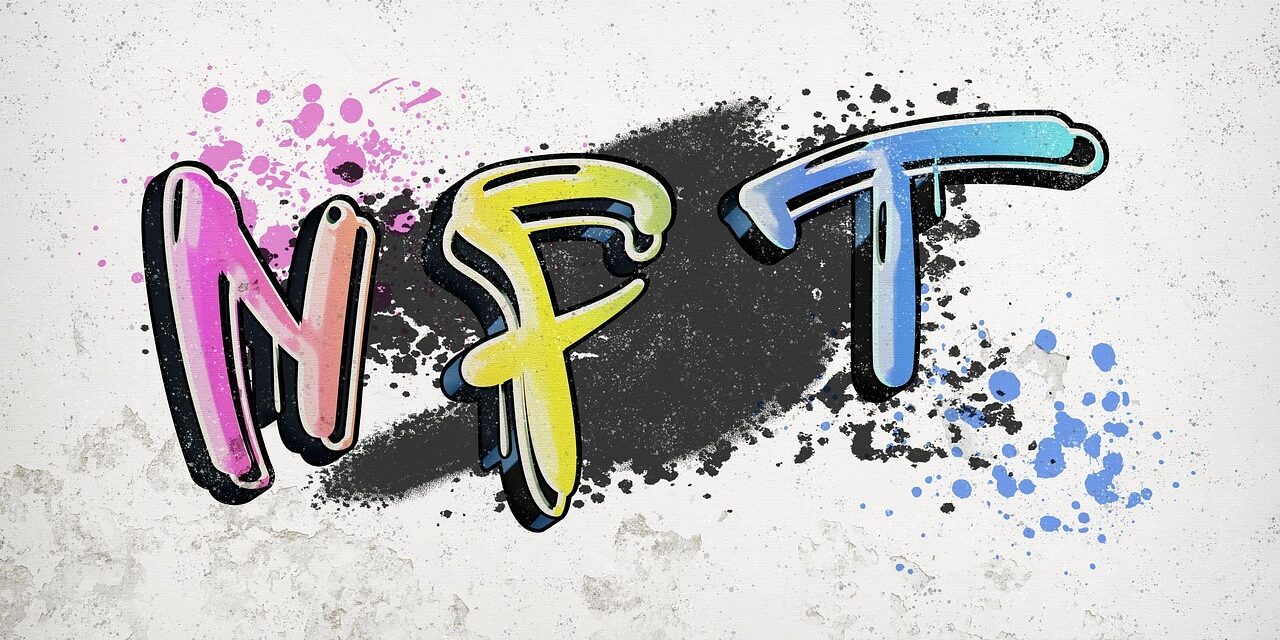
In gaming, this takes the form of non-fungible tokens (NFTs). Every digital sword, spacecraft, or cosmetic skin carries metadata proving its uniqueness, and attempts to replicate or alter an item without permission are rejected. The result? A transparent economy where rarity remains genuine.
The system supports interoperability; a blockchain-verified sword from one title can be traded or showcased in another without duplication risks, its full transaction history visible. Verified ownership strengthens player confidence and market stability.
Concerns about scalability and environmental impact are easing. Ethereum’s 2022 switch to proof-of-stake cut energy use by over 99 per cent, while solutions like Polygon process transactions faster and cheaper, making blockchain practical for real-time gameplay.
Proven Use Cases in Secure Gaming
Several projects highlight blockchain’s resilience against duplication. CryptoKitties, launched in 2017, pioneered NFT-based collectibles. Each cat carries unique genetic data on Ethereum, and despite millions of trades, no verified duplicates have appeared.
Gods Unchained mints every card as an NFT, verified on-chain. During its 2019 beta, unauthorised minting attempts failed, preserving fairness and rarity and giving players confidence that decks reflected genuine effort.
Axie Infinity uses immutable genetic markers for each creature. A 2021 wallet breach compromised keys but left core blockchain records intact, demonstrating ledger resilience even during crises.
In the UK, the EY / Microsoft Xbox blockchain initiative applied distributed ledgers to automate royalty payments and verify digital contracts. Though focused on licensing rather than in-game items, its tamper-resistant design illustrates how blockchain can uphold transparency and trust. Principles directly relevant to secure item ownership in gaming.
Economic and Social Consequences
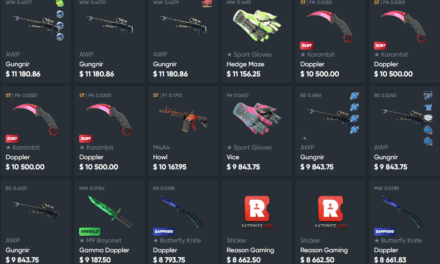
Blockchain does more than secure assets. It reshapes entire gaming economies. Rare virtual items can command significant real-world value when their authenticity is guaranteed. A single CryptoKitty sold for roughly £130,000 in 2023, reflecting the market potential of provable scarcity.
Oversupply is prevented and genuine participation rewarded as traceability stabilises economies. Players gain confidence in their investments, while developers benefit from sustainable marketplaces. Transparency also deters fraud, as every transaction can be verified publicly.
Communities thrive in this environment. Player-run marketplaces, such as those within Axie Infinity, demonstrate how peer-to-peer trading can succeed when each NFT’s history is visible. Developers retain control over item creation but no longer act as sole gatekeepers. Encouraging autonomy and trust among players.
Blockchain integration also fuels creativity. Developers can design cross-game collaborations. Allowing items to function as digital passports between worlds. A verified sword might unlock a reward in another title, extending engagement without undermining balance or rarity.
Barriers Still Standing
Blockchain still faces several hurdles before it can underpin mainstream gaming. Network congestion is one of them, particularly in multiplayer titles that process thousands of transactions at once. High-speed infrastructures, such as Solana’s, show potential, yet large-scale testing across AAA games remains scarce.
Regulation adds complexity. The European Union’s MiCA (Markets in Crypto-Assets) framework, effective from 2024, strengthens transparency and consumer protection but also heightens compliance demands for developers. In the United States, uncertainty over whether gaming tokens qualify as securities continues to slow progress, though most function as utility assets rather than investments.
Accessibility is another issue. Many players find crypto wallets intimidating or awkward to use. Tools such as Immutable X’s gas-free minting ease onboarding, but broader education and user-friendly design are key to making blockchain feel as simple as traditional logins.
Security must progress, too. While blockchain eliminates duplication, stolen private keys can still lock players out of their assets. Developers are exploring recovery systems, multi-signature wallets, or secure re-authentication to balance safety with decentralisation.
The Future of Fair Play
The next generation of games may merge blockchain transparency with the accessibility of existing platforms. Developers could add NFT-backed cosmetics or tradeable collectibles while keeping gameplay server-based for stability and fairness. Early ventures, including Ubisoft’s 2021 Ghost Recon NFT pilot, drew criticism, yet future projects that prioritise choice and usability are likely to gain acceptance.
New gaming-focused blockchains like Flow are being purpose-built for entertainment, offering the speed and scalability that large, player-driven worlds demand. At the same time, oracles can link real-world data to in-game events, making it possible for AI-generated or procedurally created items to remain truly one of a kind. As cross-chain bridges evolve, players could one day move verified items freely between games. Helping to build richer, more connected digital worlds.
Final Thoughts
Blockchain gives developers a realistic way to halt item duplication for good. The value and authenticity of virtual assets are protected by keeping every transaction transparent and permanently recorded, which traditional systems still struggle to guarantee.
From scalability and regulation to tech ease of use, hurdles remain. Yet constant progress shows how close gaming is to real, secure ownership. Players want worlds where rarity means something again, where hard work isn’t undermined by exploits. With blockchain, that future feels within reach. A foundation built on lasting trust, traceability, and genuine achievement.