










From Fiat to Crypto: Your First Bitcoin Purchase Explained
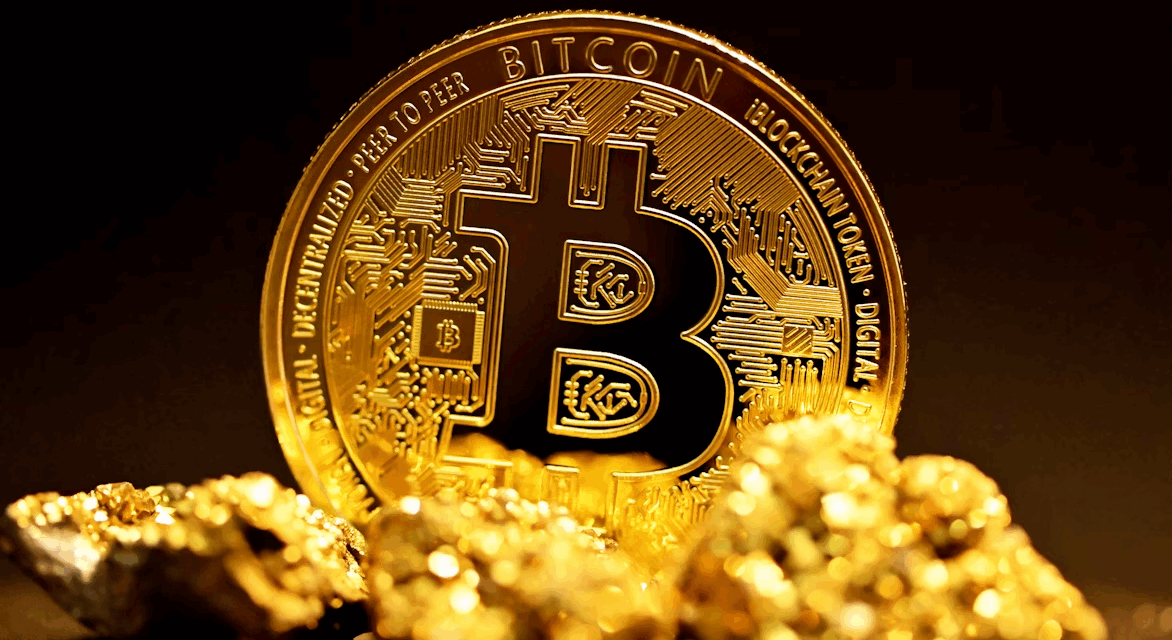
Buying Bitcoin for the first time feels like stepping into unknown territory. You’ve heard about crypto, you know people are making (and losing) money, and you’re ready to dip your toes in. The good news? It’s way simpler than you think.
The process has gotten streamlined over the years. What used to require technical knowledge and sketchy exchanges is now pretty straightforward. Let’s walk through exactly what happens when you turn your regular money into Bitcoin.
Understanding What You’re Actually Buying
Bitcoin isn’t physical. You won’t get a coin in the mail. You’re buying digital property that exists on a distributed ledger called the blockchain. Think of it like owning a piece of code that has value because millions of people agree it does.
Here’s something that surprises people: you don’t need to buy a whole Bitcoin. At current prices, one Bitcoin costs tens of thousands of dollars. But Bitcoin is divisible down to eight decimal places. The smallest unit (0.00000001 BTC) is called a satoshi. You can start with $20 if you want.
Choosing Where to Buy
There are tons of places to buy Bitcoin now. Big centralized exchanges like Coinbase and Kraken are popular. There are also direct purchase platforms, peer-to-peer marketplaces, and even Bitcoin ATMs.
For your first purchase, stick with established platforms that have good reputations and clear fee structures. Check reviews and make sure they operate legally in your country. Some platforms charge 1-2% fees, others charge more. Payment methods vary too. Credit cards are instant but expensive, while bank transfers are cheaper but slower.
Setting Up Your Account
Every legitimate platform requires identity verification. This is called KYC (Know Your Customer), and it’s not optional. You’ll need to upload a photo of your driver’s license or passport, sometimes a selfie, and proof of address.
People complain about this, but it’s actually protecting you. Regulations require exchanges to verify users to prevent fraud and money laundering. Verification usually takes anywhere from a few minutes to a couple of days depending on the platform and how backed up they are.
Connecting Your Payment Method
Once verified, you’ll link a payment method. Credit and debit cards work instantly but come with higher fees (often 3-4%). Bank transfers are cheaper (sometimes under 1%) but take a few business days to clear.
Most platforms have daily or weekly limits for new users. You might only be able to buy $500 worth your first week. These limits increase as you build history. It’s annoying but it’s another security measure to protect both you and the platform from fraud.
Making Your First Purchase
The actual buying process is straightforward. You enter how much you want to spend, the platform shows you how much Bitcoin you’ll get after fees, and you confirm. Platforms like MoonPay make it easy to buy Bitcoin with just a few clicks using your preferred payment method.
Some people debate whether to buy all at once or use dollar-cost averaging (buying smaller amounts regularly). If you’re nervous about timing the market, spreading purchases over weeks or months reduces the risk of buying right before a crash. But if you’re confident and have done your research, there’s nothing wrong with jumping in.
Understanding Where Your Bitcoin Goes
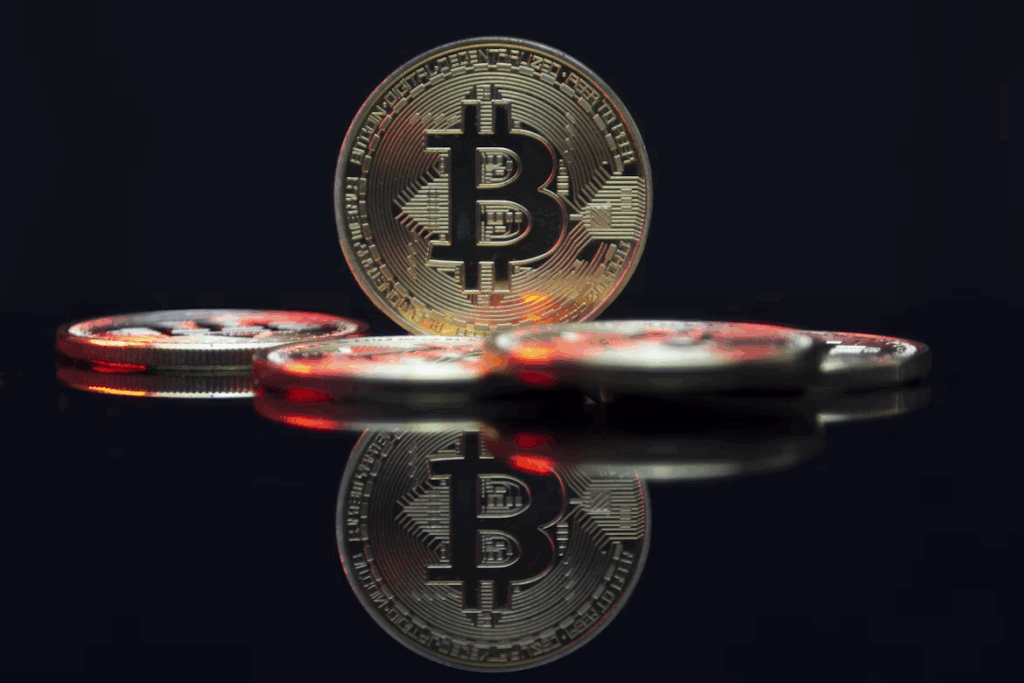
After purchase, your Bitcoin sits in a wallet provided by the exchange. This is called a custodial wallet because the exchange controls the private keys. It’s convenient but it means you’re trusting them with your Bitcoin.
There’s a saying in crypto: “not your keys, not your coins.” If the exchange gets hacked or goes bankrupt, you could lose everything. For small amounts, keeping Bitcoin on the exchange is probably fine. But if you’re holding significant value, consider moving it to a personal wallet where you control the keys.
Hardware wallets like Ledger or Trezor are the safest option. Software wallets on your phone are more convenient. Both give you full control but also full responsibility. Lose your keys and your Bitcoin is gone forever.
What Happens After You Buy
Expect volatility. Bitcoin can swing 5-10% in a day and that’s normal. Your $100 purchase might be worth $95 tomorrow and $110 next week. If watching these swings stresses you out, stop checking the price constantly.
Your Bitcoin balance updates in real time. You can send it to other wallets, trade it for other cryptocurrencies, or just hold it. Many first-timers buy and then panic sell during the first dip. Avoid making emotional decisions based on short-term price movements.
Common First-Timer Mistakes to Avoid
Don’t buy during media hype cycles when everyone’s talking about Bitcoin hitting new highs. That’s usually when you’re buying near a peak. Don’t ignore basic security like using two-factor authentication on your exchange account. And don’t invest money you can’t afford to lose.
Panic selling is the biggest mistake. Bitcoin has crashed 80% multiple times in its history and recovered every time. If you believe in the long-term value, short-term dips shouldn’t shake you out.
Taking the First Step
Your first Bitcoin purchase is mostly about learning. The amount doesn’t matter as much as understanding the process and getting comfortable with how crypto works. Start small, figure out the basics, and build from there. Everyone in crypto made a first purchase at some point. Yours is just the beginning.