














The Tech Keeping Your Business Premises Safe
If you run a business, then it is really important you do everything you can to protect your business from your assets to your data to your premises. These days, doing that is not always as easy as it may seem. Gone are the days when simply having a keycard for entry and a few security cameras is all it takes to keep your business’s workspaces safe. Today, you need to be smart and you need to use all of the latest tech to keep you and your staff, not to mention your stuff, safe.
With crime evolving and threats becoming more complex, businesses of all sizes are investing in advanced security technologies that do more than deter intruders, they actively detect, respond, and prevent security issues before they escalate. From video surveillance and smart analytics to license plate recognition and access control systems, the right combination of technologies provides peace of mind and a safer working environment.
Below, we’ll take a closer look at the most impactful technologies currently safeguarding business properties and how they might work together to keep your company safe.
1. Video Surveillance: The Foundation of Physical Security
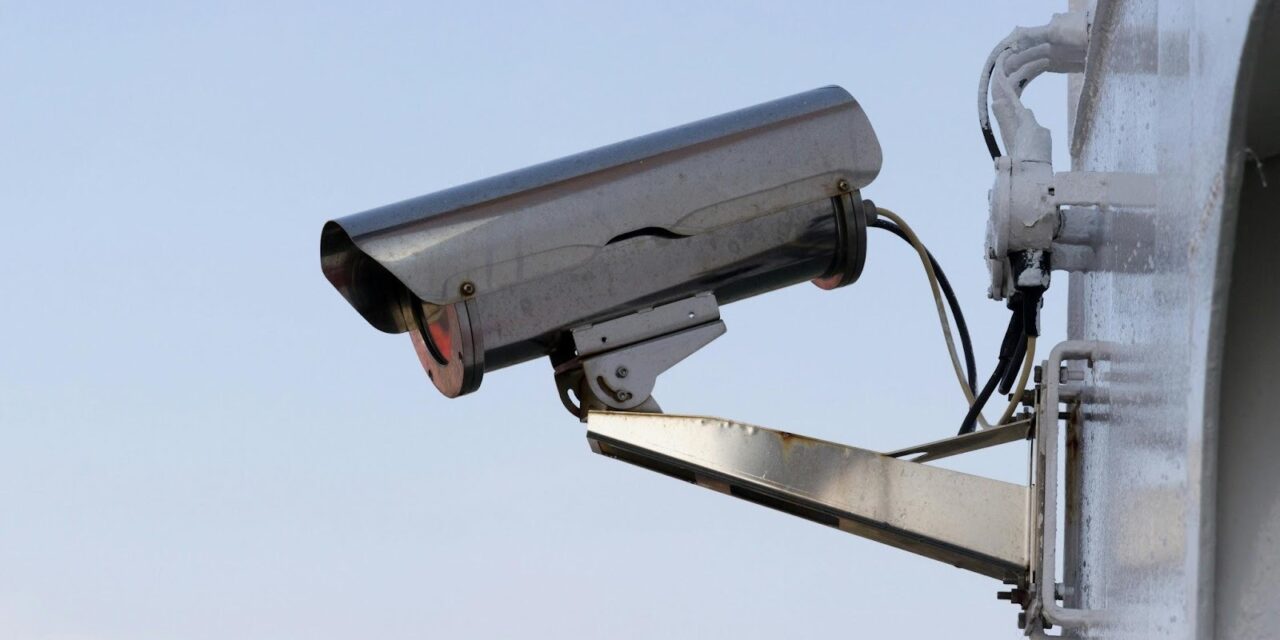
Video surveillance, commonly referred to as CCTV, remains the cornerstone of modern business security. These systems use cameras to continuously monitor your premises, recording footage that can be reviewed either in real time or after an incident occurs. Modern systems now include features like:
- High-definition video that captures clear footage day and night
- Motion detection alerts that notify you when unexpected movement occurs
- Remote monitoring via mobile apps so you can check in from anywhere
Smart surveillance systems go beyond traditional “watch and record” setups. They use AI to analyze video feeds and identify unusual behavior. For example, advanced systems can alert security personnel if someone moves in a restricted area after hours, or if a package is left unattended.
2. Access Control Systems: Who Can Get In and When
While video cameras show you what’s happening, access control systems determine who is allowed to enter specific areas of your business. These systems may include:
- Keycard or fob entry systems
- Biometric scanners (like fingerprint or facial recognition)
- Mobile app-based access credentials
These smart systems give you granular control over doors and gates. You can assign varying levels of access to employees, contractors, and visitors, and revoke permissions instantly if needed. Moreover, access control logs help you track movement across your premises, giving you a detailed audit trail in case of an incident.
3. Alarm Systems and Sensor Networks: Real-Time Alerts
Alarms and sensor networks provide another layer of security by identifying breaches the moment they happen. These can include:
- Door/window contact sensors
- Glass-break detectors
- Motion sensors
- Environmental alerts (like smoke, heat, or water detection)
When triggered, these systems can immediately send alerts to business owners, on-site security teams, or even local authorities, depending on your configuration. By acting as your first line of defense, alarm systems help ensure a rapid response, potentially stopping threats before significant damage occurs.
4. Smart Analytics and AI: Predictive Protection
Artificial intelligence is revolutionizing the way we interpret security data. Rather than relying solely on human monitoring, modern systems analyze patterns and behavior across your camera feeds and sensor networks to detect anomalies or threats.
For example:
- AI-powered cameras can distinguish between a stray animal and a human intruder
- Behavior analytics can flag lingering individuals in restricted zones
- Integration with access control logs can detect unauthorized access at unusual hours
These tools reduce the chances of false alarms and allow your security team to focus on real threats, improving both efficiency and safety.
5. License Plate Recognition: The Power of ALPR Technology
One standout tool that is often overlooked by businesses who are looking to beef up their premises security is the ALPR camera, short for Automatic License Plate Recognition systems. A prominent example is the ALPR technology offered by Genetec, such as the AutoVu™ system, which helps businesses manage and secure vehicle access intelligently.
Here’s how this technology supports business security:
Vehicle Monitoring and Access Control
ALPR cameras automatically capture and decode license plates as vehicles enter and exit your property. This automated process means that you don’t have to manually check permits or fuss with gate attendants. Instead, the system can compare plates against approved or banned lists, instantly granting or denying access as needed.
Real-Time Alerts and Investigations
If a vehicle associated with a security issue, like theft or vandalism, returns to your property, ALPR systems can alert your security team immediately. This capability enhances situational awareness and enables faster responses to suspicious activity.
Operational Insights
Beyond security, ALPR technology can provide valuable operational data, such as parking usage trends and peak entry times. Unifying this data with your security platform enhances both safety and operational efficiency.
In short, ALPR is more than a camera; it’s an intelligent layer of security that supports broader surveillance, access control, and business operations from gates to parking lots.
6. Unified Security Platforms: The Big Picture Approach
Rather than managing each technology in isolation, many businesses now adopt unified security platforms. These systems integrate video surveillance, access control, alarm systems, and analytics into a central dashboard.
Key benefits include:
- Centralized alerts and response coordination
- Cross-system automation (e.g., a forced entry triggers cameras and locks)
- Comprehensive audit logs for compliance and investigations
By connecting all your security technologies, you eliminate blind spots and streamline how your team monitors and reacts to incidents.
7. Integration with Cloud and Mobile Technology
Cloud-based security platforms extend your protection beyond physical servers at your business location. They enable:
- Remote monitoring and system management
- Scalable storage for video and logs
- Mobile notifications and real-time alerts
This flexibility is especially useful for businesses with multiple locations or remote management needs, allowing you to stay in control without being tied to a specific place.
With the right tech, you almost never have to worry at all about your business premises and how safe they are, so be sure to invest in the seven technologies above if you want peace of mind.