















Micron achieves major milestone with mass production of HBM4, SOCAMM2 and PCIe Gen 6 SSDs
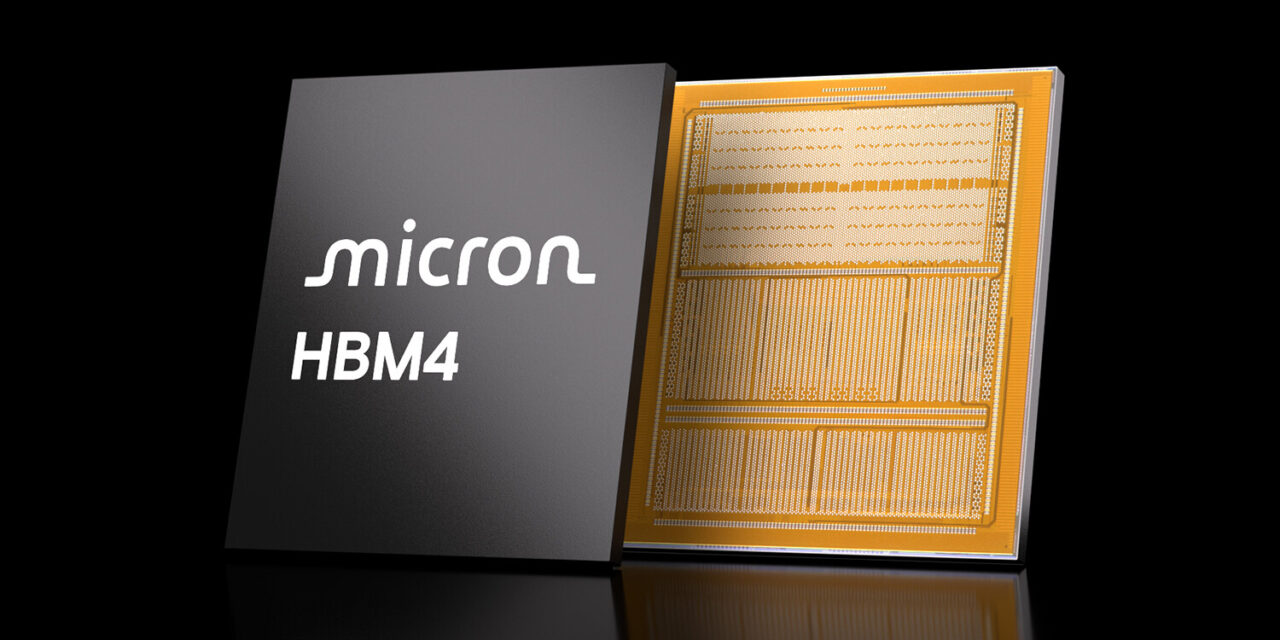
Micron has shared big news at NVIDIA GTC 2026, where the company confirmed that it has started mass production of three important products at the same time. These include HBM4 memory, SOCAMM2 memory modules, and PCIe Gen 6 SSDs. All three are designed to support next-generation AI systems, especially the upcoming Vera Rubin platform.
The most important highlight is the new HBM4 memory. Micron has already started shipping its 36 GB 12-layer stack in large numbers from early 2026. This memory is built for high-end AI work and offers very fast speeds. It can reach over 11 Gb/s pin speed and deliver more than 2.8 TB/s bandwidth. This is more than double the performance of the previous HBM3E memory. At the same time, it also improves power efficiency by over 20%, which is very useful for large data centres.

Micron is also working on an even bigger version of HBM4. The company has sent early samples of a 16-layer 48 GB model to customers. This version offers 33% more capacity compared to the 12-layer model, helping systems handle even larger AI workloads.
Alongside HBM4, Micron has started high-volume production of its SOCAMM2 memory modules. These modules are designed for Vera Rubin NVL72 systems and standalone CPU platforms. They can support up to 2 TB of memory per CPU and deliver up to 1.2 TB/s bandwidth. The full SOCAMM2 lineup ranges from 48 GB to 256 GB, giving flexibility for different types of systems.
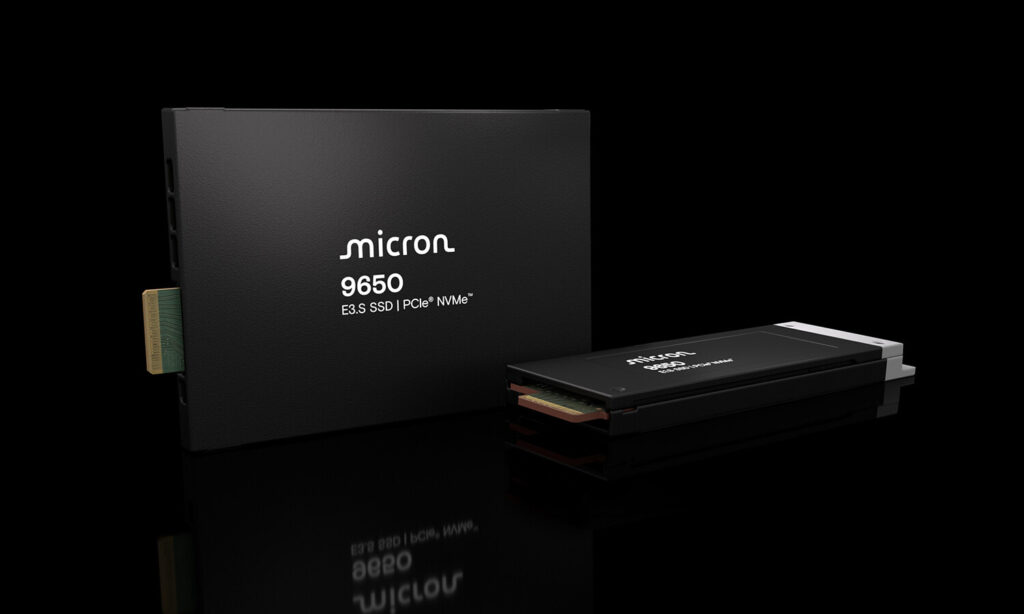
On the storage side, Micron’s new PCIe Gen 6 SSD, called the 9650, is also now in mass production. This SSD is built for advanced data centre use and is designed to work with NVIDIA BlueField-4 systems. It offers very fast performance, with read speeds up to 28 GB/s and up to 5.5 million random read IOPS. This is nearly twice the performance of PCIe Gen 5 SSDs. It also delivers much better efficiency, offering double the performance per watt.
With all these products entering mass production together, Micron is clearly aiming to support the growing demand for AI and data-heavy workloads. These new solutions bring faster speed, higher capacity, and better efficiency, which are all important for future computing needs.