
















The Psychology of Luck That Keeps Us Playing
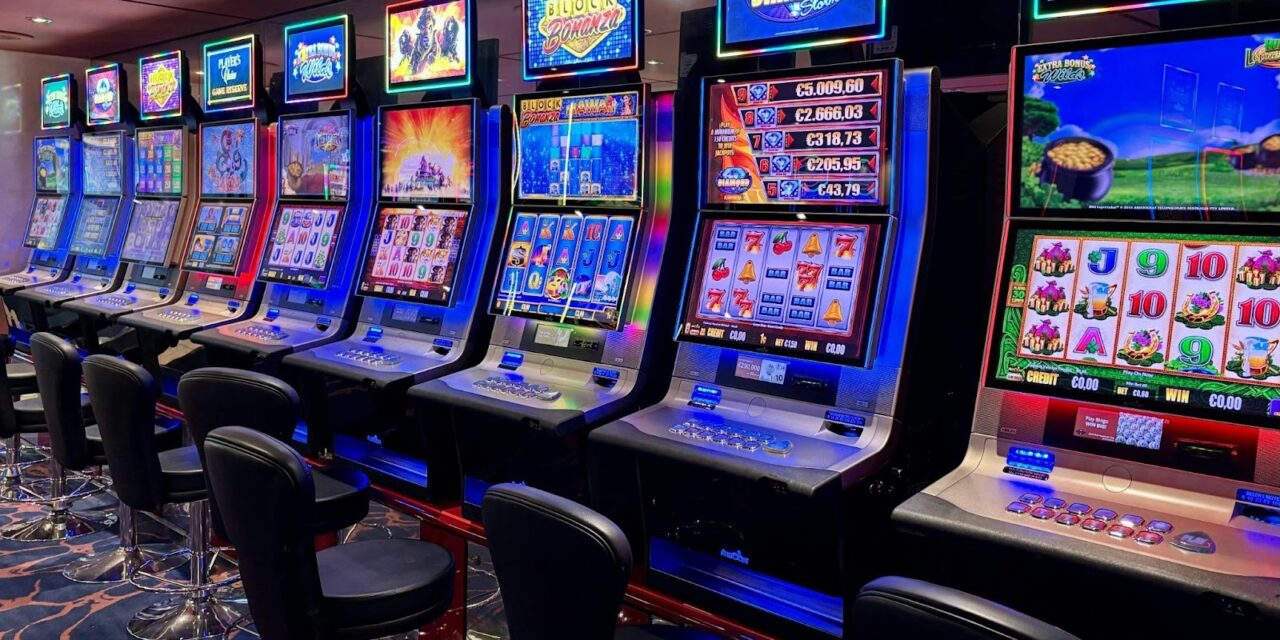
Luck is one of humanity’s oldest obsessions. People have tried to understand and control it. In online gaming, luck is now engineered. Behavioral scientists, platform developers, and game designers collaborate to discover why we stay, play, and return. From high RTP slot mechanics to near miss psychology, understanding how luck is built is something each of us should know before we play.
Why Our Brains Are Wired For The Chase
The payout is not the reason why we are drawn to gambling. The answer is anticipation. Neuroscience research consistently shows that the brain releases dopamine not at the moment of reward, but while we are waiting for it. The brain cannot reliably distinguish between almost winning and actually winning. When two symbols line up, but the third just misses, our brain doesn’t view this as a loss. It registers the moment as almost winning. Before exploring how deep that psychological pull goes, it helps to understand one of the few mechanics that actually works in the player’s favour.
High RTP Slots and What They Actually Signal
Psychology and mathematics rarely work in the player’s favour at the same time. High RTP slots are one of the exceptions. The slots with a return rate of 96% or above do not change the randomness of individual sessions. But they do improve your statistical position over time, and more importantly, they signal something about the platform offering them.
Casinos that feature and promote high RTP slots are making a transparent choice. They are giving players a meaningful number to compare. That is rare in an industry that often profits from confusion. When you seek out these games, you are doing something that cuts through psychological noise entirely. You are using data instead of feeling. That is the shift that matters, from chasing luck to evaluating mechanics. It’s worth checking out sites like CasinoCrest for exactly that, honest breakdowns of how slots and platforms actually work.
The Science Behind the Spin
Source: https://www.pexels.com/photo/interior-of-a-casino-24643920/
The near miss effect has been extensively studied in gambling psychology. A team at the University of Cambridge confirmed it activates the brain’s reward system, motivating players to continue playing. Game developers, aware of this, have long incorporated near miss mechanics into slot design to deliver near misses at a higher than random rate. The result is a game that always feels one spin away from paying off.
Cognitive Biases That Fuel the Feeling of Control
One of the brain’s greatest strengths is pattern recognition. In everyday life, connecting dots can help us navigate a complex world. At the reels, that same instinct works against us, convincing us that a win must be practically guaranteed.
This tendency produces two cognitive traps. The first one is the illusion of control, a belief that a player’s actions, like adjusting bet size, influence random outcomes. In reality, each spin, roll, or draw is completely independent.
The second one is the gambler’s fallacy, which leads players to believe that after a long losing streak, a win is certain. Both techniques come from the same human instinct: the desire to feel in control even when we’re not. Awareness alone is not enough. The most effective counter is information, and that starts with understanding what high RTP actually means for your long-term odds, especially in jackpot slots.
How Technology Amplifies Psychological Triggers
Modern online platforms have turned behavioural psychology into a design discipline. The celebratory graphics, even on small sounds that play when you win, are not accidental; they are designed to associate play with positive feedback, regardless of what your balance actually shows.
Another example of a transparent design choice is the autoplay feature. By removing the conscious decision to spin, they reduce the moment of doubt that might cause a player to disengage. Variable reward schedules, where payouts come at unpredictable intervals rather than fixed ones are borrowed directly from behavioral conditioning research. This is the same mechanism behind social media notifications. Unpredictability sustains engagement more than any fixed reward ever could.
Playing Smart in a System Built to Keep You In
Awareness does not make you immune to psychological triggers, but it does give you tools. Recognising a near miss as a loss, not a signal, is a small but significant mental reframe. Understanding that your last ten spins have no bearing on the next one cuts the gambler’s fallacy off at the root. And choosing games based on verified mechanics, rather than how aggressively they animate a near miss, puts you back in control of your own session.
Responsible gambling tools like session timers, deposit limits and reality checks exist precisely because the platforms know how powerful these psychological loops are. Using them is what informed play looks like. The psychology of luck is real, well-documented, and working on you every session, but inside a game, your best move is to treat luck as mathematics and play accordingly.