













LED Light Therapy Machine: How the Technology Works and What to Look For

The world of technology continues to evolve at pace, and LED light therapy machines are one of the more unexpected beneficiaries. What was once confined to clinical dermatology rooms has moved into homes, wellness studios, and beauty clinics across the world. StreamShop Australia has been at the forefront of this shift, offering professional-grade led light therapy machines built to verified clinical specifications for both home users and practitioners. The research backing the technology is substantial, the risk profile is low, and the results across skin health and recovery applications are well documented.
This article breaks down how LED light therapy machines work, what the clinical evidence says, and what separates a quality device from a cheap imitation.
How LED Light Therapy Works
LED light therapy, formally known as photobiomodulation, uses specific wavelengths of light to stimulate biological activity at the cellular level. When light is absorbed by the skin and underlying tissue, it interacts with photoreceptors in cells including mitochondria, triggering a cascade of responses such as increased ATP production, enhanced collagen synthesis, reduced inflammation, and improved circulation.
Different wavelengths target different tissue depths and biological processes. Blue light in the 400nm to 470nm range works at the surface level and is primarily used for acne treatment through its antibacterial effect. Red light in the 630nm to 760nm range penetrates deeper, promoting collagen production, scar healing, and skin rejuvenation. Near-infrared light from 760nm upward reaches muscle tissue and joints, making it the wavelength of choice for pain relief, recovery, and deeper therapeutic applications.
A 2025 review published in Photodermatology, Photoimmunology and Photomedicine confirmed that LED therapy activates specific skin photoreceptors and induces beneficial cellular changes including proliferation, differentiation, collagen synthesis, and modulation of inflammation across multiple wavelengths. The review covered blue, yellow, red, and near-infrared applications, reinforcing the versatility of the technology across different treatment goals.
What the Clinical Research Shows
The evidence base for LED light therapy has grown considerably over the past decade. Clinical trials have examined its efficacy across a wide range of applications including anti-aging, acne treatment, wound healing, and pain management.
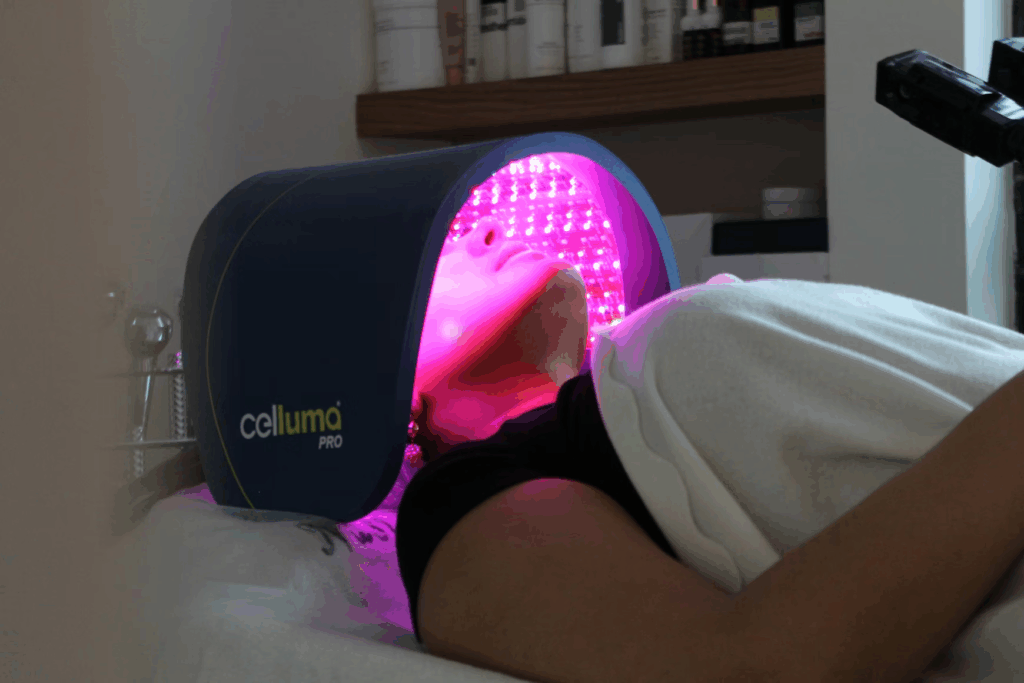
A 2025 multi-centre randomised double-blind clinical trial published in Medicine evaluated the efficacy and safety of home-used LED and near-infrared devices for skin rejuvenation, finding statistically significant improvements in the treatment group compared to the sham device control. The study used a combination of 630nm LED and 850nm near-infrared, the same wavelength pairing found in most quality professional and home devices available today.
Across the broader literature, consistent findings include improved skin texture and tone with regular use, reduced inflammatory markers, accelerated tissue repair, and measurable increases in collagen density over treatment periods of several weeks.
Professional Grade vs Consumer Devices
Not all LED light therapy machines deliver the same results. The market ranges from low-power handheld units to full professional systems used in clinical and aesthetic settings, and the differences matter significantly for outcomes.
The key variable is irradiance, the power output delivered to the tissue measured in milliwatts per square centimetre. A device with low irradiance requires much longer session times to deliver a clinically relevant dose. Professional grade devices are designed to deliver therapeutic irradiance levels efficiently, reducing session time while maintaining efficacy.
Wavelength accuracy is equally important. Budget devices often claim therapeutic wavelengths without independent verification. Quality devices specify their wavelength output clearly and back those specifications with certification data. Certifications such as ISO13485, which is a medical device quality management standard, CE, and FCC provide meaningful assurance that a device has been manufactured and tested to a recognised standard.
StreamShop Australia’s range of LED facial devices is built to these standards, offering professional-grade irradiance, verified wavelength output, and certifications that reflect genuine manufacturing rigour rather than self-declared claims.
LED Light Therapy and the Gaming Community
Serious gamers and esports athletes face their own version of physical strain. Extended sessions at a desk create the same postural stress and repetitive strain issues seen in office workers, while competitive play adds a layer of mental fatigue that compounds over time. Recovery tools that improve sleep quality and reduce inflammation have clear relevance for anyone wanting to perform consistently across long sessions.
The parallels between physical and digital performance are well understood in the esports world. Just as security in digital gaming has become a serious infrastructure concern for competitive platforms, the physical infrastructure of the player matters too. Sleep, recovery, and inflammation management are increasingly recognised as performance variables rather than afterthoughts. LED light therapy addresses all three within a single, time-efficient daily routine that fits around even the most demanding gaming schedule.
Choosing the Right Device
When evaluating an LED light therapy machine, the following factors are worth prioritising. Irradiance at the treatment distance matters more than peak surface output. Wavelength range determines which treatment goals the device can address. Build quality and certification determine longevity and safety. And device format, whether a panel, mask, or handheld unit, determines which treatment areas can be effectively covered.
For skin-focused applications, a combination of red and near-infrared wavelengths in a mask or panel format provides the broadest coverage of clinically supported use cases. For body recovery and pain applications, larger panels or mats with near-infrared output extending into the higher wavelength ranges deliver the penetration depth needed to reach muscle and joint tissue.
Final Thoughts
LED light therapy machines are not a wellness trend. They are a well-researched technology with a growing clinical evidence base and a clear mechanism of action. For consumers and practitioners alike, understanding the specifications that drive outcomes makes the difference between a device that delivers results and one that simply looks the part.
StreamShop Australia offers a curated range of LED light therapy machines designed for both home users and professional settings, with verified specifications and certifications to match.