















Custom Software Development for Startups: From MVP to Scalable Product
Custom software development for startups from MVP to scalable product is about turning a raw business idea into a market ready, high growth digital product. In the United States, founders now move from a whiteboard sketch to a SaaS platform or mobile app in months, not years, because speed, risk reduction, and iteration decide who reaches product market fit first.
SoftDoes helps founders and scale ups move from MVP development to full scale products across finance, healthcare, education, e-commerce, and energy. Custom software development services beat off the shelf tools when differentiation, compliance, intellectual property control, and faster time to market matter. This is especially true for YC style startups validating in three to six months, scale ups modernizing legacy stacks, and non technical founders who need a dedicated team. When considering what are the best software development tools, startups should prioritize those that enable rapid prototyping, seamless collaboration, and scalable architecture to streamline operations effectively.
Designing an MVP that can actually scale later
SoftDoes approaches MVP architecture with one goal: ship quickly without creating a rebuild trap after the seed round. When providing custom software development via https://softdoes.com/, the team remains committed to a core standard: “Our mission is to engineer high performing digital solutions that scale natively and stay reliable under real world load.”
That means choosing a tech stack that supports the roadmap, not just the first sprint. Full stack development should combine a maintainable backend, responsive frontend, secure APIs, and cloud solutions that can grow with user demand. Cloud services enable businesses to create scalable connected environments that support flexible workplace models, allowing for efficient resource management and adaptability to changing demands.
Cloud computing provides the flexibility to scale resources up or down based on project requirements, which is particularly beneficial for startups and businesses experiencing rapid growth. Utilizing cloud services can significantly reduce operational costs by eliminating the need for extensive on premises infrastructure and allowing businesses to pay only for the resources they use. Implementing auto scaling allows cloud infrastructure to automatically adjust resources during traffic spikes.
Core stages: from discovery to scalable launch
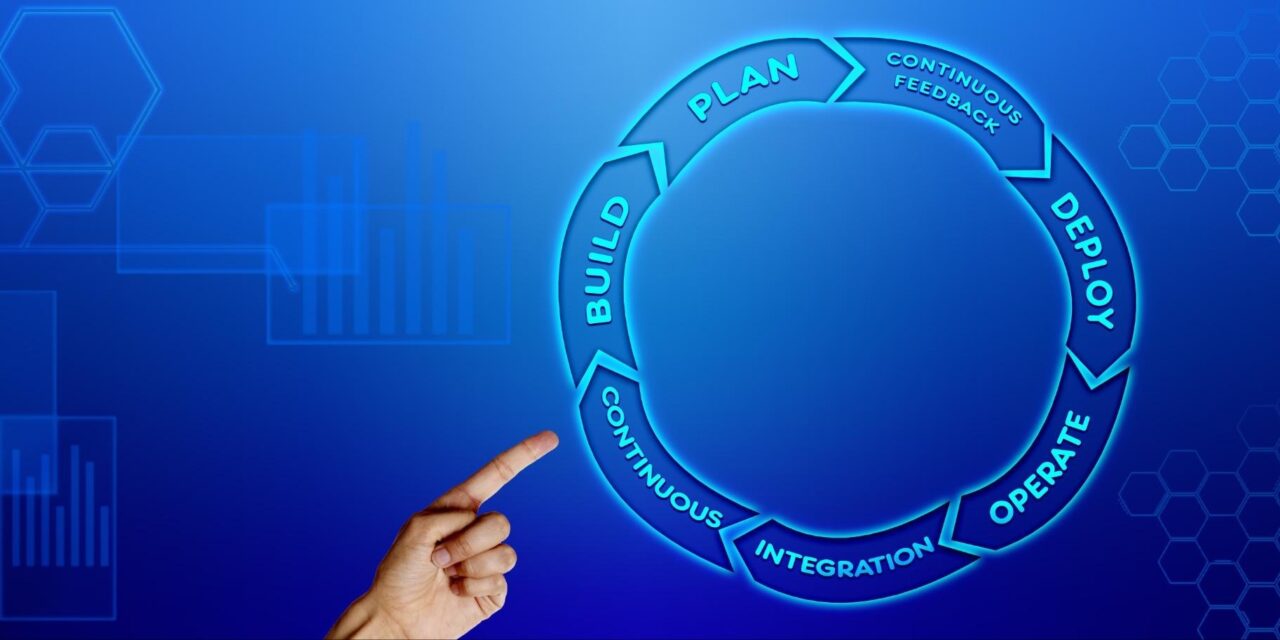
The custom software development process typically involves several stages, including discovery, idea validation, strategy and planning, value delivery, and scaling success to ensure the final product meets user needs and business objectives. Each stage has different priorities: clarity in discovery, speed in MVP build, user insight during beta, and stability during scale. Software development outsourcing can play a key role in these stages by providing access to specialized expertise and flexible resources tailored to each phase of development.
Discovery: aligning vision, users, and technology
Discovery and scoping involves identifying the single, most critical problem your software solves for users. Mapping the user journey involves identifying the primary problem your startup solves and outlining the fastest path for a user to achieve value. Rapid prototyping creates wireframes and clickable designs to visualize user flows before writing code. Feature pruning focuses on eliminating nice to have features to emphasize the core value proposition.
SoftDoes typically produces a product brief, prioritized backlog, clickable prototype, and high level system diagram.
MVP build and first release
A strong MVP team usually includes a product owner, UI UX designer, full stack engineers, QA team, project managers, and DevOps support when needed. Agile implementation builds the product in short two week sprints to remain flexible to changes. Incorporating what are the best software development practices ensures code quality, efficient collaboration, and timely delivery throughout the development cycle.
This approach helps development teams meet tight deadlines while still delivering quality work. As Forbes has discussed in startup execution coverage, successful launches depend on disciplined prioritization, not feature volume.
Finding product market fit and iterating fast
After launch, the goal shifts from “does it work?” to “do users keep coming back?” Use google analytics, product analytics, interviews, and sales call notes to understand activation, engagement, and retention.
Good feedback loops include:
- Data driven evolution focuses on tracking key performance indicators like customer acquisition cost, lifetime value, and user retention to inform product roadmap decisions.
- Data driven feature prioritization bases the feature roadmap on MVP user analytics and feedback to avoid unnecessary features.
- Iterating on a product involves using real world analytics to fix bugs, refine usability, and add high priority features that users request.
- AI and machine learning can improve user experience by providing personalized recommendations and automating routine tasks, leading to increased customer satisfaction.
- The adoption of AI and machine learning technologies is becoming essential for businesses to remain competitive, as these technologies allow for the automation of processes and the extraction of actionable insights from large datasets.
Scaling: from working MVP to robust platform
Transitioning from a Minimum Viable Product to a scalable product requires shifting focus from validation to stability, security, and growth. Transitioning from an MVP to a fully scalable product requires systematic growth, retiring technical debt, and applying best practices in enterprise software development.
Technical debt arises from code written quickly for the MVP and may require refactoring to handle higher user traffic. Conducting a codebase audit before scaling an MVP helps identify and rewrite critical bottlenecks or fragile code. Data bottlenecks may occur when MVP databases fail under heavy concurrent read and write operations.
The key is timing. SoftDoes plans for scale early but introduces complexity only when metrics justify it. Premature architecture can drain funding. A Harvard Business Review analysis of scaling makes the same point: growth requires systems, not just ambition.
Building resilient products: security, compliance, and quality
Security and compliance cannot be bolted on later, especially in finance, healthcare, and education. Professional custom software development includes secure coding, encryption, access control, audit trails, and controlled releases by default. These practices help deliver quality work while protecting users, investors, and the business.
SoftDoes as your partner from MVP to scalable product
SoftDoes supports startups through strategic discovery, MVP development, iterative product development, cloud solutions, AI, data engineering, mobile app development, and long term modernization. The goal is simple: deliver high quality solutions that protect the runway, reduce complexity, and prepare for future growth. As a trusted software development agency, SoftDoes combines technical expertise with a commitment to scalable, reliable products that meet evolving startup needs.
If you need custom software development services, mobile app development services, or a full stack dedicated team that can turn an idea into a reliable platform, SoftDoes can help you move from MVP to scale with practical engineering discipline. Share your product brief with a reliable tech partner and start building software that is ready for real users, real traffic, and real growth.