














Smart Backyard Architecture: How Pool Robots Support Cleaner Outdoor Spaces
Modern backyards are no longer treated as leftover space behind the house. In many homes, the backyard has become an outdoor room. It may include a pool courtyard, shaded seating, a garden edge, outdoor dining, glass doors, stone paving, lighting, and a direct connection to the main living area.
In that kind of setting, pool care is not just a maintenance chore. It is part of how the architecture reads.
A clean pool surface supports the whole outdoor composition. A pool with floating leaves, floor grit, dull corners, or a marked waterline can weaken even a well designed patio. Smart backyard architecture is not only about beautiful materials and strong visual lines. It also needs a hidden maintenance layer that keeps the space usable after wind, rain, family use, and seasonal debris.
Pool robots matter because they help that maintenance layer work with less visible disruption.
Modern Backyards Are Designed Like Outdoor Rooms
A well planned backyard has structure. The pool may act as the visual anchor. The patio may create the gathering zone. Planting softens edges. Lighting shapes the mood after sunset. Furniture, shade, and walkways help people move naturally through the space.
When these parts are planned well, the backyard feels calm and intentional.
But outdoor rooms are also exposed to weather and use. Leaves fall into the water. Dust moves across paving. Towels, toys, and furniture shift around. Dirt collects near the pool edge. The design can still be beautiful, but the space stops feeling finished when maintenance falls behind.
That is why smart backyard planning should include where tools live, how cleaning happens, and how the pool returns to a ready state after use.
Pool Cleanliness Shapes the Whole Outdoor Composition
Water works like a reflective design surface. It catches the sky, nearby walls, trees, lighting, and the lines of the home. When the water is clean, it can make the backyard feel larger, calmer, and more refined.
Debris breaks that effect quickly. Floating leaves draw the eye away from the architecture. Pollen can make the water surface look dull. Floor dirt shows up against pale finishes. A dirty waterline can make even expensive stone, tile, and furniture feel less considered.
In design led homes, pool vacuum cleaners are not just maintenance tools. They help protect the visual role of the water, keeping the pool closer to the clean reflective surface the outdoor design depends on.
Cleaner water also affects how often the space is used. A pool that looks ready invites people outside. A pool that looks slightly neglected makes the whole backyard feel less welcoming.
Smart Outdoor Tools Belong in Future Ready Homes
Smart outdoor technology is becoming part of residential design. Lighting systems support evening use. Irrigation tools help gardens stay healthier. Security devices support safer outdoor living. Pool robots support cleanliness and visual readiness.
The best smart tools do not dominate the design. They stay quiet, useful, and easy to integrate.
A backyard filled with visible hoses, cords, brushes, nets, and storage clutter can work against the clean architectural feeling. Smart cleaning tools help when they reduce that visual noise. Instead of leaving a manual vacuum or hose across the patio, a robotic device can complete routine cleaning with less disruption to the space.
This is especially important in homes where the pool is visible from indoor living areas. If glass doors frame the pool, the water becomes part of the interior view. Cleanliness is no longer hidden in the backyard. It becomes part of the daily architectural experience.
Pool Robots Support Low Maintenance Outdoor Living
Pool robots support architecture by making routine care easier to schedule and less intrusive. After wind, rain, a family swim, or a weekend gathering, the pool can be reset without turning the patio into a work zone.
They also help maintain multiple surfaces that affect the design. The pool floor influences the water’s depth and color. The walls and waterline shape the edge condition. The surface carries leaves, pollen, bugs, and dust before they sink. Shallow areas, steps, and platforms often collect debris where guests can see it.
A low maintenance backyard is not one that needs no care. It is one where care happens with less friction. When cleaning is easier to start, the space is more likely to stay close to its designed state.
That is the architectural value of pool robots. They make maintenance less visible while keeping the result more consistent.
Beatbot AquaSense 2 Ultra as a Smart Maintenance Layer
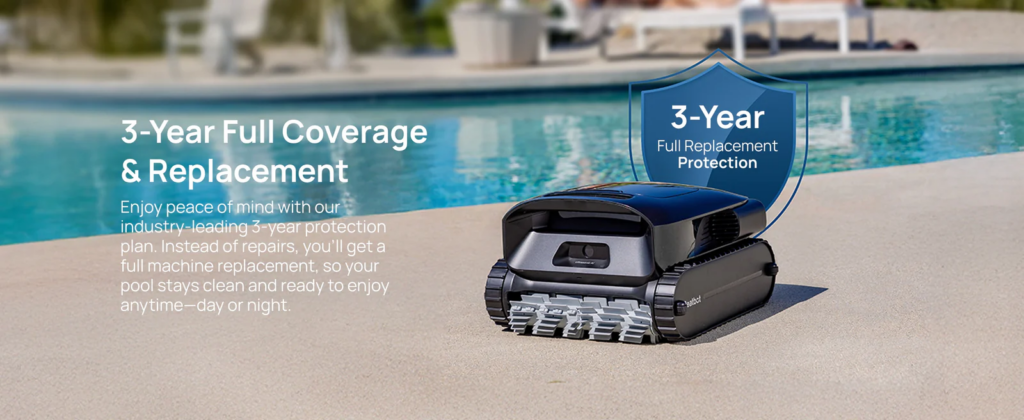
In an architecture led backyard, Beatbot AquaSense 2 Ultra can be understood as part of the invisible maintenance layer that keeps the pool from interrupting the design. A modern pool courtyard may have clean paving lines, layered planting, glass doors, lounge furniture, and carefully placed evening lighting. But a marked waterline or floating debris can weaken the whole composition. AquaSense 2 Ultra is designed to support cleaning across the water surface, floor, walls, and waterline, which makes it relevant for pools that are more than simple rectangles of water.
Its appeal is strongest in design focused spaces where pool geometry may include curves, platforms, ledges, slopes, long waterlines, or different visual zones. Beatbot describes AquaSense 2 Ultra with AI pool mapping and smart navigation features, which matter because the cleaner needs to read the pool as a space, not just move through it randomly. In that setting, an automatic pool vacuum becomes part of the backyard’s operating system: fewer visible tools, more consistent surfaces, and a pool that stays closer to the design intent between manual service visits.
It still depends on responsible ownership. Water testing, sanitizer balance, filter care, basket cleaning, large debris removal, safety barriers, swimmer supervision, and professional help for leaks, algae, cloudy water, stains, scale, or equipment faults remain part of the system.
Design Details That Help Pool Robots Work Better
A smart pool robot works best when the backyard supports it. Storage should be discreet but easy to reach. A covered service corner, equipment room, or concealed cabinet can keep charging and storage from interrupting the patio design.
The pool edge should stay clear of loose furniture, towels, toys, planters, and sharp objects. These items create safety issues and can block cleaning. Low debris planting near the pool edge also helps. Large shedding trees, loose mulch, and unstable soil near splash zones can add unnecessary maintenance.
Lighting matters too. Evening checks, robot retrieval, and filter rinsing are easier when service areas are visible. Good architecture does not ignore maintenance. It gives maintenance a clean place to happen.
Cleaner Outdoor Spaces Still Need Human Systems
A robot can support the maintenance layer, but it cannot manage the whole outdoor environment. It does not balance water chemistry. It does not replace filtration, circulation, skimmer baskets, pool safety rules, or code aware planning.
Large branches, stones, toys, towels, and sharp objects should be removed by hand. Persistent cloudy water, algae, stains, scale, leaks, or equipment faults need diagnosis rather than repeated cleaning cycles.
Smart backyard design assigns each task to the right system. The robot handles repeatable physical cleaning. The filter and pump handle circulation. The owner or service team handles water care, safety checks, and deeper troubleshooting.
Beautiful Backyards Are Easier to Maintain
The future backyard is not beautiful because it is packed with technology. It is beautiful because design, technology, and maintenance work together quietly.
Clean water supports architectural calm. Smart tools reduce repeated visible labor. Better storage protects the design from clutter. Thoughtful planting lowers debris pressure. A capable pool robot helps the pool stay closer to its intended visual role.
Smart backyard architecture works best when beauty and maintenance are planned as one system. The goal is not maintenance free luxury. It is a cleaner, calmer outdoor space that is easier to live with over time.