
















How Automation Can Give Your Business an Edge

Businesses work hard to stay competitive in an environment where speed, accuracy, and consistency influence success. Leaders search for practical ways to streamline operations without losing the human touch that keeps clients engaged. Automation offers that balance. It strengthens productivity, simplifies complex tasks, and supports teams as they focus on high-value responsibilities. When used intentionally, automation improves service quality, reduces errors, and creates smoother workflows across an organization.
Why Automation Supports Stronger Customer Experiences
Customers expect fast, reliable interactions, no matter the size of the business. Consistency builds trust, and automation supports that consistency from the first touchpoint to the final resolution. Automated reminders, follow-ups, and confirmations keep communication clear and timely. This strengthens the customer journey and reduces missed opportunities.
Teams gain breathing room when repetitive tasks are automated. Support staff can dedicate more attention to unique customer needs while technology handles routine steps. This balance leads to more personalized service because team members feel less rushed and more capable of actively listening to concerns.
Automation improves response time across communication channels. Phone, chat, and email interactions feel smoother when systems gather information instantly and direct requests to the right person. This efficiency raises customer satisfaction and reduces frustration.
Clients appreciate accuracy. Automated systems minimize miscommunication and help businesses present a polished, dependable image. This reliability becomes a key advantage in competitive markets. One strategic improvement includes AI powered call flows, which guide customers through appropriate pathways without feeling robotic or rigid. These flows reduce wait times and support seamless resolution for common issues. This efficient structure reinforces trust because customers receive guidance quickly while maintaining control over their experience. Improvements like this allow businesses to scale communication without overwhelming staff.
These tools help maintain performance during peak seasons or sudden surges in demand. When customer experience remains consistent under pressure, businesses gain long-term loyalty.
Stronger Internal Workflows Lead to Better Output
Automation strengthens how teams operate behind the scenes. Smooth internal processes eliminate bottlenecks, reduce time wasted on manual tasks, and improve overall workflow resilience.
Automated scheduling, inventory tracking, and task reminders improve organization. Teams communicate with greater clarity when everyone follows consistent systems. This reduces confusion and prevents delays that occur when information gets misplaced or miscommunicated.
Document management becomes easier when systems update records instantly. Automated filing ensures important data remains accessible to anyone who needs it. Compliance risks reduce when organizations maintain structured documentation instead of scattered manual records.
Operational clarity improves decision-making. When leaders see accurate, real-time information, they adjust strategy based on facts rather than assumptions. This helps businesses respond quickly to changes in demand, budget concerns, or performance trends.
Automation does not replace employee expertise. It enhances it. Workers spend less time on manual entry or repetitive checks and more time solving problems, brainstorming creative improvements, and strengthening customer relationships. This shift boosts morale and supports growth.
Smarter Resource Allocation Saves Time and Money
Budget efficiency influences every business decision. Automation helps teams do more with their resources by reducing unnecessary labor, minimizing rework, and preventing costly errors.
Systems that track inventory, manage appointments, or analyze customer data identify inefficiencies faster than traditional manual methods. This allows businesses to address issues before they grow into larger financial problems.
Predictive tools help anticipate needs and allocate resources properly. When a system flags low inventory levels or rising customer demand for a specific service, leaders act proactively instead of reacting under pressure.
Payroll management becomes simpler when automated systems handle time tracking and attendance. This reduces administrative burden and supports accurate compensation without complicated corrections or adjustments.
Automation also reduces human error, and even the most skilled employees make mistakes when tasks require repetitive data entry. Automated accuracy ensures records remain clean and consistent, protecting the business from billing issues or operational confusion.
The long-term savings can be substantial. Businesses that eliminate unnecessary manual work gain productivity that translates directly into profit and opportunities for expansion.
Automation as a Tool for Scalability
Growth brings new challenges. Businesses that scale without structure risk burnout, delays, and expensive inefficiencies. Automation creates a foundation for steady expansion without overwhelming staff.
When operations run smoothly, leaders focus on exploring new markets, expanding service offerings, or improving innovation. Automation supports this freedom.
Scalable systems adjust as business needs grow. Once a workflow is automated, it handles increasing volume without requiring constant supervision. This makes it easier for teams to manage growth in customer inquiries, internal tasks, or product demand.
Training becomes simpler when automation assists with onboarding. New staff follow structured, automated steps that guide them instead of relying on inconsistent manual instructions. This ensures quality and reduces the learning curve.
Businesses that invest in scalable systems avoid the stress of rebuilding processes later. Automation acts as a long-term strategic decision that strengthens operations for future success.
Continually Reviewing And Improving Automation
Automation delivers the strongest results when you treat it as a living system rather than a one-time setup. Teams gain clear insight when they track response times, error rates, handoff quality, and customer satisfaction scores on a regular basis. Those metrics reveal which workflows perform well and which ones slow people down or frustrate customers.
Regular reviews help leaders refine triggers, update routing rules, and tighten integrations between tools. Feedback from frontline staff and customers adds valuable context that raw numbers alone cannot provide. When employees share what feels clunky or confusing inside automated journeys, you gain practical ideas for targeted changes instead of broad guesswork.
Small adjustments produce noticeable gains. Tweaking a few messages, shortening certain paths, or simplifying approval steps can restore momentum across a process. Each improvement compounds earlier gains and increases trust in automation. With clear goals, consistent measurements, and ongoing refinement, your automated systems stay aligned with real business needs rather than drifting away from daily reality.
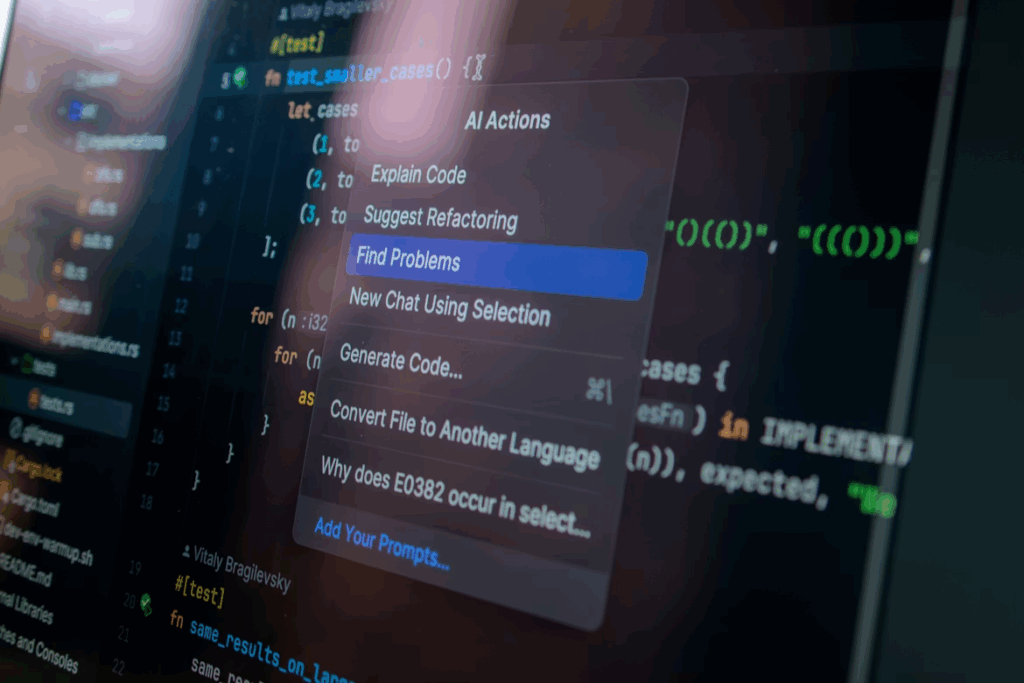
Automation gives businesses a powerful advantage by improving customer experience, internal efficiency, and overall scalability. It supports teams, protects resources, and creates stronger pathways for long-term success. When businesses combine human insight with smart technology, they operate with clarity and confidence. Automation unlocks time, strengthens decision-making, and elevates service quality. Through thoughtful implementation, every organization can gain an edge that supports consistent performance and enduring growth.