












Understanding Direct Mail Cost in 2025: What Really Drives Your Campaign Budget
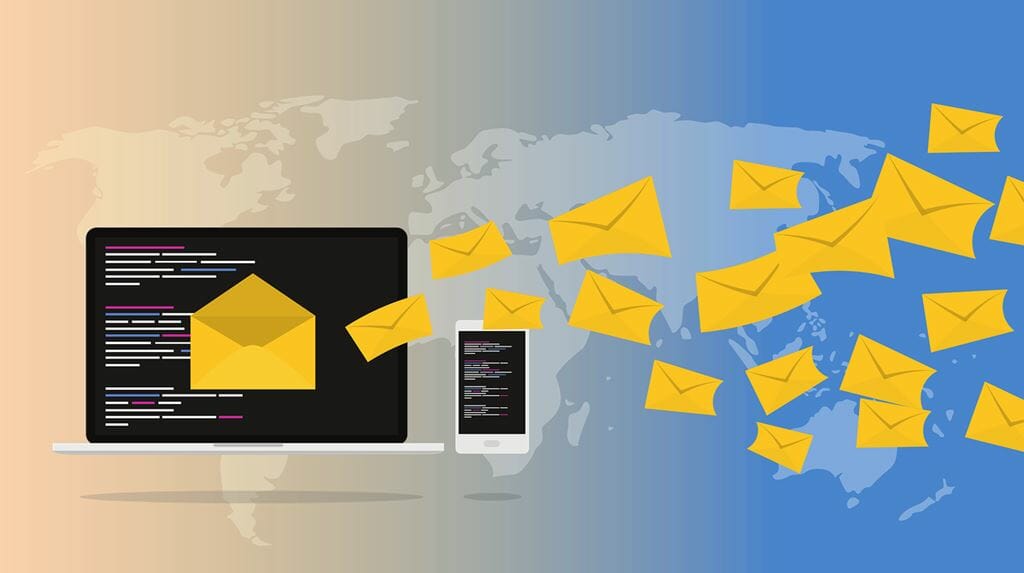
Direct mail remains one of the most effective marketing channels in 2025, but what does it really cost? Here’s a breakdown of direct mail pricing and how businesses can optimize their campaigns.
Direct mail has made a surprising comeback in recent years. In an age where inboxes are overflowing and online ads fight for attention, physical mail has once again proven its worth as a powerful marketing channel.
But one question keeps marketers cautious: how much does direct mail actually cost in today’s data-driven world?
While the average email campaign costs almost nothing per send, direct mail requires more planning and budget. Still, the tangible impact, high engagement rates, and stronger response make it a valuable investment when done strategically.
Let’s break down what drives direct mail costs and how modern tools are helping businesses optimize their campaigns.
Why Direct Mail Still Works
Before diving into numbers, it’s worth understanding why businesses continue to invest in direct mail even in the digital era.
Unlike digital ads that disappear in seconds, printed mail has a physical presence. It sits on a desk, gets passed around, and creates a personal connection. Studies show that direct mail open rates can reach 90%, far higher than the average 20% for email marketing.
Moreover, integrating direct mail with digital campaigns, for instance, sending follow-up postcards after online sign-up, has been shown to improve conversions by up to 40%.
That’s why understanding the true cost of direct mail is key for modern marketers looking to balance reach, personalization, and ROI.
Breaking Down the Cost of Direct Mail
Several factors influence the total cost of a direct mail campaign. While prices can vary, here’s a general breakdown of what to expect per piece mailed.
1. Design and Copywriting
If you hire a professional designer and copywriter, expect to pay between $150–$500 per campaign for creative services. Templates or in-house design work can lower this cost significantly.
2. Printing and Paper Quality
Printing costs range from $0.30 to $1.00 per piece, depending on:
- Paper type (standard vs. premium)
- Color vs. black and white
- Size and format (postcard, brochure, or letter)
Bulk printing often reduces the per-piece cost substantially.
3. Mailing List and Data Targeting
The quality of your mailing list is one of the biggest campaign success factors. Purchasing a targeted list can cost $0.10–$0.50 per contact, depending on segmentation criteria such as geography, income, or industry.
Alternatively, many companies use first-party data collected from CRM systems or customer loyalty programs. This makes campaigns more personal and cost-efficient.
4. Postage and Delivery
Postage typically makes up 40–50% of total campaign cost. USPS rates (as of 2025) average around $0.35–$0.55 per postcard and $0.60–$1.00 per letter for standard mail.
For large campaigns, presorted or bulk mail options can provide discounts.
5. Tracking and Automation Tools
Modern tools help reduce overhead by automating mail delivery, personalization, and tracking. Platforms such as Postalytics allow marketers to send personalized postcards or letters directly from CRM systems, offering visibility into delivery rates and campaign performance.
This kind of automation dramatically improves ROI, since it eliminates manual processes while integrating seamlessly with digital workflows.
Average Campaign Example
Here’s what a 1,000-piece direct mail campaign might cost on average:
| Expense Category | Cost (USD) |
| Design & Copywriting | $250 |
| Printing | $600 |
| Mailing List | $300 |
| Postage | $550 |
| Automation Platform | $150 |
| Total Estimated Cost | $1,850 |
That works out to roughly $1.85 per mailer, a reasonable investment considering that direct mail response rates average between 4% and 9% (source).
How to Reduce Direct Mail Cost Without Cutting Corners
Even though direct mail involves upfront costs, there are ways to maximize efficiency:
- Use smaller formats: Postcards and folded self-mailers are cheaper to print and send than full letters.
- Test before scaling: Send a smaller batch first to identify the most effective designs and messages.
- Leverage automation: Integrating with CRM or eCommerce systems reduces manual work and ensures accurate targeting.
- Combine channels: Using QR codes or personalized URLs allows you to track mail-driven engagement online, improving ROI measurement.
The ROI Perspective
While email and digital ads are often cheaper upfront, direct mail consistently outperforms in long-term brand engagement and lead quality. Customers tend to remember physical interactions — especially when the message feels personal.
This tactile nature of mail connects on a human level. Recipients are more likely to trust brands that invest effort into real communication rather than impersonal online ads.
And when companies pair that emotional impact with precise targeting and automation, direct mail becomes one of the most cost-effective marketing channels in the omnichannel mix.
Conclusion
Direct mail may have a higher upfront cost than digital channels, but its effectiveness makes it a valuable part of modern marketing strategies.
By understanding what drives direct mail cost from printing and postage to automation and analytics, businesses can plan smarter campaigns that connect emotionally while delivering measurable results.
As technology continues to evolve, modern tools are helping marketers bridge the gap between physical and digital outreach, turning what was once a traditional tactic into a data-driven growth channel.