











How Crypto Is Set to Change the Gaming Industry in 2026


The gaming industry in 2026 shows crypto moving beyond its early trials and into more practical use. Digital assets, blockchain-backed ownership, and token-based payments are increasingly influencing how games are built, distributed, and supported. Earlier efforts often struggled to connect with players. However, recent progress shows a stronger focus on speed and usability. For studios, publishers, and players, crypto is now strongly influencing design choices, monetization, and platform expectations. Rather than actually replacing traditional gaming models, it is expanding how games function and how players interact with them.
Crypto Payments and Player-Controlled Transactions
One of the clearest changes crypto is bringing to gaming in 2026 is how players can handle their payments. Blockchain-based transactions reduce the reliance on traditional processors that can be slow, costly, or restricted across regions. This matters for digital platforms that serve international audiences.
Some online gaming platforms already show how crypto-based access can simplify participation. For instance, many of the best crypto casinos, which feature thousands of games and generous bonuses, showcase how blockchain payments can shorten processing times and provide a greater deal of flexibility surrounding deposits and withdrawals (source: www.coincasino.com). For players, this often translates into much quicker access to their funds, as well as fewer third parties. For operators, too, it helps to reduce the payment friction that has long affected online gaming.
Crypto payments also allow developers to design in-game economies that are not linked to local banking systems. This then supports smoother microtransactions, shared wallets across titles, and value systems that can follow players between games or services.
Verifiable Ownership of Digital Items
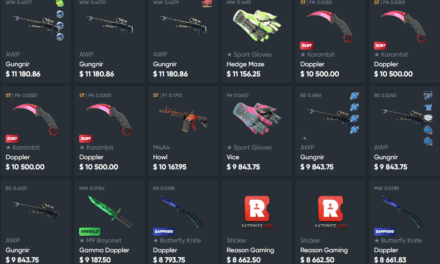
Crypto is also changing how ownership works inside games. Traditionally, digital items exist only within closed platforms, and they are fully controlled by publishers and limited to individual titles. Blockchain-backed assets, however, introduce the option for players to hold verifiable ownership of certain items, cosmetics, or collectibles.
Not every game will tokenize items, of course, but the option does allow studios to offer portability and longer-term value for players who want it. A cosmetic that has been earned through gameplay can exist outside of the game itself, as it is recorded on a blockchain and recognized across connected services. Players who invest significant time will note that this adds durability to digital rewards.
Developers benefit, too. Blockchain records provide clear tracking of history and authenticity, and this is particularly useful in large multiplayer titles or live-service games where item management can become complex.
Alternative Funding and Support Models
In 2026, crypto is influencing how games are funded and maintained. Token-based systems in gaming are increasingly being used to support ongoing development rather than relying merely on upfront purchases or subscriptions. These approaches aim to reward long-term engagement without turning gameplay into a financial exercise.
For independent studios, crypto-based funding can significantly reduce reliance on large publishers. Community-backed tokens or asset sales may help to raise capital while allowing teams to keep a sense of creative control. When they are handled carefully, these models align player interest with the long-term success of a game.
Strong implementations keep gameplay front and center. Crypto operates as background infrastructure. It does this by supporting updates and services without interfering with how the game plays.
Shared Assets Across Games and Services
Crypto also allows for a higher level of compatibility between games and platforms. Blockchain standards allow certain assets, currencies, or identities to function across multiple titles. In 2026, this supports shared progression and connected experiences that extend far beyond a single game.
A player profile that is linked to a blockchain wallet could carry achievements, cosmetics, or status markers into many different games that support the same framework. This thus reduces repetition, and it rewards continued participation across related services.
This approach encourages collaboration rather than isolation for developers and platform holders. Studios can take part in shared networks, all while maintaining creative independence, using blockchain layers as neutral technical foundations.
Security and Transaction Transparency
Security has long been a challenge in online gaming, particularly around fraud, account access, and item duplication. Crypto-based systems offer additional tools that can address these issues through transparent transaction records and cryptographic verification.
In 2026, blockchain ledgers make it much easier to track asset movement and to identify irregular activity. Smart contracts can enforce rules around rewards, item transfers, or competitive payouts without constant manual oversight. This is especially useful for competitive play and tournament-based formats, where trust in results is critical.
Transparency also affects monetization. Players can better understand how certain systems function rather than just relying on opaque mechanics. While this does not remove the debate around monetization, it does provide clearer visibility into how value moves within a game.
Regulation and Platform Policies
As crypto becomes more common in gaming, awareness surrounding legalities is greatly influencing implementation choices. Many developers are now designing systems that can adjust to regional requirements without disrupting play. This often involves separating entertainment features from financial layers and keeping crypto-based options available, yet not required.
Platform policies are also becoming more defined. Console makers, PC storefronts, and mobile platforms are establishing much clearer rules around the integration of blockchain. These guidelines give developers more predictable conditions, and they also reduce uncertainty around long-term support.
Rather than limiting creativity, clearer standards often push studios toward cleaner designs that place focus on usability and fairness.
Evolving Player Expectations
Crypto is also influencing what players are expecting from modern games. Faster transactions, clearer ownership, and systems that respect time investment are becoming standard things that people expect. Crypto infrastructure, when applied thoughtfully, can support these goals.
Players are also more informed than they were in earlier years. They recognize when crypto adds genuine value for them, and when it is included purely for attention. Games that treat blockchain as a supporting tool and not a selling point tend to receive a stronger reception.
This encourages higher-quality use of crypto across the industry, and it discourages shallow implementations.
Final Thoughts
Now, in 2026, crypto’s role in gaming is defined by practical benefits and ot by novelty. Payment flexibility, digital ownership, shared assets, and transparent systems are increasingly useful tools for both developers and players. When these technologies are paired with solid game design, they support smoother experiences and more sustainable business models. So, as gaming continues to evolve, crypto is becoming part of the underlying structure that helps games operate more efficiently and fairly.