
















The Role of Technology in Making Payments Faster and Easier

Payments have evolved significantly in recent decades, moving away from cash-heavy transactions toward digital, mobile, and automated methods. Technology now shapes how businesses and consumers exchange money, making processes faster, safer, and more convenient. From contactless cards to mobile wallets and advanced billing systems, innovations reduce friction and increase efficiency in daily transactions. For service providers, retailers, and customers, these advancements create an environment where payments no longer feel like barriers but instead enhance overall experiences.
The Shift Toward Digital Transactions
Digital payments have become the norm in many sectors, with online banking, e-commerce, and mobile applications leading the change. Consumers expect to complete purchases instantly, without delays or complex steps. Businesses respond by integrating systems that streamline the checkout process, offering multiple payment options to accommodate preferences.
This shift also creates advantages for businesses that adopt digital-first models. Quicker payments mean faster cash flow, reduced administrative overhead, and stronger customer satisfaction. Companies that still rely on outdated manual processes risk losing clients who now prioritize speed and convenience.
Mobile Wallets and Contactless Payments
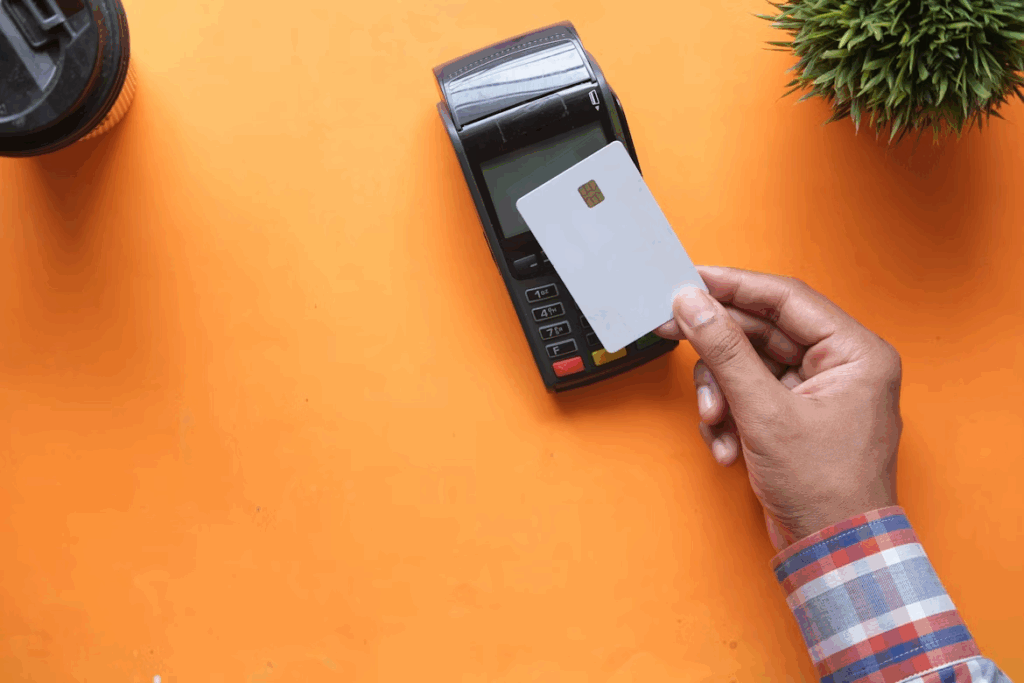
Mobile wallets, such as Apple Pay and Google Pay, have transformed the way people pay both online and in person. Instead of swiping cards or entering PIN numbers, customers now tap their devices for seamless transactions. Contactless cards provide similar convenience, allowing for quick payments at retail counters, restaurants, and transit systems.
These methods gained rapid popularity due to their ease of use and safety features. Tokenization, for example, replaces sensitive card details with secure digital identifiers, reducing fraud risks. With more merchants adopting contactless systems, consumers increasingly expect tap-and-go transactions as part of their daily routines.
Automation in Business Billing Systems
Businesses benefit from automation that reduces the time and effort required to manage payments. Automated billing ensures accuracy and consistency, while recurring payment systems eliminate the need for constant manual invoicing. These systems handle high volumes of transactions with precision, freeing staff to focus on more strategic tasks.
Many companies integrate billing platforms that align with their customer management tools. This connection ensures that invoices, receipts, and payment reminders all sync automatically, minimizing errors and delays. Faster payments improve financial stability, while automation reduces operational costs.
Platforms That Enhance Monetization
Technology empowers businesses to optimize how they receive and track payments. Solutions like the Rev.io monetization platform and similar ones enable companies to manage complex billing structures, subscriptions, and recurring revenue models with efficiency. Integrating such platforms ensures accurate invoicing, simplified reporting, and a smoother customer experience. When clients receive clear, timely statements and have access to convenient payment options, trust increases and late payments decrease. These systems demonstrate how advanced technology can transform a critical back-office process into a driver of customer satisfaction.
Security as a Priority in Payment Innovation
Speed alone cannot define effective payment technology. Security plays an equally important role in ensuring customer confidence. Digital platforms now integrate biometric authentication, two-factor verification, and encrypted data to safeguard transactions.
These layers of security protect both consumers and businesses from fraud. For companies, adopting secure systems demonstrates responsibility and helps maintain compliance with financial regulations. Customers who feel confident that their data remains safe are more likely to use digital and mobile payment options.
Real-Time Payments and Instant Transfers
One of the most exciting developments in the payment landscape involves real-time transfers. Traditional bank transactions often took days to clear, creating stress for businesses waiting for funds and for individuals managing personal budgets. Modern real-time payment systems allow money to move instantly, with funds available immediately after transfer.
This technology supports both personal and professional needs. Freelancers receive immediate compensation for completed projects, while businesses maintain healthier cash flow by avoiding processing delays. Real-time systems prove that technology enhances not just convenience but also financial flexibility.
Cross-Border Payments and Global Commerce
Technology has also simplified payments across international borders. In the past, cross-border transactions involved delays, high fees, and complex currency exchanges. Today, global payment solutions offer transparent fees and faster processing times.
For businesses, this advancement opens access to international markets. E-commerce companies can sell products worldwide without forcing customers to navigate complicated payment processes. Digital platforms streamline the experience, converting currencies automatically and ensuring compliance with local regulations. Global commerce becomes more accessible when technology removes barriers in payment processing.
The Role of Artificial Intelligence
Artificial intelligence (AI) influences payment systems by providing predictive insights, fraud detection, and customer support. AI algorithms detect unusual transaction patterns, alerting providers to potential security risks. These tools also personalize payment experiences by anticipating customer preferences and recommending options that simplify checkout.
AI-driven chatbots further support clients with payment inquiries, reducing the need for extended wait times on customer service lines. By blending efficiency with personalization, AI enhances the overall payment experience while reducing risks for both consumers and businesses.
Convenience for Consumers and Businesses
Convenience remains one of the strongest motivators for adopting new payment technologies. Consumers appreciate seamless checkouts, instant confirmations, and easy access to digital receipts. Businesses gain from reduced payment delays, fewer disputes, and improved operational efficiency.
When payments feel effortless, customer satisfaction increases. A smooth transaction often becomes the final touchpoint that defines whether a customer returns. For businesses seeking to build loyalty, payment technology becomes as critical as product or service quality.
Future Directions in Payment Technology
The future promises even more advancements in how payments occur. Cryptocurrencies and blockchain-based systems continue to evolve, offering secure and decentralized alternatives to traditional banking. Biometric payments may expand further, allowing fingerprints or facial recognition to complete purchases.
Integration across devices will also grow. Wearables such as smartwatches already support payments, and future technology may allow transactions through vehicles or other connected devices. As innovation continues, both speed and accessibility will shape the payment landscape even further.
Technology has reshaped payments into processes that are faster, easier, and more secure. From mobile wallets and real-time transfers to automation and AI, innovation reduces friction while increasing reliability. Businesses gain stronger cash flow and improved client trust, while consumers enjoy convenience and safety. With platforms designed to manage monetization and global payments, the future of transactions appears more connected and efficient than ever. Service providers that embrace these advancements position themselves to thrive in a digital economy where smooth and reliable payments define success.