















How eSIM Technology Is Changing the Way Travelers Stay Connected in Costa Rica
Over the past decade, smartphones have evolved rapidly, absorbing functions that once required multiple devices. Cameras replaced point-and-shoots, apps replaced paper maps, and digital wallets replaced physical cards. Now, another quiet but significant shift is underway: the move from physical SIM cards to embedded SIMs, better known as eSIMs.
This technology is reshaping how users connect to mobile networks, especially when traveling internationally. Costa Rica offers a clear example of how eSIM adoption is changing the connectivity experience for travelers, remote workers, and digital nomads.
What Is an eSIM and Why Does It Matter?
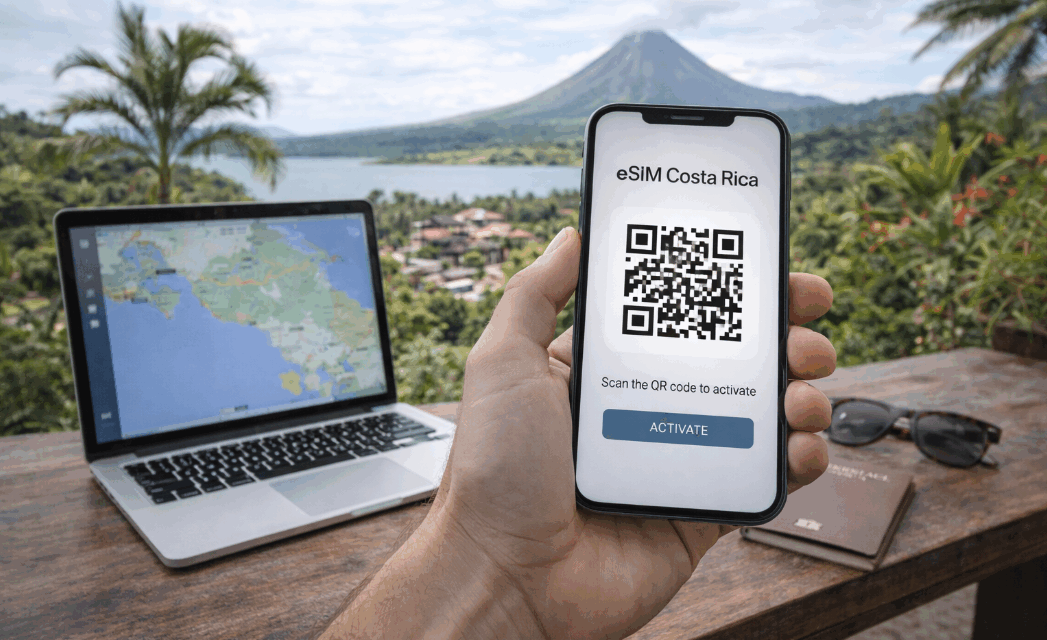
An eSIM is a digital SIM built directly into a smartphone, tablet, or smartwatch. Instead of inserting a plastic card, users activate a mobile plan by downloading a profile, often via a QR code or app. The process removes the need for physical distribution and makes switching networks significantly easier.
Most modern smartphones now support eSIM technology, including recent iPhone, Google Pixel, and Samsung Galaxy models. As manufacturers move toward slimmer designs and greater internal integration, eSIMs are becoming a standard feature rather than an experimental option.
The Problem with Traditional Roaming
International roaming has long been a pain point for travelers. High daily fees, limited data allowances, and unpredictable billing remain common complaints. Even when roaming packages are available, they are often optimized for short usage rather than sustained connectivity.
Public Wi-Fi networks offer some relief, but they come with trade-offs. Performance can be inconsistent, connections are often unsecured, and access disappears as soon as users leave hotels, cafés, or coworking spaces. For anyone relying on cloud services, maps, messaging apps, or real-time communication, these limitations quickly become apparent.
Why Costa Rica Is a Relevant Use Case
Costa Rica has become a popular destination not only for tourism but also for remote work. Its stable infrastructure, strong digital ecosystem, and growing community of international professionals make it an ideal testing ground for modern connectivity solutions.
Travelers in Costa Rica frequently move between cities, beaches, national parks, and rural areas. This mobility highlights the value of uninterrupted mobile data access. Instead of hunting for local SIM cards or relying on spotty Wi-Fi, users increasingly prefer solutions that work immediately and consistently.
How eSIMs Improve the User Experience
From a technology perspective, eSIMs offer several advantages that align with modern usage patterns:
- Instant activation: Users can set up connectivity before departure or upon arrival, without visiting a store.
- No physical swapping: The primary SIM remains in place, allowing users to keep their main number active.
- Simplified management: Multiple profiles can be stored and switched digitally.
- Reduced friction: Connectivity becomes part of the device setup, not a travel chore.
These benefits explain why eSIM adoption is accelerating, particularly among tech-savvy users who value efficiency and flexibility.
eSIMs and Security Considerations
Security is another important factor. Public Wi-Fi networks expose users to potential data risks, especially when accessing sensitive accounts or work systems. Mobile data connections, including those provided via eSIMs, generally offer a more controlled environment.
For professionals managing email, cloud storage, or collaboration tools while traveling, this added layer of security is a meaningful advantage.
A Broader Shift in Mobile Connectivity
The rise of eSIMs reflects a broader trend toward software-defined infrastructure. Just as cloud computing replaced on-premise servers, digital SIM provisioning replaces physical distribution. Network access becomes something users configure, not something they physically install.
This shift also benefits manufacturers and carriers by reducing hardware dependencies and enabling faster innovation. For users, it means fewer barriers and more choice.
In discussions about real-world eSIM usage, Holafly’s esim for Costa Rica is often cited as an example of how digital connectivity solutions are being applied in practice, illustrating how eSIM technology fits into everyday travel scenarios without requiring technical expertise from the user.
What This Means for the Future
As eSIM support expands and physical SIM slots begin to disappear, users will increasingly expect connectivity to be as seamless as downloading an app. Travel, remote work, and international collaboration will all benefit from this shift.
Costa Rica’s popularity among connected travelers highlights how demand for simple, reliable mobile data access is shaping the next phase of mobile technology. eSIMs are not just a convenience feature; they represent a fundamental change in how devices connect to networks.
Final Thoughts
Technology is most impactful when it removes friction rather than adding complexity. eSIMs do exactly that by simplifying one of the most frustrating aspects of international smartphone use.
As more devices adopt embedded connectivity and users become comfortable managing mobile plans digitally, eSIMs will move from being a travel solution to a default standard. Costa Rica serves as a clear example of how this transition is already happening — quietly, efficiently, and driven by real-world needs.
For tech enthusiasts and everyday users alike, eSIM technology signals a future where staying connected is no longer tied to plastic cards, paperwork, or physical constraints, but is instead fully integrated into the digital experience.