












Common Mistakes Gamers Make After Injury Recovery
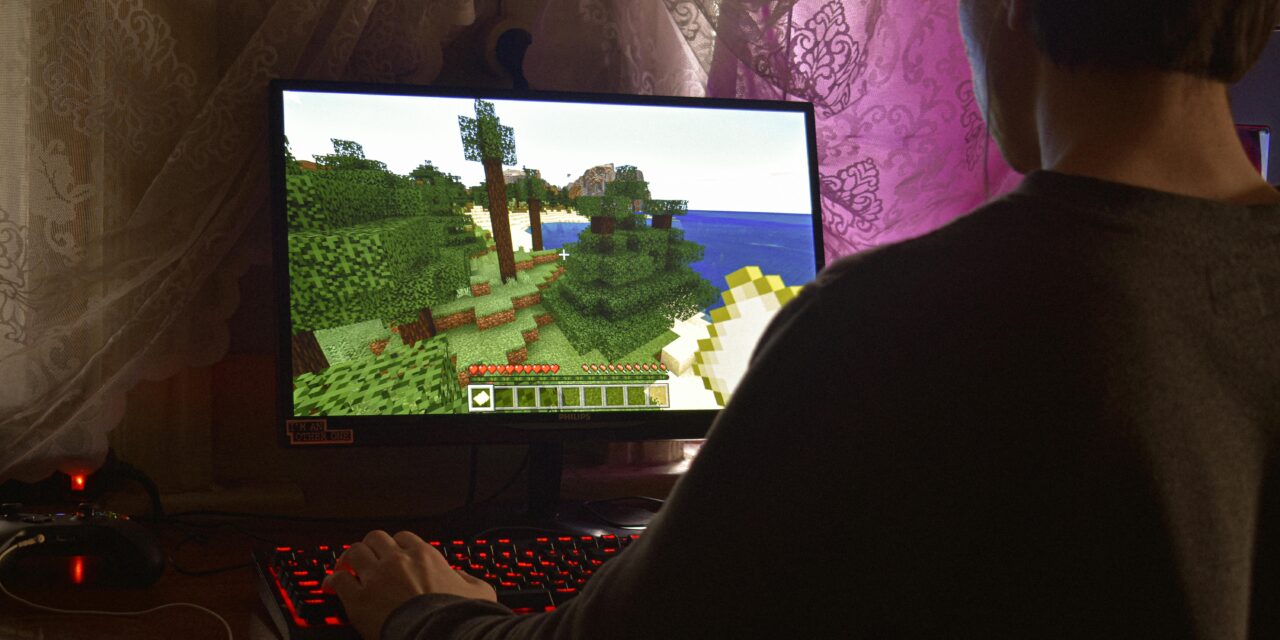
Injury recovery marks a turning point for gamers who are eager to return to familiar routines, competitive play, and long sessions that once felt effortless. The relief of being cleared to play again can create a sense of confidence that masks lingering vulnerabilities in the body. Muscles, tendons, and joints may feel ready, yet they often remain sensitive to strain, repetition, and poor positioning long after pain subsides. When recovery is treated as an endpoint rather than a transition, setbacks become far more likely.
Understanding the mistakes that frequently follow recovery helps gamers protect progress and reduce the risk of reinjury. Thoughtful pacing, realistic expectations, and attention to physical signals allow gaming to remain enjoyable rather than frustrating. A careful return respects both the body’s healing timeline and the demands modern gaming places on posture, reflexes, and endurance.
Rushing Back Into Long Gaming Sessions
The excitement of returning often leads gamers to resume marathon sessions that once felt routine. Early recovery may bring reduced pain, yet endurance and tissue resilience often lag behind comfort. When long sessions resume too quickly, micro-strain builds quietly, stressing areas that have not fully adapted to sustained use. This pattern can reverse weeks of progress without a single dramatic warning sign.
Mental focus plays a role in this rush, as immersion makes time pass unnoticed. Gamers frequently underestimate how quickly fatigue accumulates during recovery, particularly in the hands, shoulders, and lower back. Without structured breaks, the body receives fewer chances to reset alignment and circulation. Fatigue then alters mechanics, increasing tension and uneven loading across joints.
A gradual return works best when sessions are intentionally limited and extended only after consistent comfort. Shorter play periods combined with scheduled pauses encourage awareness rather than endurance testing. This approach builds tolerance steadily while reinforcing habits that support long-term performance.
Ignoring Subtle Pain Signals
After recovery, discomfort often returns in quieter forms that feel easy to dismiss. Mild stiffness, tingling, or dull aches may appear briefly and fade, encouraging gamers to push through rather than pause. These sensations often signal overload rather than harmless soreness. When ignored repeatedly, they tend to return with greater intensity and duration.
Pain perception can be altered by excitement and concentration, which masks early warning signs. Competitive moments and social play increase adrenaline, reducing sensitivity to strain. Once the session ends, inflammation may surface hours later, creating confusion about its source. This delay makes it harder to connect symptoms with specific behaviors.
Learning to interpret subtle cues restores control during recovery. Responding early with rest, stretching, or session adjustment prevents escalation. Respecting minor discomfort preserves healing momentum and keeps progress intact rather than cyclical.
Returning to Poor Ergonomic Habits
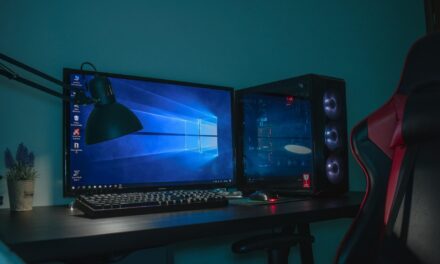
Recovery often focuses on healing tissues while overlooking the environment that contributed to the injury. Desks, chairs, monitors, and controllers may remain unchanged, recreating the same stress patterns that caused strain. When posture slips back into old habits, vulnerable areas absorb repeated load. Healing tissue then adapts under less-than-ideal conditions.
Small ergonomic issues compound during long play, even when pain feels absent. Wrist angles, shoulder elevation, and screen height subtly influence muscle tension and nerve compression. Gamers who skip reassessment assume recovery corrected the issue, yet the root cause may still be present. Discomfort returns with familiar patterns.
Revisiting setup design strengthens recovery outcomes. Adjustments that support neutral posture reduce unnecessary strain and encourage efficient movement. When the environment supports the body, gaming becomes less taxing and more sustainable.
Overlooking Legal and Medical Follow-Up After Injury
Some injuries carry consequences beyond physical discomfort, particularly when they result from accidents or unsafe conditions. Gamers may focus exclusively on physical recovery while neglecting follow-up related to accountability or compensation.
This oversight can limit access to resources that support proper rehabilitation and equipment adjustments. It may even affect future care options. In situations involving third-party responsibility, guidance from a Bethlehem accident law firm can clarify rights and next steps without interfering with recovery. Legal insight helps injured individuals understand how documentation, timelines, and medical records intersect. This awareness reduces stress and allows recovery decisions to remain informed rather than reactive.
Ignoring these considerations may create challenges later, particularly if symptoms resurface or worsen. Addressing them early supports both physical healing and peace of mind. Recovery benefits when external factors are handled alongside health priorities.
Overconfidence in “Feeling Normal” Again
Feeling normal can be misleading during recovery, as comfort does not always equal readiness. Gamers may test reflexes and endurance aggressively once pain fades, assuming full capacity has returned. This mindset overlooks the gradual nature of tissue remodeling and neuromuscular adaptation. The body may still respond poorly to sudden spikes in intensity.
Competitive environments amplify overconfidence by encouraging maximal performance. Pushing reaction speed, tension, and sustained effort stresses healing areas unevenly. Small lapses in form become more frequent as intensity rises. These lapses accumulate strain without obvious immediate pain.
Balancing confidence with caution protects long-term enjoyment. Treating recovery as an evolving process allows gamers to rebuild capacity without risking regression. Progress feels steadier and more predictable when expectations align with physiology.
Skipping Strength and Mobility Maintenance
Once formal therapy ends, many gamers stop exercises that supported recovery. Strength, mobility, and stability routines are often viewed as temporary obligations rather than ongoing protection. Without continued conditioning, muscles that stabilize injured areas gradually weaken. Flexibility declines, and joints lose the support needed for repetitive input.
Gaming emphasizes fine motor control and sustained posture, both of which depend on balanced muscle engagement. When supporting muscles fatigue early, larger muscles compensate inefficiently. This imbalance increases tension and compressive forces around healing tissues. The result feels like a sudden setback rather than a radical decline.

Maintaining a simplified routine preserves resilience without demanding extensive time. Consistency matters more than intensity. Brief sessions focused on mobility and strength reinforce recovery gains and reduce vulnerability during longer play.
Recovery after a gaming injury extends well beyond the moment pain subsides. The habits formed during the return phase shape whether healing continues or quietly reverses under pressure. By recognizing common mistakes and adjusting behavior with intention, gamers protect both performance and wellbeing. A thoughtful approach keeps gaming enjoyable, sustainable, and aligned with long-term health rather than short-term relief.