












How Modern Web Design Impacts Business Growth in 2026
In 2026, modern web design plays a central role in how businesses grow, compete and connect with customers in an increasingly digital world. A business website is no longer just an online presence. It is a core driver of brand identity, customer engagement and long-term business growth. As user behaviour, mobile devices and search engines continue to evolve, outdated websites with static layouts and poor usability are quickly falling behind.
Many businesses are now investing in modern website design to stay competitive and meet rising user expectations. Working with uk website design & development services helps ensure websites are built with performance, user intent and scalability in mind, allowing businesses to move ahead in a fast-changing digital landscape.
Why Modern Web Design Matters More Than Ever
Modern web design goes far beyond aesthetics. It combines visual language, user interface design, web development and website optimisation to create digital experiences that guide users, reduce cognitive load and improve customer satisfaction.
In 2026, users expect websites to load quickly, adapt seamlessly across mobile devices and provide a smooth, intuitive journey. Websites that fail to meet these expectations often struggle with customer retention, lower user engagement and reduced visibility in search engines.
Modern website design focuses on responsive design, mobile first design and structured data, helping businesses align with search engine optimization best practices while delivering a seamless user experience.
Key Web Design Trends Shaping 2026
Several web design trends are defining how businesses approach website design in 2026. These trends are not just visual but functional, supporting usability, accessibility and performance.
Dark mode continues to grow in popularity, allowing users control through system settings while reducing eye strain and even carbon footprint on certain devices. Bold typography and strong visual rhythm help create visual interest and reinforce digital identity across landing pages and core site sections.
Micro interactions, subtle motion and smooth page transitions are increasingly used to guide users, provide feedback and enhance usability without overwhelming the interface. These interactive elements help create emotional connection and improve customer engagement when used thoughtfully.
Brand Identity and Visual Storytelling
A modern business website acts as a storytelling tool. Through custom illustrations, decorative elements, geometric shapes and consistent design elements, businesses can communicate brand identity clearly and memorably.
Visual storytelling supports immersive brand experiences that align with user intent and reinforce trust. Rather than relying on static websites or generic templates, many businesses are investing in modern web design that reflects their values, vision and positioning in the market.
This approach helps differentiate brands in competitive sectors and supports long-term business growth by creating stronger emotional connections with users.
User Experience, Accessibility and Inclusive Design
Inclusive design is now a fundamental part of website design trends. Websites must be accessible to users with different abilities, devices and preferences. Support for screen readers, system fonts, clear user flows and multiple languages helps ensure digital experiences are usable by a wider audience.
Enhancing usability through clear navigation, logical structure and reduced cognitive load improves customer satisfaction and encourages repeat visits. Inclusive design is not only a legal and ethical consideration but also a practical way to improve customer engagement and reach more users.
Mobile First Design and Responsive Layouts
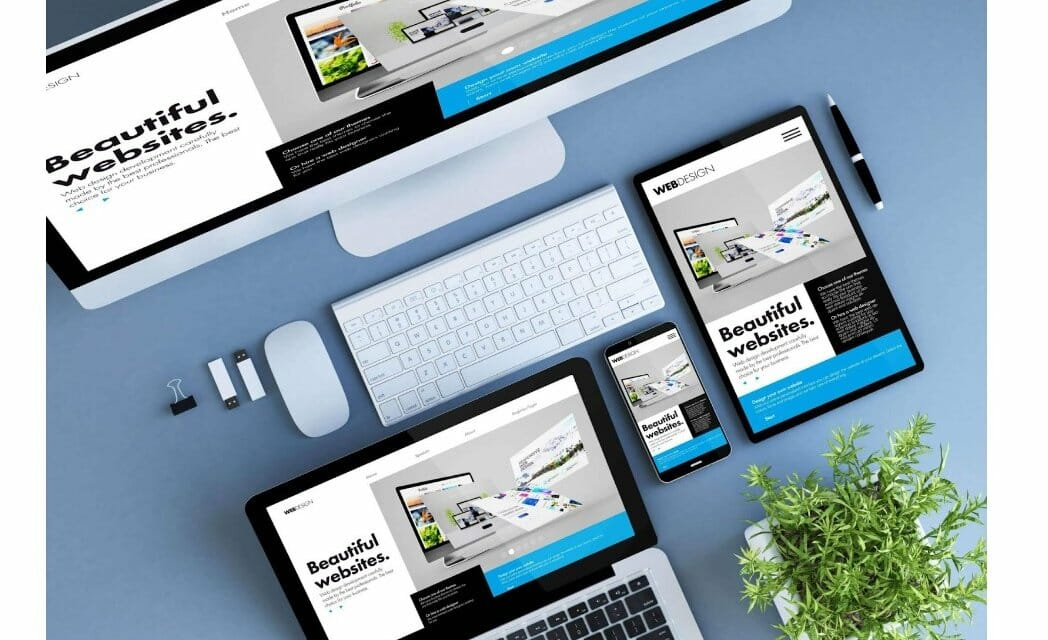
Mobile devices dominate how users access the web in 2026. As a result, mobile first design and responsive design are essential for any modern website. Static layouts that fail to adapt to different screen sizes often lead to frustration and abandonment.
Modern web design prioritises flexible grids, responsive images and layouts that adapt seamlessly across devices. This approach improves user experience, supports search engine optimization and ensures websites meet current trends in user behaviour.
AI Powered Personalisation and Data-Driven Design
Artificial intelligence is playing an increasing role in web design and web development. AI powered personalization allows websites to adapt content, layouts and recommendations based on user behaviour and preferences.
AI tools can also support website optimisation by analysing data, identifying friction points and improving user flows. When used responsibly, artificial intelligence helps businesses enhance customer engagement while respecting data protection requirements.
Personalised digital experiences help guide users more effectively, improve conversion rates and support customer retention over time.
Web Design, SEO and Digital Marketing Alignment
Web design and digital marketing are closely connected. Search engines reward websites that load quickly, provide clear structure and deliver relevant content aligned with user intent.
Modern web design supports search engine optimization through clean code, structured data, fast performance and mobile optimisation. These factors help improve visibility in search results and support long-term organic growth.
Landing pages designed with user experience and visual interest in mind are more effective at converting traffic generated through digital marketing campaigns.
Sustainability and Responsible Design Practices
Sustainable practices are becoming an important consideration in web design trends. Efficient design choices, optimised assets and reduced reliance on heavy animations can lower a website’s carbon footprint.
Minimalist design, efficient system fonts and thoughtful use of decorative elements help balance visual interest with performance. These practices not only support sustainability but also improve load times and usability.
Avoiding the Risks of Outdated Websites
Many businesses still rely on outdated websites built on static layouts that no longer meet user expectations. These sites often suffer from poor performance, weak accessibility and limited flexibility.
Outdated websites can damage brand perception, reduce customer satisfaction and limit growth potential. In contrast, modern website design enables businesses to adapt quickly, integrate new tools and stay aligned with current trends.
Gaining a Competitive Edge in 2026
In a crowded digital landscape, modern web design provides a clear competitive edge. Websites that combine strong visual language, inclusive design, responsive layouts and AI driven insights are better positioned to succeed.
By investing in modern web design and web development, businesses can create digital experiences that build trust, guide users effectively and support sustainable business growth.
As expectations continue to rise, businesses that prioritise modern website design will be better prepared for the future and positioned to stay ahead in 2026 and beyond.