











Integrating IT Solutions Across Business Departments

In a rapidly evolving business landscape, the integration of IT solutions across various departments has become important for operational efficiency and strategic success. Organizations are increasingly recognizing that the seamless flow of information and resources across departments leads to a more cohesive work environment. This integration enables businesses to respond to market changes more efficiently, improve customer satisfaction, and enhance productivity.
By leveraging modern IT tools, companies can cultivate collaboration and streamline processes, significantly impacting their bottom line. It’s not just about adopting new technologies but about aligning IT capabilities with business goals. The following sections will explore various aspects of how integrating IT solutions can transform departmental interactions and improve operational effectiveness within a business.
Enhancing Communication Across Departments
Effective communication is the cornerstone of any successful organization. Information sharing plays a vital role in ensuring all employees understand their roles and responsibilities. Integrated IT solutions foster an environment where communication barriers are minimized. Collaboration tools like Microsoft Teams or Slack enable real-time messaging, file sharing, and video conferencing, ensuring all departments remain connected. Aligned IT infrastructure allows departments to have quick access to important data, leading to quicker decision-making processes.
Utilizing centralized communication platforms eliminates the silos that typically hinder collaboration. When marketing teams can easily share campaign statuses with sales, the entire organization benefits from aligned strategies and goals. Consistent communication helps build trust, reduces misunderstandings, and fosters a sense of community. The implementation of these technologies can lead to significant increases in employee satisfaction and retention rates.
Streamlining Processes with Automation
Automation has proven to be a game-changer for many organizations looking to streamline their operations. By deploying integrated software solutions, businesses can automate routine tasks across departments, freeing up valuable time for employees to focus on strategic initiatives. Processes such as invoicing, order management, and customer relationship management can be handled through automated systems, minimizing human error and improving efficiency.
When teams across departments leverage automation technologies, they create workflows that connect various data sources. This integrated approach reduces the need for manual data entry and allows employees to allocate their time towards more meaningful activities. Investments in IT support services for better productivity can enhance automation strategies and ensure systems run smoothly. This transition boosts productivity and enhances service delivery for customers.
Data-Driven Decision Making
The ability to collect, analyze, and utilize data across departments empowers organizations to make informed decisions. With integrated IT solutions, businesses can harness vast amounts of data, enabling teams to track performance metrics and identify trends. This data-driven approach helps departments understand how they contribute to the organizational goals and adjust strategies accordingly. Access to analytics tools allows departments to collaborate better, as they can share insights and findings effortlessly.
Sales teams can provide feedback to product development based on customer preferences, while finance teams can assess the economic impact of these changes. This synergy creates a dynamic environment where departments learn from one another and adapt their practices based on empirical evidence, driving growth.
Improving Customer Experience
Delivering exceptional customer service is a shared responsibility among departments. Integrating IT solutions helps teams track customer interactions and preferences, allowing organizations to cater to individual needs. These systems provide insights into customer behavior, enabling departments to strategize effectively and improve touchpoints. As departments align their initiatives, they become more agile in responding to customer feedback.
When the customer service department collects feedback from clients, they can relay critical information to product or marketing teams. This continuous feedback loop enhances the product offering and fosters loyalty among the customer base. A collaborative approach powered by integrated IT solutions leads to improved customer satisfaction and retention, crucial in competitive markets.
Encouraging Cross-Departmental Projects
Cross-departmental projects bring diverse perspectives together, fostering innovation. IT solutions play a pivotal role in making collaboration on such projects feasible. Project management tools help outline roles, set deadlines, and track progress efficiently. With real-time visibility into project statuses, departments can discuss challenges and successes openly, facilitating quicker problem-solving.
By encouraging employees from different departments to work together, organizations cultivate a collaborative culture. Different skill sets and experiences yield fresh ideas and creative solutions that can transform how services and products are delivered to customers. IT integration ensures that teams have the resources they need to connect for joint projects, driving successful outcomes.
Facilitating Training and Development
Integrating IT solutions can enhance training and development processes within an organization. Learning management systems (LMS) allow departments to deliver training programs tailored to specific roles. Employees can access training materials anytime, breaking down traditional barriers related to time and location.
When employees are equipped with the necessary skills and knowledge, the entire organization reaps the rewards. Cross-departmental training programs foster understanding and collaboration among teams. Employees who understand the challenges others face are more empathetic and cooperative. This approach builds a more informed workforce and encourages a unified culture across departments.
Future Trends in IT Integration
As technology continues to evolve, businesses must stay ahead of future trends in IT integration. Emerging technologies such as artificial intelligence (AI), machine learning, and cloud computing are transforming how organizations operate. By harnessing these trends, departments can create interconnected systems that simplify complex tasks and enhance productivity.
Staying informed about new technological advancements allows departments to identify opportunities for further integration. A proactive approach to IT solutions helps organizations adapt swiftly to changes in the market landscape while maintaining operational effectiveness. Embracing these future trends can position businesses as forward-thinking leaders within their industries, securing their growth and sustainability. Through integrating IT solutions across business departments, organizations can improve their operational efficiency, enhance collaboration, and achieve their goals.
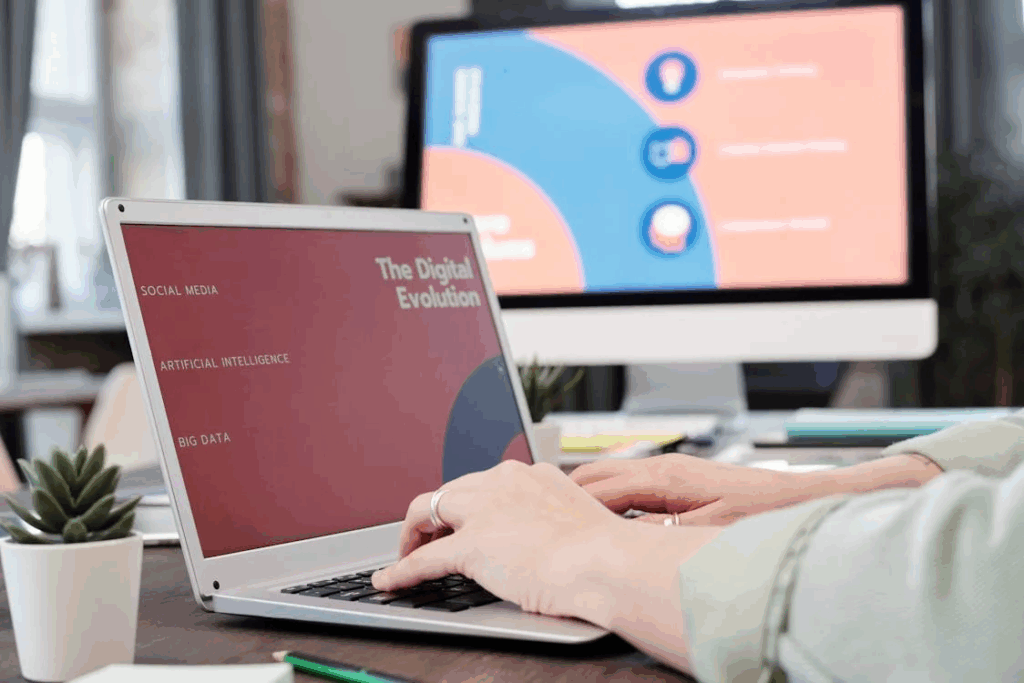
The benefits are manifold, impacting everything from employee satisfaction to customer experience. As companies navigate this path, they must remember that the key lies in technology and in fostering a culture of collaboration and openness. By doing so, they will thrive today and prepare themselves for the future. Such an approach encourages continuous learning and innovation across all levels of the organization. In the long run, this balance between human insight and technological advancement creates a resilient and forward-thinking business environment.