
















Modern APIs And Modular Software: Built By People, For People
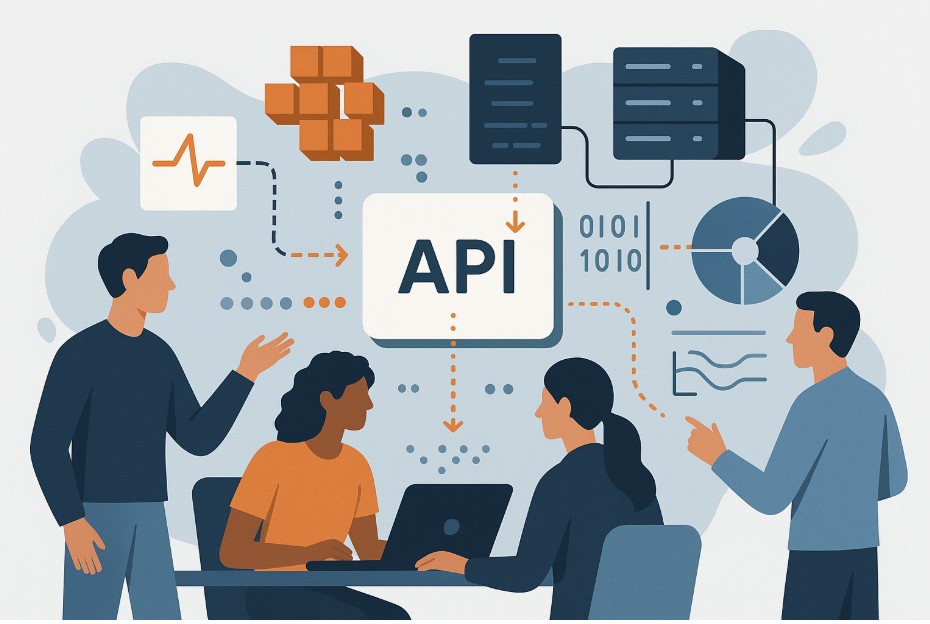
Shipping a digital experience is exciting, but the people behind it matter more. Product managers juggle timelines, engineers chase reliability, and support teams field late-night pings. A modular backend and clean interfaces lighten that load, especially when you can plug in trusted tools like sweepstakes gaming software without wrestling the whole stack every release.
Why Architecture Choices Reduce Stress For Real Teams
Think about your last peak traffic day. Was everyone calm, or fire-drilling? Modular services help teammates breathe. Each service owns a small promise, deploys independently, and fails without taking friends down. That isolation lowers on-call pressure, speeds rollbacks, and keeps conversations focused. Instead of “everything broke,” you get “this endpoint needs love,” which is kinder on humans.
Event-Driven Flow Improves The Human Feedback Loop
Users want instant feedback, and your team wants predictable workloads. Event streaming serves both. Writers log an event once; readers process it at their own pace. When spikes arrive, queues protect your cores and your teammates. Idempotent handlers make recoveries boring in the best way. The result feels human: quick confirmations now, deeper processing as systems catch up.
Data That Tells A Story People Can Act On
Dashboards shouldn’t scold; they should guide. Start with a narrative: what users tried, where they paused, and what finally worked. Edge signals flow into storage, then into concise views that your product folks understand. Add cohorts, annotate launches, and keep metrics tied to real decisions. When the story is clear, debates shorten, and ownership spreads naturally across the team.
Practical Moves Your Team Can Try This Sprint
- Sketch one “happy path” and one “oh-no path,” then trace both in logs.
- Add a single, meaningful KPI to your release checklist this week.
- Pair a developer and a support lead to triage the top five recurring issues.
- Write a 90-second screen capture for the most confusing setup step.
Security Routines That Respect People’s Time
Security is easier when it fits daily habits. Strong authentication with short-lived tokens, automatic key rotation, and scoped credentials cuts toil. Rate limits and input validation reduce noisy incidents—Encrypt data in transit and at rest, including backups. Keep audit trails readable by humans, not only tools. Clear trails speed postmortems and keep trust intact between teams.
Integration Without Drama: Setting Expectations Early
Every integration adds power and risk. Make life simpler with typed schemas, versioned contracts, and test doubles for partners. Validate payloads at the boundary and normalize errors. Wrap outbound calls with timeouts and circuit breakers, then document your SLAs plainly. This politeness is practical: future, you will thank the present you during the next busy season.
API Design That Feels Friendly, Not Fussy
Developers flock to APIs that respect their time. Use predictable resource names and consistent pagination. Offer webhooks to avoid wasteful polling. For every status code, share a tiny runnable example. Keep SDKs thin and faithful to the wire. Docs should breathe, with copy-paste curls that work and a “five-minute start” that actually takes five minutes.
Edge Performance Where People Notice It Most
Speed reads as care. Push assets to a CDN, cache read-heavy data near users, and compress responses thoughtfully. Measure tail latency, since that’s what customers feel. Reuse connections, prune queries, and keep payloads tidy. None of these moves is flashy alone, but together they change the tone of every click from “wait” to “sure.”
Testing That Mirrors Real Life, Not Lab Life
Real traffic isn’t neat. Rehearse queue delays, third-party hiccups, and half-open connections. Load tests should reflect bursts and lulls, not perfect ramps. Shadow production traffic into staging before migrations. When a bug bites, capture it as a regression test. That habit turns one painful evening into protection for future launches everyone sleeps through.
Observability That Guides Calm, Confident Decisions
Great observability is like a good map: it shows the route and the roadblocks. Tie business events to traces, group alerts by impact, and keep on-call runbooks actionable. Fewer, better alerts reduce fatigue. Add deploy markers on graphs so everyone sees cause and effect. When the picture is honest, teams move faster with fewer meetings.
Managing Change Without Surprises Or Burnout
Feature flags let you ship safely, learn quickly, and roll back instantly. For bigger moves, use canary or blue-green releases. Keep schema changes backward compatible for a full cycle. Communicate deprecations with dates and examples. These gentle rhythms protect customers and protect weekends, which is the kind of reliability people remember.
When A Specialized Interface Makes Work Easier
Sometimes, the cleanest bridge between systems is a focused interface managed by a domain expert. Teams often lean on a well-documented gambling api to validate payloads, enforce scopes, and standardize data exchange. With clear limits and sensible throttling, engineers spend less time reinventing glue and more time shaping user-visible value.
Costs And Capacity Planning Without The Guesswork
Healthy margins buy freedom. Right-size instances, set thoughtful TTLs, and reserve capacity where usage is steady. Track per-request cost to inform design. Tier old data and compact logs before they sprawl. Managed services can save toil, but keep exit ramps defined. Clear budgets turn scary invoices into predictable line items, which lowers leadership anxiety.
Conclusion: Technology That Cares For People Scales Better
Behind every request is a person hoping something just works. Modular services, event streams, thoughtful APIs, and gentle operational habits make that hope real. Start small, measure what matters, and iterate without drama. Systems become simpler to run, teammates stay kinder under pressure, and customers feel the difference in every click.