










Pimax unveils ultra-light Dream Air SE and upgraded Dream Air with stunning micro-OLED visuals and full tracking
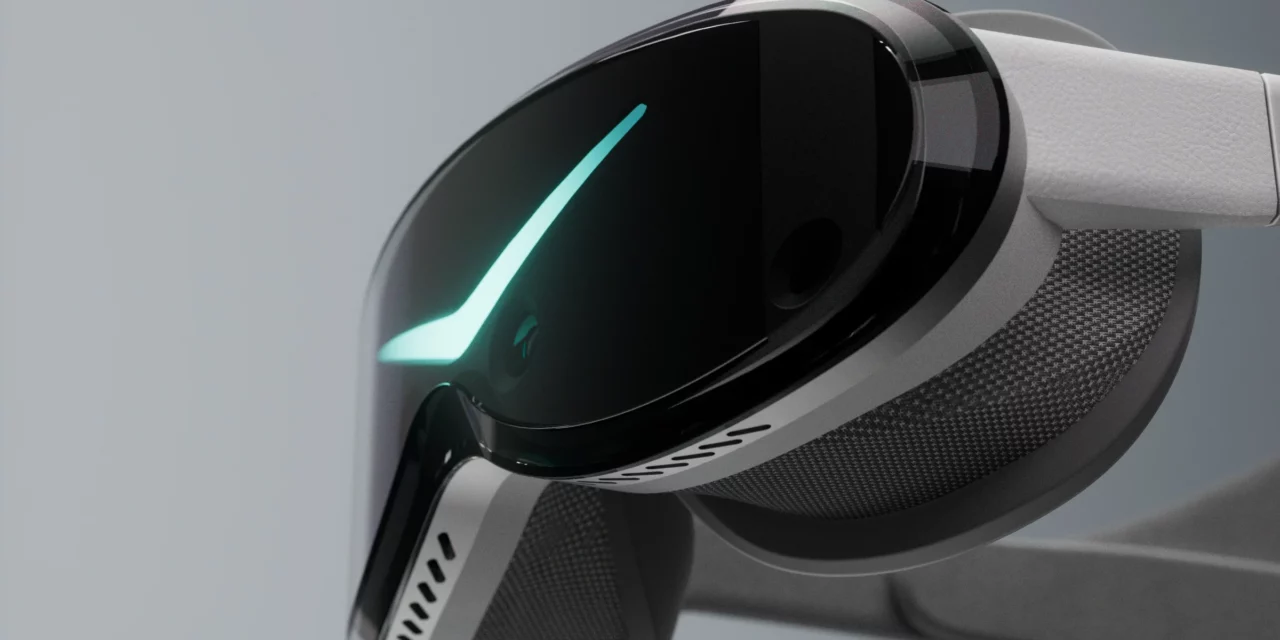
Pimax, a well-known name in high-end virtual reality, has announced two new additions to its headset lineup: the Dream Air SE and an upgraded version of the Dream Air. Both devices focus on delivering top-tier visual quality, full tracking features, and user comfort—while remaining lightweight and portable.
The Dream Air, first introduced in December 2024 as the world’s smallest 8K VR headset, now comes with several major improvements. It boasts new Sony micro-OLED panels with a resolution of 3840 x 3552 pixels per eye, offering more than 27 million pixels in total. These upgraded displays bring better brightness, colour accuracy, and sharpness, supported by a wider 20° chief ray angle for improved visual depth.
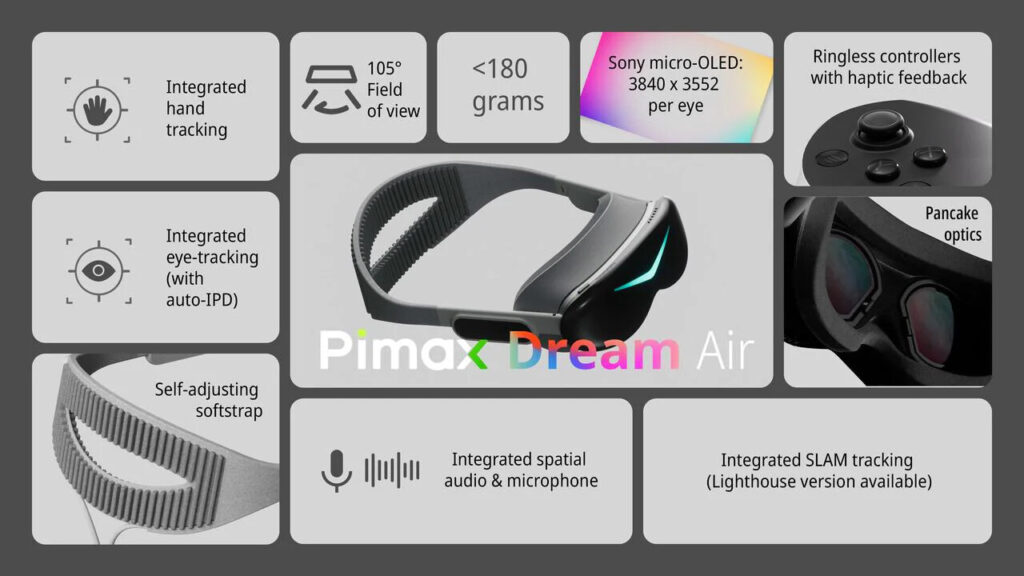
In terms of optics, the headset uses new pancake lenses that reduce glare and deliver clear visuals across the entire field of view. The Dream Air also packs a full suite of tracking and audio features: Tobii-powered eye-tracking at 120 Hz, inside-out tracking, hand-tracking, and controller support. It’s available in both SLAM and Lighthouse versions, giving users more flexibility depending on their setup. Comfort hasn’t been overlooked either—it comes with a lightweight build, a self-tightening strap, and halo-style headband for long play sessions.
Introducing Dream Air SE: High-end experience, affordable price
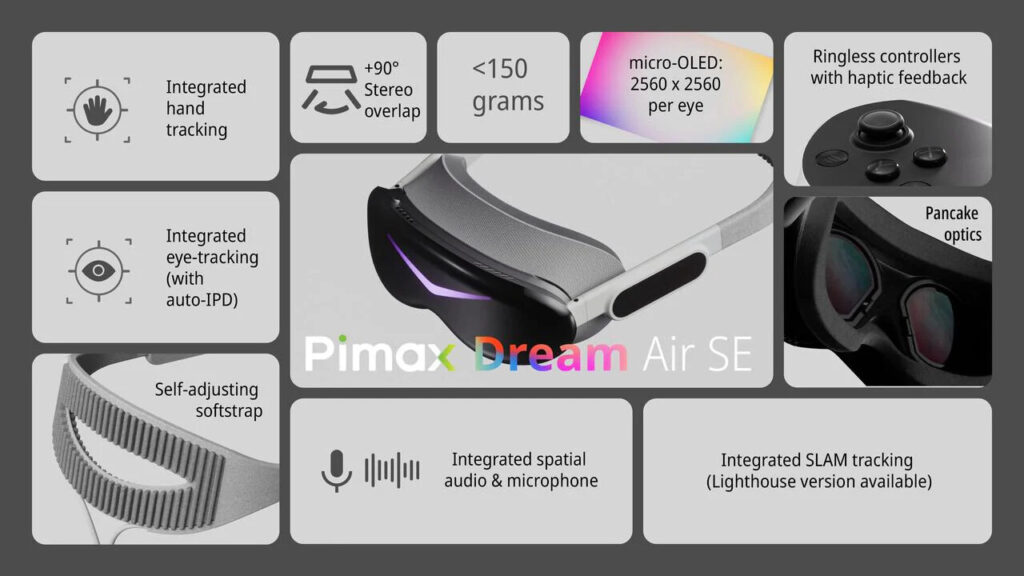
The new Dream Air SE brings many of the premium features of the Dream Air into a more affordable headset. It uses micro-OLED panels with a slightly lower resolution of 2560 x 2560 per eye, still offering rich colours and deep blacks. The optics are also based on pancake lenses with a wide stereo overlap above 90°, ensuring good immersion.
Like its more expensive sibling, the SE includes integrated audio, eye-tracking, SLAM tracking, controllers, and hand-tracking. Despite all these features, it weighs under 150 grams, making it one of the lightest full-featured PCVR headsets available.
Pimax Dream Air Pricing and availability
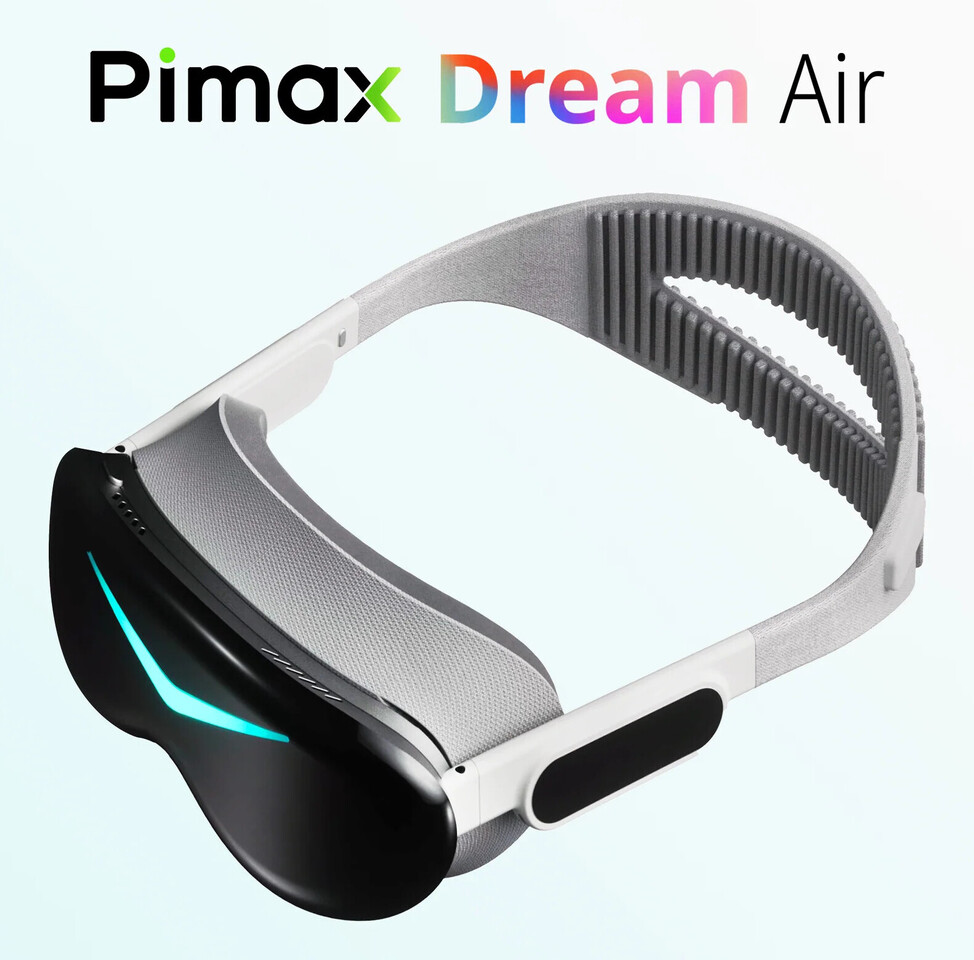
Pimax is offering two main versions of the Dream Air SE:
- SLAM version (with inside-out tracking and controllers): $1199 USD (Prime: $699 + $500)
- Lighthouse version (for users who already own base stations and controllers): $899 USD (Prime: $599 + $300)
Compared to other high-end VR headsets that require third-party accessories, the Dream Air SE presents a compelling all-in-one package at a competitive price.
Both the updated Dream Air and the new Dream Air SE are expected to ship in Q3 2025. Prototypes are already in testing, suggesting that development is close to completion.
With these releases, Pimax is looking to offer powerful, high-resolution VR headsets for both premium and budget-conscious users—without compromising on tracking, visuals, or comfort.