













Signs Your Business Needs a Workforce Management Solution Today
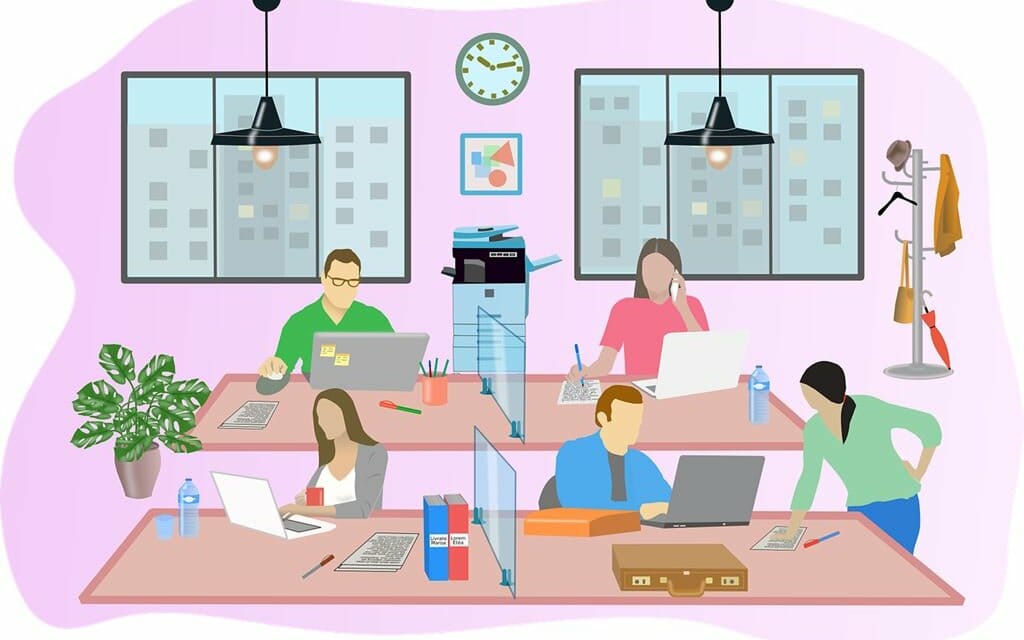
The success of any organization relies heavily on how effectively it handles its teams, schedules, and resources. As your business grows, these daily responsibilities can turn complex and time-consuming. Manual systems that worked before might now cause more delays than results. Productivity begins to dip, errors creep into your records, and employees feel the strain. These are moments when a company begins to realize that modern processes are no longer optional but necessary.
Many organizations discover that workforce management solutions become the bridge between chaos and clarity. These tools bring structure, remove human error, and keep operations steady. If your team is constantly under pressure from staffing errors, unclear communication, or manual reporting, it might be time to make a change. Below are clear signals that indicate your business needs this upgrade today.
Managers Spend More Time on Manual Tasks
When your management team spends a large part of their day running reports, approving schedules, or resolving attendance mistakes, valuable time gets wasted. Instead of analyzing performance and driving business outcomes, they end up buried in administrative work. Manual processes usually create delays and inaccuracies that slow down decision-making. A smart workforce platform eliminates these struggles by automating repetitive duties and organizing information into one view. Managers can then focus on leadership rather than clerical tasks.
Employee Scheduling Has Become a Struggle
As your company expands, coordinating shifts and ensuring fair coverage can quickly become a headache. Disorganized scheduling leads to confusion and unnecessary overtime costs. Employees may show up at the wrong time or receive schedules that conflict with personal commitments. A digital framework designed to handle these responsibilities gives transparency to everyone involved. With automated coordination, you can avoid missed shifts, reduce payroll discrepancies, and support a fair and balanced work environment.
Attendance and Time Tracking Are Inconsistent
If your current system relies on spreadsheets or outdated clock technologies, there’s a high chance of inaccuracies. Tiny errors easily build into larger payroll discrepancies that can upset both employees and administrators. Real-time insights and secure data tracking help resolve these challenges before they affect your bottom line. An updated solution keeps detailed attendance records, flags unusual patterns, and increases accountability across departments. Accurate data means reliable payroll and fewer disputes.
Communication Gaps Affect Team Efficiency
When employees lack direct access to their schedules or have no easy way to request time off, miscommunication spreads quickly. Managers receive incomplete information, and teams scramble to adjust at the last minute. This level of disorder not only hurts morale but also raises operational costs. A unified workforce platform enables clear communication through one portal. Staff members can view upcoming shifts, request changes, and see approvals immediately, minimizing confusion and improving satisfaction.
Labor Costs Keep Rising Without Clear Explanations
Uncontrolled labor costs can quietly drain profits. You may notice payroll numbers rising each month without a clear justification. Without comprehensive visibility, hidden overtime, scheduling conflicts, and poor resource allocation remain unseen. A digital workforce system reveals where extra hours occur and identifies trends that affect budgets. By having this insight, leadership can make smarter staffing decisions and maintain a balance between operational needs and financial goals.
Every successful organization reaches a stage where manual management falls short. Investing in modern workforce management solutions gives you the structure, insight, and confidence to guide your company toward consistent productivity and success. If you notice steady delays, rising costs, or low staff engagement, these symptoms point to a need for improvement. Upgrading to a connected platform gives you greater control and helps your people work smarter together.