











How New Payment Tech Is Actively Changing Our Gaming Habits

Gone are the days when gamers and punters would swipe their credit or debit cards to make a purchase. Instead, there has been a fundamental shift in the way gamers pay for their entertainment. In fact, the entire gaming ecosystem has been heavily impacted by the evolution of payment technologies, such as the emergence of decentralized finance (DeFi) and digital wallets. Large in-game purchases, microtransactions, and even competitive wagering have moved away from traditional options. In turn, this has affected how players interact with games, making them more dedicated to their respective titles and hyper-aware of potential security risks. Let’s explore.
The Emergence of Decentralized Finance in iGaming
iGaming is one sector of the gaming industry that has seen the most radical change in recent years. While video games are still in the process of integrating DeFi into their mechanics, many online gambling systems are ahead of the curve. A good example of this would be the rise in btc gambling sites, where players can make use of cryptocurrencies for depositing funds and withdrawing winnings. The core function of such platforms extends beyond just efficient transactions, but takes into account game fairness. Smart contracts are often set up to ensure access to an impressive crypto games selection where platforms will check server-side seeds for provably fair gaming.
In turn, players get bonuses and crypto cashback in the initial currency they used to deposit funds. When exploring the financial benefit, transaction fees are much lower, and speed is almost instantaneous compared to traditional payment options. As such, player habits have changed to reflect this rapid, high-speed approach, opting for fast-paced games like crypto online slots. This also builds trust among customers coming to this site, as they do not need to risk entering their sensitive banking info when there are numerous payment options available. Lastly, as these are crypto casinos, there are no KYC (Know Your Customer) requirements, offering players full anonymity.
Digital Wallets and Impulse Spending in AAA & iGaming
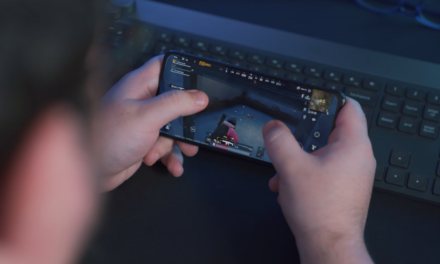
Centralized, rapid digital payment methods have given birth to “one-click” purchasing, which generally uses biometric security (Face ID or fingerprint scanning) for instant approvals. Apple Pay, Google Wallet, and Samsung Wallet are the most commonly used options, but platform-specific methods like Steam Wallet are also quite popular. With credit card data being stored for instant use, it also fuels instant spending habits. This can be seen in a multitude of ways when it comes to both gaming and iGaming.
For one, gamers will often feed directly into the microtransaction (MTX) economy of gaming in titles like Call of Duty and Fortnite. It is quite common for players to purchase Season Passes, loot boxes, and various other in-game cosmetics. The one-click purchase system makes it that much easier for these transactions to be made, and because they are all priced strategically, gamers are more inclined to pay. Think of it this way: perhaps a rare character or weapon skin is on sale (let’s say 50% off) for a limited time; as such, there will be a higher likelihood of players buying it.
It does not feel like a lot of money is being spent; therefore, it is more tempting. The same is true with iGaming, where integrated one-tap deposit features eliminate cool-off periods. Funds can be instantaneously and seamlessly topped up, especially for punters using mobile iGaming apps. In turn, the gaming session never ends, and with the presence of welcome bonuses and other cashback promotions, spending the money always seems worth it.
Ownership & Monetization: The Rise of the Real-Time Economy
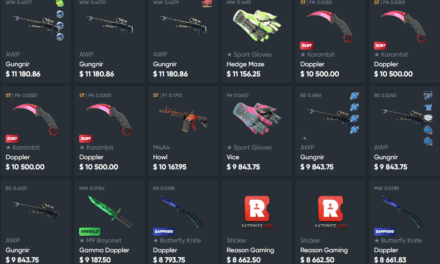
New payment tech has not just given way to instant spending, but it has also introduced the concept of digital asset ownership into the gaming realm. More specifically, P2E (Play-to-Earn) and Web3 gaming have set up a payment infrastructure that allows users to gain ownership of their in-game purchases. Simply put, players’ skins, characters, and other rare collectibles (such as the Path of Exile expansion loot drops) are eligible for direct sale/monetization, increasing the value significantly. This shifts player mindsets away from the game being just a pastime, positioning their time investment as a financial endeavor.
With iGaming, the concept is quite similar. Loyalty programs might offer rewards such as loyalty tokens that players can then use as tradable crypto assets. NFT (Non-Fungible Token) gated access means punters cannot enter specific or exclusive casino/betting rooms without token ownership. This can be thought of as a player needing to have a special key card to enter a facility. Modern payment rails have become efficient, allowing punters to utilize their earned or traded digital assets in any way they see fit.
If a gamer wanted to withdraw their winnings, it could be done in either fiat or cryptocurrency without issue. In turn, there is a huge valuation shift. No longer do players view their time spent in-game as just grinding. Instead, it is looked at through a financial lens (whether in an RPG or an online slot game) and gains inherently more value due to the shift in player approaches. It also means players are more mindful when sitting down for a gaming session, as they are now investing more than just their time.
Future-Proofing Payment: The Infrastructure of Speed and Cost
It does not stop there, however, as Open Banking and A2A (Account-to-Account) payment options are shaping the next generation of fiat payment infrastructures. This is similar to DeFi in that it offers fast settlement that bypasses traditional card network friction, lower overall fees, and instant bank verification. It is a great option for gamers and punters who are not familiar or comfortable using crypto, but still want to enjoy the benefits these decentralised currencies offer.
As game developers benefit from the use of such payment options, so do customers and storefronts. Refund/chargeback processes are optimised (made instant and seamless), and associated costs are reduced significantly. In the iGaming market, these would rival crypto payments with an alternative, trusted, instant payment and withdrawal mechanism. Currently, many regulated gambling markets are struggling to integrate crypto into their regulatory frameworks, and this solves that problem.
The Financially Fluid Gamer
In conclusion, there is a clear convergence between centralized and decentralized finance, with both providing players with the quickest, most seamless payment experience. Financial fluidity is what will continue shaping the gaming (traditional and gambling) sector, standing as the key driver behind gamer behavior shifts. Impulse spending for convenience, financial autonomy, and digital asset ownership are the defining factors of modern payment technology.