
















Why Commercial Construction Testing Plays a Critical Role in Safety
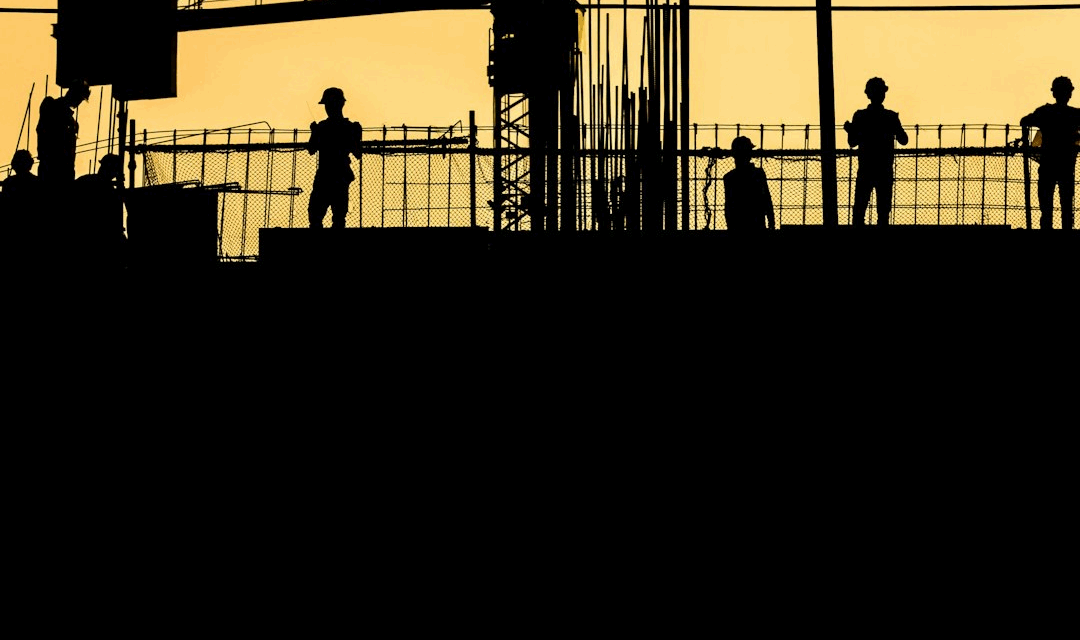
The stakes are high in commercial construction, with structural integrity directly affecting workers and the public who may use or occupy these structures once completed. Proper construction testing measures can identify potential issues before they lead to catastrophic failures.
By adhering to established testing protocols, companies can maintain compliance with safety regulations, improve project efficiency, and even protect lives. Let’s outline several reasons why commercial construction testing is a must for safety in the industry.
The Role of Structural Testing
Structural testing examines the integrity and safety of a construction project during and after the building phase. This type of testing includes load testing, which assesses whether structures can handle various weight demands. By simulating real-world conditions during the evaluation, structural tests can unveil vulnerabilities that are not immediately apparent in visual inspections. These assessments are crucial for large-scale commercial constructions where failure can have far-reaching consequences.
Obtaining precise data on a structure’s behavior allows engineers to make necessary adjustments to design and materials. The goal is a safe environment that will withstand environmental stresses and operational pressures for decades. When construction teams conduct structural testing early in the project life cycle, they are empowered to identify and prevent accidents before they happen.
Testing only reveals what materials can handle. The real question is whether you started with the right materials in the first place. Foundation components like steel piling and sheet walls must meet rigorous specifications before testing even begins. Inferior products fail under stress regardless of how thoroughly you test them afterward. Construction firms that partner with Nucor Skyline gain access to steel foundation products engineered for demanding applications from the start. Quality materials combined with proper testing create structures that perform reliably under real-world conditions for decades rather than failing prematurely under unexpected loads.
Regulatory Compliance and Industry Standards
Compliance with various regulations will maintain safety in commercial construction. Regulatory bodies establish guidelines that all construction projects must adhere to. The American Association of State Highway and Transportation Officials (AASHTO) creates a benchmark for safety and performance. Each construction project must meet various guidelines, including the use of materials that are reliable and tested for their intended purpose. The implementation of a beam mold that complies with AASHTO T23 and T97 is necessary when testing concrete, so that it meets specifications for strength and durability. Don’t forget to follow the Occupational Safety and Health Administration (OSHA) standards and local building codes.
Companies that neglect compliance jeopardize their projects and may face severe penalties and legal repercussions. Adhering to industry standards builds trust among stakeholders and end-users, reinforcing a company’s commitment to quality and safety. Compliance covers the legal obligations of building safety and contributes to a culture of responsibility and assurance throughout the industry.
Long-term Costs
Inadequate testing during construction can cause severe long-term financial consequences. When structures are not adequately tested, problems arise post-completion and necessitate expensive repairs or even complete overhauls. Well-planned testing can identify issues before they evolve into expensive repairs and save millions of dollars. Testing materials for their susceptibility to harsh weather conditions can prevent premature deterioration and extend the life of a building.
Regular performance testing enforces preventative maintenance, knowing that issues are addressed before they worsen. Investing in effective testing assures safety and reduces unexpected expenses, making it a wise financial strategy for any commercial construction project.
Increasing Accountability
Accountability is an aspect of the construction industry, primarily driven by rigorous testing standards. Having documented evidence of testing provides accountability for all stakeholders involved. Knowing that each phase of construction undergoes stringent testing fosters a shared responsibility toward safety and quality. A well-maintained testing record shields companies from potential legal repercussions.
Accountability through testing minimizes blame games during project disputes, focusing instead on proactive resolutions. Companies that prioritize accountability tend to maintain a higher level of professionalism and are better positioned for future opportunities. Establishing accountability through rigorous testing creates a culture that prioritizes quality and safety.
The Benefits of Soil Testing
Soil testing is what guarantees the success of any construction project. The properties of soil can vastly differ based on location, and understanding the types and conditions of soil can help design a safe and stable structure. Proper soil testing involves compaction, moisture content, and bearing capacity.
By identifying any potential soil issues before excavation and foundation work, construction firms can avoid settling, cracking, or catastrophic failures. Testing can determine whether soil stabilization techniques are necessary for a given site. Investing in thorough soil analysis lays a solid foundation upon which all other safety measures can be built.
Quality Control Throughout the Construction Process
In commercial construction safety, effective quality control (QC) procedures are a must. All materials and workmanship meet predetermined specifications to maintain structural integrity. A comprehensive QC program involves continuous monitoring and inspection at different phases of the construction process, from initial groundwork to the final touches. Frequent audits and tests help identify issues early before they grow into significant problems that could compromise safety.
To carry out QC procedures, train workers to help them understand quality standards, and empower them to take ownership of their tasks. By promoting a culture of quality at every level, companies can add to their safety standards and outcomes. Quality assurance creates accountability, as everyone on the construction site understands their role in delivering a safe and secure environment.
Documentation and Record-Keeping in Testing
Proper record-keeping serves multiple purposes: compliance verification, risk management, and project management. Thorough documentation captures all relevant data related to material tests, structural evaluations, and inspections, serving as a historical account for future reference. This transparency improves accountability so that any discrepancies can be traced, which may result in more informed decision-making.
Comprehensive records help facilitate communication between all stakeholders. Everyone will be informed and aligned on safety measures. Construction firms establish a systematic documentation process to improve operational efficiency and build a safety-first culture that benefits workers and safeguards the public.
Emerging Technologies in Construction Testing
Emerging technologies have begun to transform construction testing in many ways. Advancements like digital sensors, drones, and 3D modeling are becoming more prevalent in securing construction. The use of drones allows for efficient site inspections without exposing workers to hazardous conditions. Digital sensors can provide real-time data on various parameters, enabling immediate reporting and responsiveness to issues as soon as they arise. 3D modeling offers predictive insights that help engineers design safer structures by simulating how they will behave under different scenarios.
Those who choose to adopt these technologies can improve the accuracy and efficiency of their testing processes. The integration of these technologies into testing practices will revolutionize how the construction community approaches safety challenges in the future.
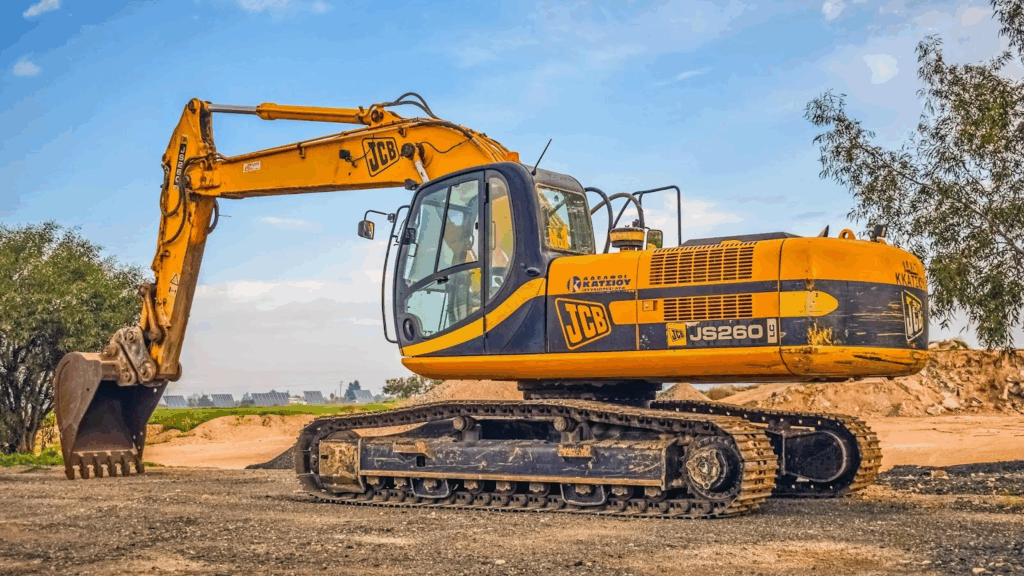
The commitment to rigorous commercial construction testing underscores its role in promoting safety throughout the building process. By prioritizing material and structural assessments, regulatory compliance, and quality control measures, the industry can make significant strides towards preventing accidents and failure.
Investing in advanced technologies and maintaining diligent record-keeping practices creates a safe environment for all involved. Identifying areas for improvement will promote a culture of safety that protects workers and the community.