
















Why LiFePO4 Batteries Are Becoming the Preferred Standard in Modern Energy Systems: A Technical Look at Safety, Efficiency, and Applications
Introduction
Over the past decade, battery technology has rapidly advanced in electronics, home energy storage, portable power stations, and electric vehicles. As safety, lifespan, and energy efficiency have become core priorities, LiFePO4 (lithium iron phosphate) batteries are gradually replacing traditional lithium chemistries. With superior thermal stability, long cycle life, and environmental safety, LiFePO4 batteries have become the preferred choice across multiple applications—from home energy storage to portable power stations. This article provides a technical analysis of LiFePO4 batteries, focusing on safety, efficiency, lifespan, and real-world applications.
1. What Is LiFePO4?
LiFePO4 batteries use lithium iron phosphate as the cathode material. Their unique crystal structure is more stable than traditional lithium batteries (such as NMC or LCO), with higher thermal decomposition temperatures and chemical stability. The Fe–P–O bonding network maintains structural integrity under high temperatures or high-rate discharge, which is the fundamental reason LiFePO4 resists thermal runaway. This chemical stability gives LiFePO4 batteries a significant advantage in applications requiring safety and long lifespan.
2. Four Key Technical Advantages of LiFePO4 Batteries
2.1. Higher Safety and Thermal Stability
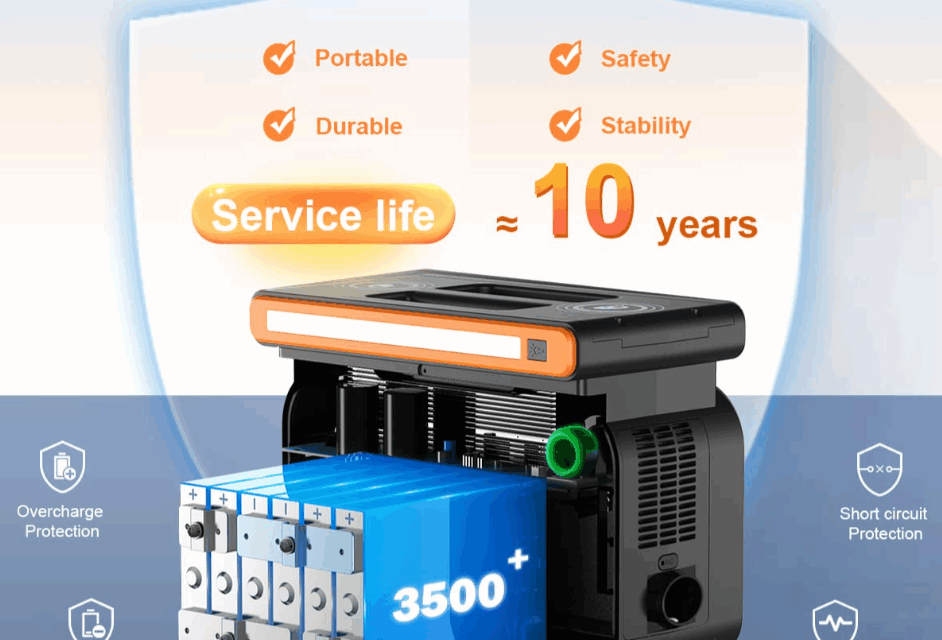
One of the greatest advantages of LiFePO4 batteries is their strong resistance to thermal runaway. Their structure remains stable under high temperatures, and they react gently under short circuits, overcharging, or mechanical damage. A comparative study published in the Journal of Energy Storage shows that LiFePO4 batteries have higher thermal runaway onset temperatures and lower total heat release than traditional NMC batteries. This indicates that the chemical system inherently provides higher safety margins and thermal stability, making LiFePO4 batteries safer and more reliable for home energy storage and outdoor portable applications. Many portable energy products also include multi-layer Battery Management Systems (BMS), which further enhance safety through temperature control, overcurrent protection, and short-circuit prevention.
2.2. Ultra-Long Cycle Life
The strong Fe–P–O bonds and minimal structural changes during cycling allow LiFePO4 batteries to maintain low capacity degradation even after thousands of cycles. Typical cycle life ranges from 3,000–6,000 cycles, a significant improvement over NMC/LCO batteries, which typically last 500–1,000 cycles. Because LiFePO4 batteries maintain stable capacity even under high-rate discharge, they are ideal for solar home energy storage, portable power stations, and industrial UPS systems.
2.3. High Efficiency and Voltage Stability
LiFePO4 batteries feature a stable voltage platform with a round-trip efficiency of approximately 90–95%, minimizing energy loss. The stable voltage output and high discharge efficiency make them ideal for high-power applications and continuous supply scenarios, such as portable power stations and inverter systems.
2.4. Environmentally Friendly
LiFePO4 batteries are free of cobalt and nickel, reducing environmental and supply chain risks. Their eco-friendliness and low material toxicity make them an ideal choice for sustainable energy solutions, suitable for both residential and commercial energy storage systems.
3. Real-World Applications
3.1. Portable Power and Outdoor Storage
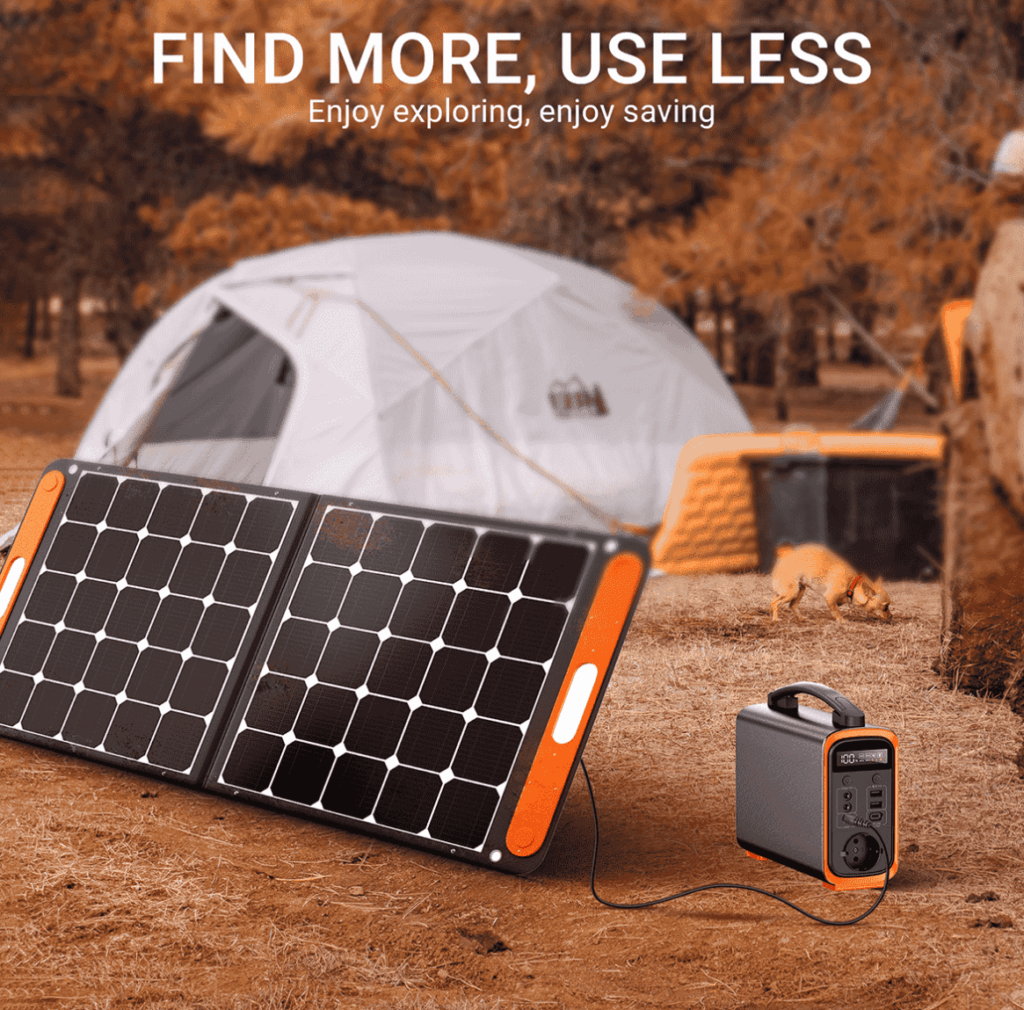
For camping, outdoor photography, mobile offices, or emergency rescue, device safety and durability are critical. With excellent thermal stability and safety, LiFePO4 batteries are the ideal choice for portable power stations. For instance, PiForz portable energy products use LiFePO4 cells across the line, ensuring stability and reliability even under long-term high-load usage.
3.2 Home Energy Storage and Solar Systems
With the growing adoption of residential solar, LiFePO4 is gradually becoming the mainstream choice for home energy storage. Its long cycle life and high charge/discharge efficiency allow seamless integration with solar systems—storing excess energy during the day and using it at night or during outages. Although initial investment is slightly higher, low replacement frequency and maintenance costs make the overall value
superior over time.
3.3 Industrial and Commercial UPS Systems
In data centers, factories, and communication base stations, where power reliability is critical, LiFePO4 batteries are gradually replacing traditional lead-acid and some NMC batteries. Their high stability, low maintenance cost, and long cycle life provide durable backup power for critical equipment.
3.4 Electric Transportation and Light EVs
LiFePO4 batteries are widely used in light electric vehicles, Automated Guided Vehicles (AGVs), and logistics transport tools. High safety, durability, and stable low-temperature performance make LiFePO4 the default battery chemistry for the next generation of light EVs.
4. Conclusion
Thanks to their high safety, long lifespan, high efficiency, and environmental benefits, LiFePO4 batteries are gradually becoming the standard in modern energy systems. From portable power stations and home energy storage to industrial UPS and light EVs, the technical advantages of LiFePO4 are driving upgrades across energy applications. Brands like PiForz, by adopting LiFePO4 technology in real products, demonstrate that this chemistry is rapidly transitioning from niche to mainstream.
As energy systems evolve toward intelligence, decentralization, and sustainability, the reliability and durability of LiFePO4 batteries will continue to solidify their role in modern energy technology.