








How To Find The Best IPTV Provider For Your Home Theater Setup In 2026
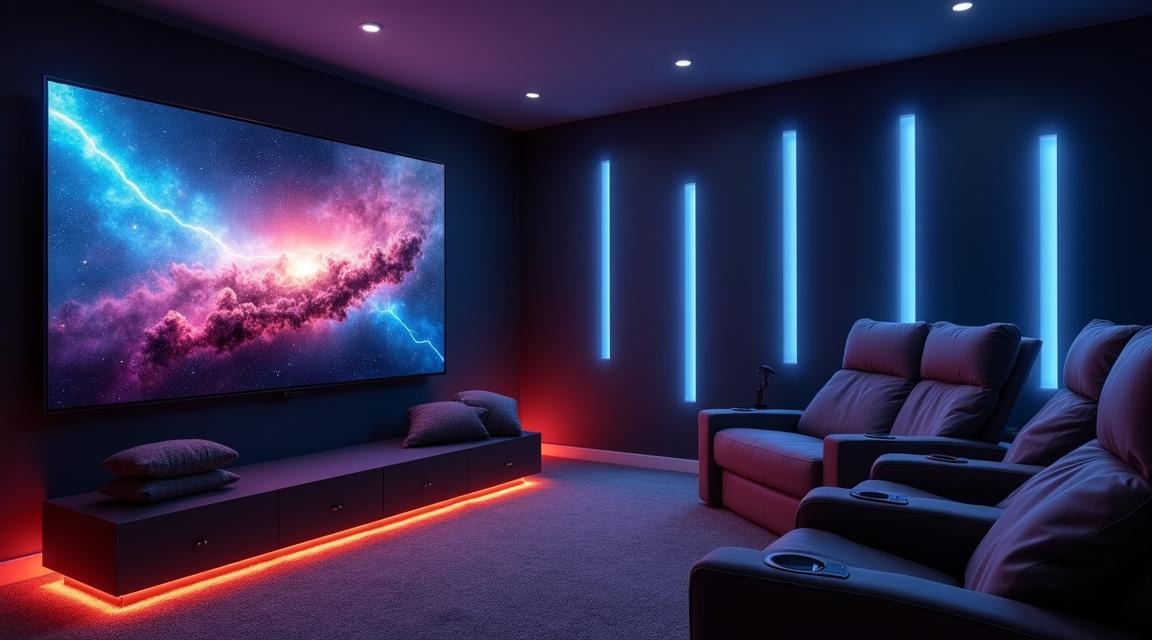
Setting up a home theater is one of the most rewarding upgrades you can make to your living space. But choosing the right IPTV provider to power that setup can feel overwhelming given how many options are available in 2026. This guide walks you through the most important factors to consider so you can get reliable streaming, sharp picture quality, and access to the channels and content that matter to you.
What IPTV Actually Means and How It Works
IPTV stands for Internet Protocol Television. Unlike traditional cable or satellite TV, which delivers content through coaxial cables or radio signals, IPTV streams video content directly over your internet connection. This means you need a stable broadband connection rather than a physical cable hookup.
There are three main types of IPTV services. Live IPTV streams channels in real time, similar to traditional TV. Time-shifted IPTV lets you watch previously aired content on your schedule. Video on demand (VOD) gives you a library of movies and shows to browse whenever you want. Most modern providers offer a combination of all three.
Why Home Theater Owners Are Moving to IPTV
Cable and satellite packages have become increasingly expensive, with many households paying over $100 per month for bundles filled with channels they never watch. IPTV providers typically offer more flexible pricing, letting you choose packages that focus on the content you actually care about.
For home theater enthusiasts specifically, IPTV opens up access to 4K and HDR content streams that many cable providers still do not support natively. When you are looking for the best IPTV provider for your setup, it is worth prioritizing services that support high-resolution output and surround sound passthrough to take full advantage of your equipment.
Key Features To Evaluate Before Subscribing
Not all IPTV services are created equal. Before committing to a subscription, you should evaluate several core features that directly impact your viewing experience at home.
- Channel count and variety: Look for providers that offer a wide range of live channels including sports, news, entertainment, and international programming.
- Video quality: The best services support 1080p and 4K streams. Ask whether HDR10 or Dolby Vision is supported.
- Device compatibility: Confirm that the service works on your preferred devices such as Apple TV, Amazon Fire Stick, Nvidia Shield, or smart TVs.
- Electronic Program Guide (EPG): A well-organized channel guide makes it much easier to find what you want to watch.
- Catch-up and DVR: Some providers include cloud DVR or catch-up features that let you record or replay recent broadcasts.
Internet Speed Requirements for Smooth Streaming
Your internet connection is the backbone of any IPTV setup. If your bandwidth is too low, you will experience buffering, pixelation, and audio sync issues that ruin the home theater experience.
For standard definition streams, you need at least 3 to 5 Mbps. High definition content requires 10 to 15 Mbps. If you plan to stream 4K content, aim for at least 25 Mbps dedicated to your streaming device. If multiple people in your household stream simultaneously, you will need more bandwidth overall. A wired Ethernet connection to your streaming device is always preferable to Wi-Fi for consistent performance.
Comparing IPTV Delivery Methods
Understanding the differences between IPTV delivery methods helps you decide which approach fits your home theater goals.
| Feature | Live IPTV | Time-Shifted IPTV | Video on Demand |
| Content Type | Real-time broadcast | Previously aired shows | On-demand library |
| Scheduling | Fixed broadcast times | Flexible replay window | Watch anytime |
| Best For | Sports, news, events | Catching missed shows | Movies, series binging |
| 4K Availability | Varies by provider | Limited | Widely available |
| Storage Needed | None | Cloud-based | None (streamed) |
Setting Up Your Home Theater for IPTV
Once you have selected a provider, the physical setup matters just as much. Start with your display. A 4K television or projector with HDR support will let you take advantage of the highest quality streams available. Pair that with a soundbar or surround sound system that supports Dolby Atmos or DTS:X for immersive audio.
Your streaming device is the bridge between the IPTV service and your display. Devices like the Nvidia Shield Pro and Apple TV 4K are popular choices because they handle high-bitrate streams without stuttering. For more details on what hardware reviewers recommend, check out top streaming devices for home entertainment which covers the latest options available.
Avoiding Common Pitfalls When Choosing a Provider
One of the biggest mistakes new IPTV users make is signing up for a long-term subscription without testing the service first. Reputable providers offer trial periods or short-term plans. Take advantage of these to test channel reliability, stream quality, and customer support responsiveness before committing.
Watch out for providers that promise thousands of channels at suspiciously low prices. If the deal sounds too good to be true, the service may be unreliable or operate in a legal gray area. Stick with providers that are transparent about their content licensing and have verifiable customer reviews.
The same principle applies to any digital subscription you consider. When exploring premium digital subscriptions and features, it pays to research the value and reliability of what you are getting before spending money.
Future Trends in IPTV for Home Entertainment
The IPTV landscape continues to evolve. Providers are increasingly integrating AI-powered content recommendations, improved compression algorithms that deliver better quality at lower bandwidths, and more interactive features like multi-view for sports events. As 8K displays become more common, expect IPTV services to begin supporting those resolutions as well.
Another trend to watch is the bundling of IPTV with other smart home services. Some providers are exploring partnerships with home automation platforms, allowing you to control your entertainment system alongside your lighting, thermostat, and security cameras from a single interface.
Frequently Asked Questions
- Do I need special hardware for IPTV?: No. Most IPTV services work on popular streaming devices, smart TVs, smartphones, and computers. A dedicated streaming box like Nvidia Shield or Apple TV 4K offers the best performance for home theaters.
- Is IPTV legal?: IPTV technology itself is completely legal. The legality depends on whether the provider has proper licensing for the content it distributes. Always choose providers that operate transparently.
- Can I use IPTV with a projector?: Yes. As long as your projector connects to a streaming device via HDMI, IPTV works the same way it would on a television.
- What happens if my internet goes down?: Unlike cable, IPTV requires an active internet connection. If your internet drops, your streams stop. A backup mobile hotspot can help in emergencies.
Key Takeaways
- IPTV delivers television over your internet connection and offers more flexibility than cable or satellite.
- Prioritize providers that support 4K, HDR, and surround sound for the best home theater experience.
- Test any service with a trial period before committing to a long-term plan.
- A wired Ethernet connection and at least 25 Mbps bandwidth are recommended for 4K streaming.
- Research provider licensing and reviews to avoid unreliable services.