














4K Dash Cams: Are High-Res Optics Essential for Fleets?
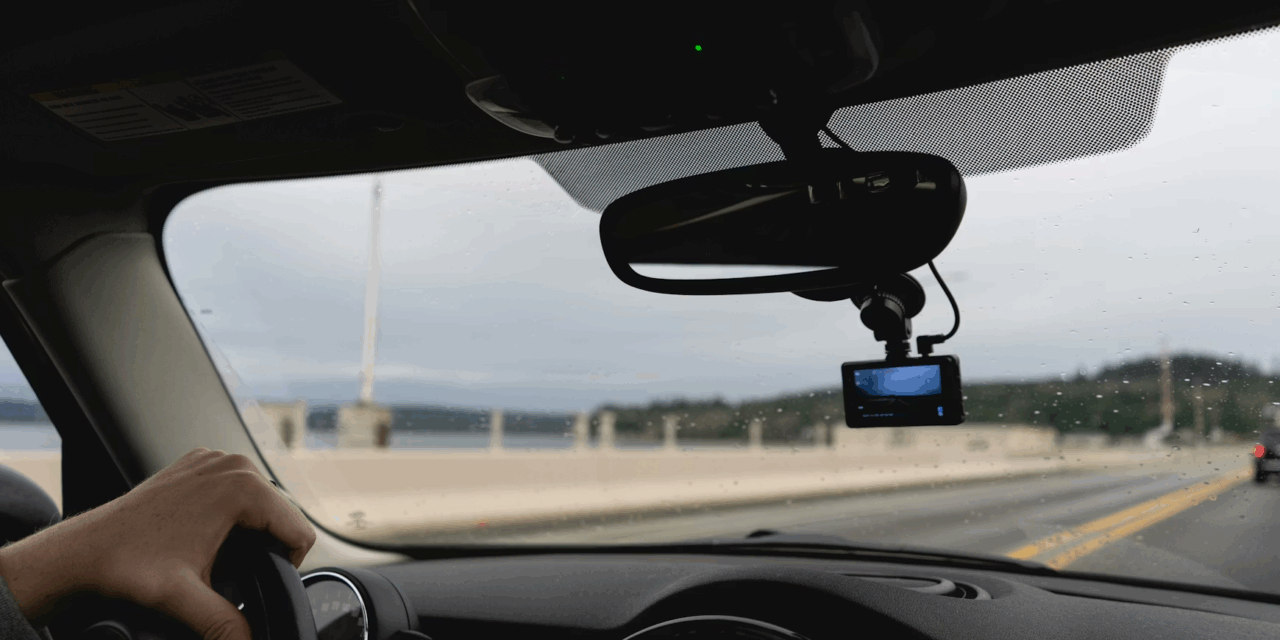
Dash cams have come a long way from the grainy footage of the past. Fleet owners now face a choice between standard 1080p models and the newer 4K versions hitting the market.
High resolution sounds like a luxury, but it often makes the difference between seeing a license plate and seeing a blur. We will look at whether these high-res optics are actually a necessity for modern commercial operations.
Clarity For Incident Reporting
Accidents happen fast, and small details change everything. A blurry image might hide the fact that a driver was on their phone or that a signal was red. Clear video helps clear up these disputes quickly.
Fleet managers need to know that their drivers are safe on the road. The team behind CommercialDashcams.com says that driver protection is a primary reason to invest in better hardware. Having high-quality video means the legal team has solid evidence from the start.
Professional drivers deal with risky situations every day. Having a reliable witness in the cab provides a layer of security. High-resolution sensors capture the environment with much better precision than older tech.
Capturing More Visual Data
Every frame of video tells a story about the road conditions and surroundings. If the image is pixelated, you miss out on the context needed for a fair review. More data allows for better zooming without losing the image quality.
One tech review explained that a 4K camera captures 4 times the amount of visual data in every single frame.
Detailed visuals are useful for training purposes. Managers can show drivers exactly what went wrong in a near-miss situation. Clearer pictures make these lessons much more effective for the whole team.
Technical Specs Of Modern Sensors
Understanding the numbers behind the cameras helps in making a better purchase. Higher resolution means more pixels packed into the same sensor area. These sensors work hard to process light and motion at high speeds.
A market report noted that 4K resolution provides 3840×2160 pixels, approximately 8.3 megapixels per frame. Higher pixel counts lead to better clarity in various lighting conditions.
Modern chips process these pixels without slowing down the frame rate. You get a smooth video that looks professional and clean.
Cost Savings On Injury Claims
Safety is the biggest priority for any fleet manager. Avoiding crashes keeps drivers safe and keeps the business running smoothly. The financial impact of a single incident can be devastating for a small or medium-sized company.
A fleet management blog mentioned that preventing one injury crash costs $148,279 on average. Investing in better cameras is a small price to pay to avoid these massive legal and medical expenses. A clearer video can help identify risky behaviors before they lead to a major accident.
Insurance companies often offer better rates to fleets with high-quality monitoring. Showing that you take safety seriously can lower your monthly premiums.
Managing Large Video Files
Higher resolution means larger files that need more storage space. You need to think about how your system handles these massive amounts of data. High-speed SD cards and cloud storage are often needed for 4K systems.
- High-resolution files require fast writing speeds for the memory cards.
- Cloud storage costs might increase with larger uploads from the trucks.
- Compression tools can help manage the file sizes without losing quality.
- Older playback devices might struggle with the high bitrates of 4K video.
Modern software handles these challenges much better than older systems. Most platforms now offer automatic clipping, so you only save the key parts of the trip.
File management is a key part of maintaining a fleet. You need a system that can handle the bandwidth of multiple trucks. Once you have the right setup, the benefits of 4K outweigh the storage needs.
Value For Managers
Buying cheap cameras often leads to higher costs later. Low-res optics might fail to capture the one frame you need most. Upgrading to 4K makes your fleet ready for the future of road safety.
Hardware lasts longer when it is built to higher standards. 4K sensors are becoming the industry standard, so parts and support will be easier to find. Choosing high-quality gear now saves the headache of replacing outdated tech in a few years.
Managers can sleep better knowing their drivers are protected by the best possible tech. High resolution is no longer just for movies \u002d it is a tool for professional safety.
Consistency in your equipment helps with maintenance. Having the same high-res cameras across the fleet makes training easier. Everyone knows what to expect from the video quality and the software interface.

Investing In Future-Proof Tech
The world is moving toward more automation and AI. These systems rely on clear visual data to make the right decisions. A 4K camera provides the best foundation for future software updates.
Better optics help with driver coaching programs. When a driver can see exactly what happened in 4K, they are more likely to accept the feedback.
Safety tech is an investment in the people who drive for you. Showing them that you care about their safety helps with driver retention.
Investing in 4K dash cams is a strategic move for any serious fleet. Better resolution means better protection for your drivers and your bottom line. Standard cameras work for basic needs, and the extra detail in 4K is often worth the cost.