















The Role of Technology in Industrial Asset Management
Management
Organizations are continually seeking methodologies and tools to boost the efficiency and effectiveness of managing their assets and operations. Technology is not simply an addition to the industrial environment: it enables better decision-making, optimizing resource usage, and checking if the assets are effectively monitored and maintained.
Understand how technology influences asset management. Companies that embrace these technologies are better positioned to leverage their assets to achieve their operational goals. Keep reading to learn more.
Automation and Data Collection
Automation impacts the efficiency of industrial asset management. Through automated systems, data collection from assets becomes seamless and continuous. The relentless gathering of information empowers organizations to analyze performance, detect anomalies, and anticipate maintenance requirements before they lead to costly downtimes. Automated systems reduce human error so that data integrity is maintained. With reliable data at hand, companies can make informed decisions regarding asset allocation, usage optimization, and strategy.
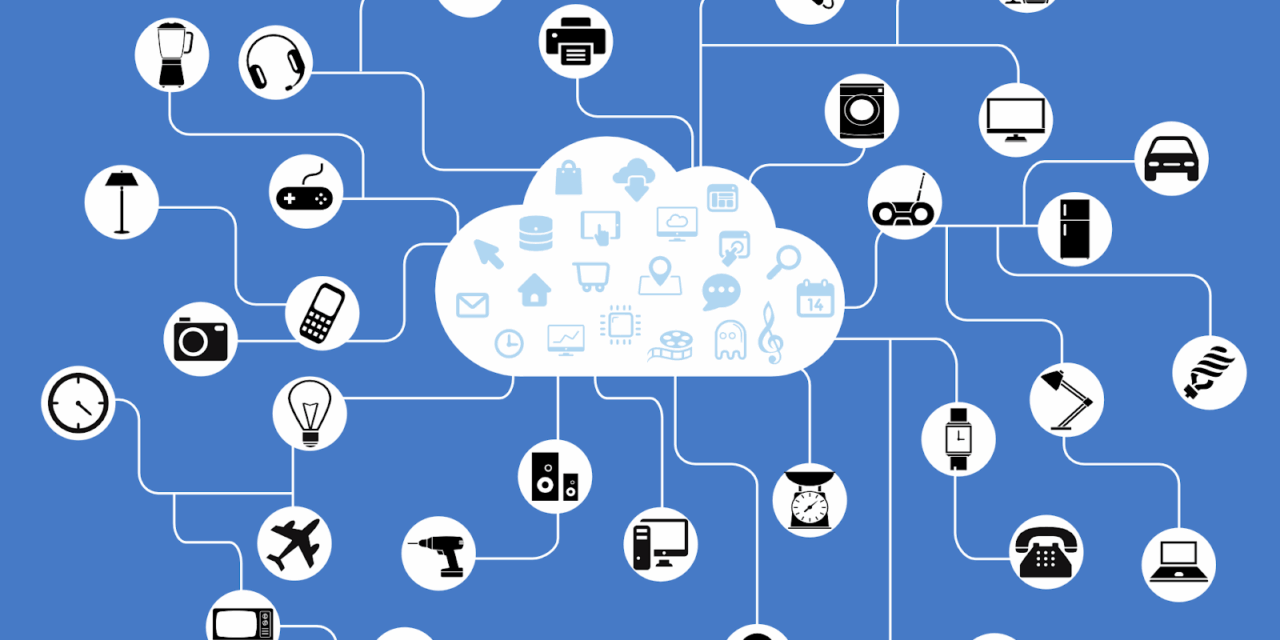
Technologies like the Internet of Things (IoT) add to the automation of asset data collection, allowing for real-time updates and insights. The integration of real-time location tracking like Pozyx revolutionizes industrial asset tracking, and companies improve their operational visibility. The combined benefits of automation and sophisticated tracking systems enable industries to improve their asset utilization and service delivery. As organizations harness these innovations, they can align their operational capabilities with business objectives, resulting in improved productivity and minimized operational risks.
Predictive Maintenance and Analytics
The most significant contribution of technology to industrial asset management is the adoption of predictive maintenance practices. By leveraging advanced analytics and machine learning algorithms, companies can predict when machines are likely to fail or require maintenance. This foresight helps avoid emergency repairs and the potential downtimes associated with unexpected asset failures, maximizing productivity and minimizing costs.
Predictive maintenance relies heavily on data gathered from the assets themselves, historical maintenance records, and operational patterns. Industries can employ various analytics tools to understand these data sets better. Data mining and predictive modeling allow organizations to identify trends and patterns that can inform maintenance schedules. Predictive maintenance promotes a culture of managing assets proactively rather than reactively. Companies that invest in such technologies safeguard their assets and experience improved efficiency in an industrial setting. Using predictive analytics engenders an opportunity to improve inventory management. Maintenance teams can receive alerts when parts need replenishment based on asset usage patterns so that they have the right tools and resources to carry out their work efficiently.
Real-Time Monitoring Systems
For effective industrial asset management, real-time monitoring systems provide constant visibility into asset performance metrics, allowing organizations to respond rapidly to any signs of inefficiency or failure. Utilizing sensors and data dashboards, industries can access a multitude of data points at any moment. This level of visibility improves operational decision-making and resource optimization efforts.
The effectiveness of real-time monitoring is rooted in its ability to support immediate corrective actions. When anomalies are detected within an asset’s operations, managers can implement fixes before minor issues evolve into major faults. Real-time data analytics enriches understanding surrounding asset use. Organizations gain insights into utilization rates, working conditions, and potential stress factors affecting performance. By employing this technology, businesses improve their overall competency in managing assets while also enhancing longevity and reducing depreciation.
Improved Supply Chain Management
The integration of technology in industrial asset management extends to the supply chain. Digital tools improve operational efficiency by assuring that assets are utilized appropriately throughout the supply chain process. Blockchain, artificial intelligence, and IoT devices facilitate better communication and transparency between supply chain partners. This synchronization enables organizations to streamline operations, automate reordering, and accurately track inventory levels.
Interconnected technologies help in risk management. With real-time insights into asset conditions and supply chain fluctuations, companies can anticipate challenges and devise contingency plans. These proactive measures can dramatically improve resilience against disruptions. Improved visibility into supply chain performance allows businesses to optimize logistics strategies. Organizations can reduce lead times and delivery errors and pass on efficiencies to consumers.
Cloud Computing and Asset Management
Cloud computing is revolutionizing how organizations manage their assets. By moving databases and applications to the cloud, companies enable remote access and collaborative capabilities that traditional on-premises infrastructure cannot match. Cloud-based asset management solutions offer scalability so that organizations can adapt their capabilities according to demand without incurring considerable upfront investments.
Collaborative environments stimulate teamwork and improve the management of assets by breaking down silos that could hinder operational efficiency. Many cloud providers offer advanced security features that protect sensitive data from unauthorized access. Companies can quickly be notified about security incidents and respond more rapidly, reducing the risk of damage related to cyber threats.
Cybersecurity Measures in Asset Management
Organizations must protect valuable asset data from external threats that could jeopardize operational integrity. With growing concerns about data breaches and cyber-attacks, industrial firms are investing in robust cybersecurity measures tailored to their operational environments. Network monitoring, data encryption, and user access controls can all protect sensitive asset information.
Companies should regularly assess their security protocols to meet industry standards. Training employees on the importance of cybersecurity in asset management can reinforce these measures and create a culture of vigilance and awareness.
The Future of Technology in Industrial Asset Management
The future of industrial asset management is exciting. Artificial intelligence, machine learning, and advanced analytics are expected to level up the game in industrial asset management. These advancements will drive innovations further and enable smarter operational processes and responsive asset management systems. As automation becomes more prevalent, we will see an increase in autonomous systems capable of self-monitoring and self-maintenance.
Coupled with improved data analysis capabilities, organizations will possess tools that can identify and assess asset performance in ways previously unimaginable. The combination of these technologies will boost operational decision-making, streamline processes, and minimize risks associated with asset management. The proliferation of smart devices and the IoT will continue to enable improved real-time tracking and management of assets across diverse environments.

Organizations must remain adaptive and proactive in their approaches. Embracing automation, real-time monitoring, and predictive analytics will greatly increase efficiency and help mitigate risks. By staying ahead of technological trends and implementing robust cybersecurity measures, companies will manage their assets more effectively and drive long-term success.