










How to Create a Viral AI Short Film in 2026: Step-by-Step Guide
AI filmmaking has evolved far beyond simple text to video experiments.
In 2026, creators are producing AI-generated short films that attract millions of views across YouTube Shorts, TikTok, Instagram Reels, and other short-form platforms. What once required professional film crews, expensive cameras, and months of production can now be achieved with AI-powered workflows.
The biggest shift is not just better visuals. Modern AI tools can assist with ideation, scripting, character design, scene generation, editing, voiceovers, music, and even content optimization for social media.
As a result, independent creators, marketers, and storytellers can now compete with production studios in ways that were impossible just a few years ago.
In this guide, you’ll learn how to create a viral AI short film from idea to final release using the latest AI filmmaking process.
Why AI Short Films Are Exploding in Popularity
Short-form video remains the dominant content format across social media.
At the same time, audiences are becoming increasingly interested in AI-generated stories, cinematic visuals, alternate realities, and imaginative worlds that would be difficult or expensive to create through traditional filmmaking.
Several factors make AI short films particularly effective:
- Lower production costs
- Faster content creation cycles
- Unlimited creative possibilities
- Easy experimentation with multiple concepts
- Ability to produce cinematic visuals without filming equipment
The creators gaining the most attention are not necessarily those with the largest budgets. They are often the ones who can combine storytelling, emotion, and AI generated content into highly engaging short-form content.
What Makes an AI Short Film Go Viral?
A Strong Hook in the First Few Seconds
Most viewers decide whether to continue watching within the first three seconds.
Successful AI short films often begin with:
- A shocking visual
- An impossible scenario
- A mystery
- A dramatic question
- An emotional moment
The opening scene should immediately make viewers curious about what happens next.
Visual Consistency
One of the biggest mistakes beginners make is generating scenes that look unrelated.
A viral short film feels cohesive. Characters, color palettes, environments, and visual styles should remain consistent throughout the story.
This helps viewers stay immersed and makes the content feel more professional.
Fast-Paced Storytelling
Short films don’t have time for unnecessary scenes.
Every shot should push the story forward.
The most successful AI creators often structure their films around:
- Setup
- Conflict
- Twist
- Resolution
Even a 60-second video can follow this structure effectively.
Emotional Impact
People rarely share videos because they are technically impressive.
They share videos because they feel something.
Whether it’s surprise, fear, inspiration, sadness, curiosity, or excitement, emotional engagement is often the difference between a video that gets ignored and one that reaches millions.
Essential AI Tools for AI Filmmaking
AI Writing Assistants
Before generating visuals, creators need a compelling story.
Tools like ChatGPT, Claude, and Gemini can help:
- Brainstorm concepts
- Create plot outlines
- Write dialogue
- Improve pacing
- Develop character arcs
These tools significantly reduce the time required for script development.
AI Image Generation Tools
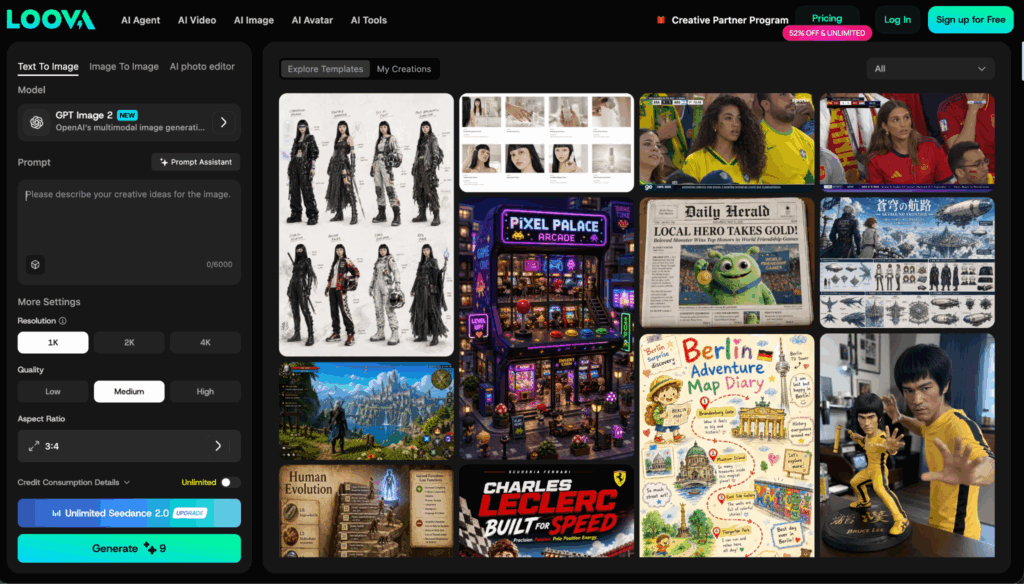
AI image generator helps to create:
- Character references
- Storyboards
- Key scenes
- Environment concepts
- Visual style guides
Many creators build an entire visual identity before generating any video footage.
AI Video Generators
Video generation models transform static ideas into moving scenes.
Common processes include:
- AI text to video generation
- AI image to video animation
- AI scene expansion
- Visual effects enhancement
This stage forms the foundation of the final short film.
All-in-One AI Creation Platforms
Managing multiple AI tools can quickly become overwhelming.
Many creators now use integrated AI platforms that combine generation, and editing in one place.
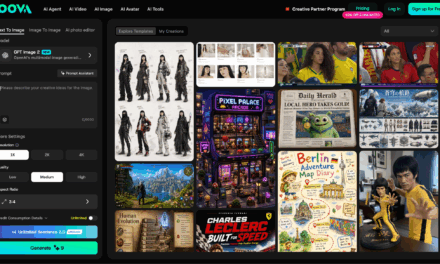
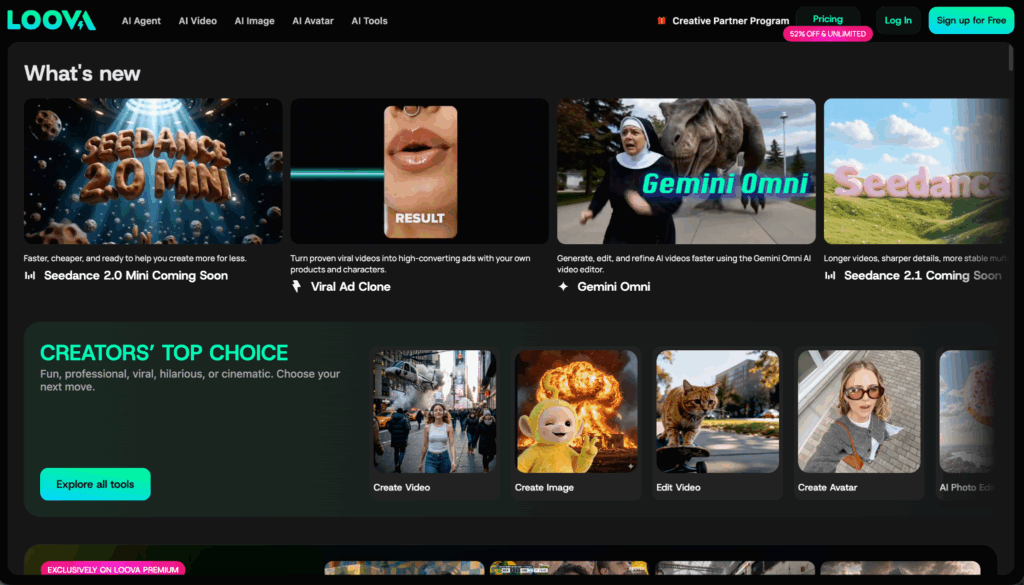
For example, Loova helps creators access multiple leading AI models through a unified workflow, making it easier to experiment with different styles and production approaches without constantly switching platforms.
Step-by-Step Guide to Creating a Viral AI Short Film
Step 1: Find a High-Concept Story Idea
The most successful AI short films often start with a simple but powerful concept.
Examples include:
- Humanity’s final day on Earth
- A robot discovering emotions
- Time freezing for one minute
- Parallel universes colliding
- AI becoming self-aware
The idea should be easy to understand but rich enough to generate curiosity.
A useful test is:
“Can someone understand the premise in one sentence?”
If yes, it’s usually a strong foundation.
Step 2: Write a Short but Impactful Script
Instead of creating a full-length screenplay, focus on a concise narrative.
For a one-minute AI short film:
- Hook (0–10 seconds)
- Conflict (10–40 seconds)
- Climax (40–55 seconds)
- Ending (55–60 seconds)
Keeping the story simple often improves audience retention.
Step 3: Design Consistent Characters
Character consistency remains one of the most important aspects of AI filmmaking.
Create detailed character reference sets that include:
- Facial features
- Clothing
- Expressions
- Lighting variations
- Different camera angles
These references help maintain visual continuity throughout the film.
Step 4: Build the Film’s World
The environment plays a major role in audience immersion.
Depending on your story, you might create:
- Cyberpunk cities
- Post-apocalyptic landscapes
- Alien planets
- Futuristic laboratories
- Historical settings
Think of this stage as virtual location scouting.
The stronger the environment design, the more believable the story becomes.
Step 5: Create Key Story Frames
Before generating videos, establish the most important moments visually.
Typical key frames include:
- Opening scene
- First major conflict
- Emotional turning point
- Climax
- Final reveal
These key frames act as a blueprint for the entire production.
Step 6: Generate Video Sequences
Once the storyboard is complete, begin generating motion scenes.
Creators typically:
- Convert prompts into video clips
- Animate key frames
- Create transitions between scenes
- Experiment with different camera movements
This stage often requires multiple iterations to achieve the desired quality.
Step 7: Edit and Polish the Film
The final edit determines how professional the short film feels.
AI editing tools can assist with:
- Scene sequencing
- Voice generation
- Sound design
- Subtitle creation
- Background music
- Color grading
- Visual cleanup
Even the best AI-generated footage benefits from thoughtful editing decisions.
Example: Creating a Viral AI Time Travel Thriller
To see how the process works in practice, let’s create a fictional AI short film.
Story Concept
A teenager discovers a device that allows him to relive any moment from the past.
However, every change he makes erases part of his future.
Character Creation
The protagonist requires:
- Modern casual clothing
- Distinct facial features
- Multiple emotional expressions
- Consistent appearance across timelines
The mysterious inventor who built the device serves as the secondary character.
Environment Design
The story takes place across:
- A suburban neighborhood
- An abandoned laboratory
- Alternate future versions of the city
- A collapsing timeline environment
Each setting visually reflects the consequences of time manipulation.
Key Story Moments
Important frames include:
- Discovery of the device
- First successful time jump
- Unexpected timeline change
- Future reality collapse
- Final sacrifice
These moments form the narrative backbone of the film.
Video Production
AI video generation creates:
- Time distortion effects
- Environmental transformations
- Emotional character moments
- Dynamic camera movements
The result feels similar to a condensed science-fiction blockbuster designed for short-form platforms.
Advanced Tips for Higher-Quality AI Short Films
Use Layered Visual Composition
Scenes become more cinematic when they contain:
- Foreground elements
- Midground subjects
- Background details
Layering creates depth and improves realism.
Maintain Style Consistency
Use the same visual references, prompts, and aesthetic guidelines throughout the project.
Consistency helps establish a recognizable visual identity.
Optimize for Mobile Viewing
Most viral AI short films are consumed on mobile devices.
Ensure:
- Key subjects remain centered
- Text remains readable
- Important actions happen clearly within the frame
Iterate Aggressively
The first generation is rarely the best generation.
Successful creators often regenerate scenes multiple times before selecting final outputs.
Iteration remains one of the most effective ways to improve quality.
The Future of AI Short Film Creation
The next generation of AI filmmaking tools will become increasingly autonomous.
AI agents are expected to manage larger portions of production workflows, including:
- Story development
- Storyboarding
- Character management
- Multi-scene consistency
- Voice acting
- Editing
- Publishing optimization
We are also seeing rapid improvements in:
- Long-form character consistency
- Realistic physics simulation
- Natural facial animation
- Advanced camera control
- Multi-character interactions
- Narrative understanding
As these capabilities improve, independent creators will gain access to production quality that was previously available only to major studios.
Final Thoughts
Creating a viral AI short film in 2026 is no longer about mastering complicated filmmaking software or assembling large production teams.
The real advantage comes from combining creativity, storytelling, and AI-powered tools into a streamlined workflow.
Start with a compelling concept. Build consistent characters. Design immersive worlds. Structure emotional story beats. Then refine every scene through iteration.
AI can dramatically accelerate production, but memorable stories still come from human imagination.
Creators who learn how to blend both will be best positioned to succeed in the next generation of AI filmmaking.
FAQ
How long should an AI short film be?
Most successful AI short films range from 3 to 10 minutes, depending on the platform and storytelling style.
Can beginners create viral AI short films?
Yes. Modern AI tools significantly reduce technical barriers, allowing beginners to produce impressive visual content without filmmaking experience.
What genre works best for AI short films?
Science fiction, fantasy, mystery, dystopian stories, and emotional narratives tend to perform particularly well because AI can generate visually striking scenes that are difficult to film traditionally.
Do I need multiple AI tools?
Not necessarily. While some creators combine several specialized tools, integrated platforms can simplify the workflow and reduce production complexity.
What matters more: visuals or story?
Story usually wins. Strong visuals may attract viewers initially, but storytelling is what drives engagement, retention, and sharing.
Can AI generate an entire short film automatically?
AI can automate much of the production process, but human guidance remains important for storytelling, creative direction, pacing, and emotional impact.