















How to Improve Visibility and Safety Across Demanding Work Environments

Staying productive in rough, busy job sites starts with what everyone can see. Good lighting reduces mistakes, protects crews, and keeps projects on schedule. The trick is balancing brightness, glare, and durability so people can work fast without extra risk. This guide breaks down practical steps you can use on construction sites, plants, terminals, yards, and other demanding environments.
Know The Baseline: How Much Light Is Enough?
Start by meeting the minimums, then tune for the task. General areas need lower levels than precision work. Vehicle lanes and pedestrian paths need consistent light so eyes can track movement without strain. If an area looks patchy or workers carry extra flashlights, you’re likely below target.
Standards give you a floor to stand on. Federal construction rules specify minimum illumination for different activities, including 5 foot-candles for general construction areas, which helps you define acceptable brightness before you tweak for glare and contrast. An OSHA reference to 29 CFR 1926.56 and Table D-3 is a useful anchor for audits and toolbox talks.
Make Light without Glare
Glare steals detail and slows decisions. The goal is bright work surfaces with low brightness in the line of sight. Aim fixtures so people never stare into the source. Keep lights above or behind workers and out of the driver’s sightlines. If you can see exposed lamps from the main approach, you’ll get complaints and near-misses.
A national work zone guide highlights that different lighting types and layouts can be chosen and adjusted to cut glare for both motorists and crews, which is vital on active roads and logistics aprons. Think about what drivers see at 50 km/h and what an operator sees from a cab. You want faces and hands lit, shadows softened, and no blinding hotspots.
Quick glare fixes you can do today
- Raise the mounting height to widen the beam and soften contrasts
- Use shields or visors to block direct view of the lamp from approach angles
- Cross-aim pairs of lights so shadows fill in from opposite sides
- Keep light out of windshields and reflective signage with precise tilt
- Avoid over-lighting reflective wet surfaces after rain or washdowns
Choose Robust Gear for Harsh Conditions
Dust, moisture, vibration, and cold will test every fixture. Pick housings with tight seals, sturdy brackets, and impact resistance. Cable strain relief and weatherproof connectors prevent nuisance outages. In salty air or chemical zones, look for corrosion-resistant finishes and hardware. Heat sinks should shed grime and still cool the driver.
Think about the duty cycle. Long night shifts, quick restarts, and frequent moves can stress flimsy products. It’s better to overbuild where forklifts operate, cranes swing, and trucks turn. Fewer failures mean fewer climbs and less downtime.
Match The Source To The Job
Different sources excel in different roles. High bays in tall structures have one set of needs, while temporary mast lights or low-mounted task lights have another. You want high lumen output where you must flood large areas, and tight beams where you guide a task or lane. Portable towers are great for spread-out sites. For fixed stations,HID lights can deliver high output per fixture in cold or dusty conditions without complex controls. Match output to the actual task so you avoid light waste and keep your eyes comfortable.
Positioning and Aiming that Boost Visibility
Mounting height, horizontal spacing, and aiming angle control the story on the ground. Higher mounts reduce glare and spread light evenly. Stagger fixtures across a lane or walkway so shadows don’t stack. For crane picks, aim across the work face so the load and tag lines pop against the background. For roadway work, aim slightly ahead of travel to give drivers time to read the scene.
Check lines of sight from operator cabs, ground spotters, and visitors. Walk the path a pedestrian takes from the parking to the office. If a bright source hides a patch of trip hazards, adjust the tilt by a few degrees. Small changes can turn a harsh setup into a smooth, readable field.
Field checklist for aiming
- Verify beam centers overlap at the working height
- Eliminate direct lamp view from main approaches
- Confirm faces are lit for hand signals and ID checks
- Adjust for reflective glare on wet or glossy surfaces
- Re-check after moving equipment or scaffolds
Power and Portability in The Field
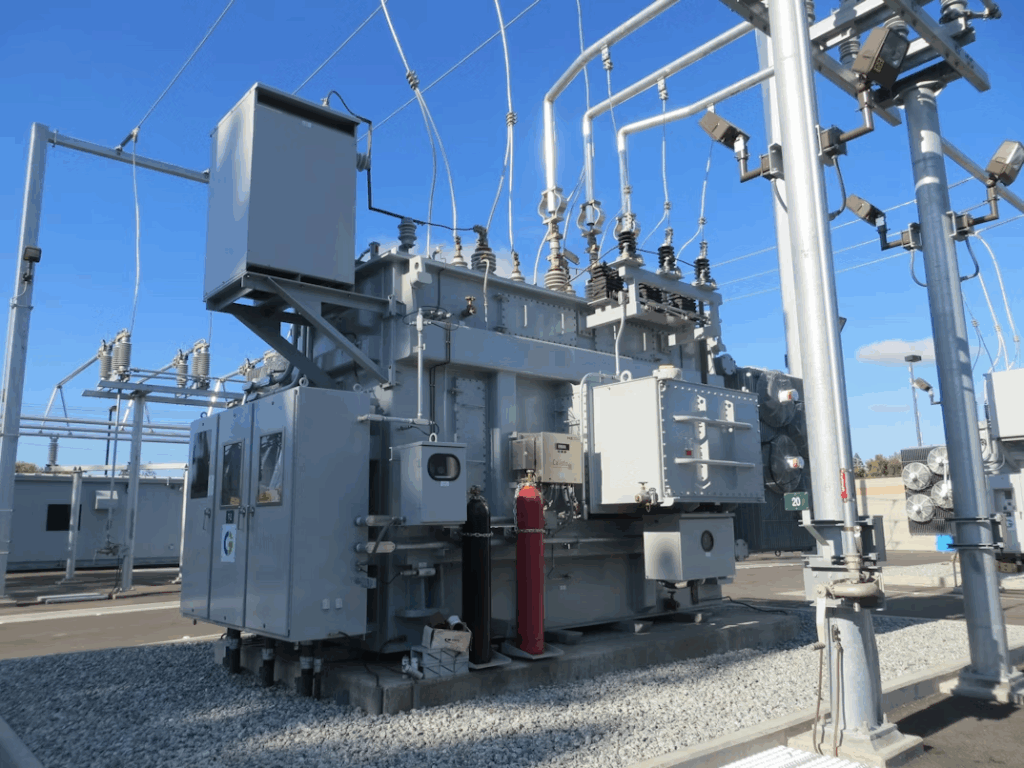
Power is part of the safety plan. Map where generators, panels, and cords live so cables stay out of wheels and walkways. Use rated cords and secure them at crossings with covers or overhead runs. Balance circuits to prevent nuisance trips when several lights strike at once.
Plan for fast moves. Towers and temporary poles should roll or lift safely, with tie-down points and level jacks. Label fixtures for zones so crews know where each unit belongs. Keep spare lamps, fuses, and drivers in a bin that travels with the gear.
Color, Contrast, and Human Vision at Night
Brightness gets attention, but contrast carries detail. Warmer light can help reduce backscatter in fog or dust, while neutral tones keep colors honest for wiring and markings. Aim for color rendering that lets workers read labels, spot fluid leaks, and see skin tone for health checks.
At night, pupils dilate, and depth cues change. Avoid sudden jumps from bright to dark. Use transitions between zones so eyes adapt smoothly. For perimeter security, choose lower but continuous illumination so movement is easy to spot without blowing out the camera image or blinding guards.
Organize Light around Tasks and Traffic
Every site has a rhythm. Trucks load and go, crews rotate, inspections happen at gates, and people gather at break areas. Build your lighting plan around that flow. Illuminate decision points: merges, crossings, lift zones, and lockout stations. Keep faces lit at check-in so badges and expressions are easy to read.
Separate pedestrian and vehicle lights where possible. Low glare, broad coverage for walking paths, and targeted beams for forklifts and trucks. Mark edges with brighter cues and keeps centers calmer. This helps drivers track lanes and lets walkers scan for ground hazards without squinting.
When your lighting supports the way people move and decide, crews get more done with fewer errors. The site feels calmer, radios stay quieter, and near-misses drop. Build lighting into your daily routine and let visibility do its quiet work – helping everyone see what matters and get home safe.