














Wearables Beyond Smartwatches: EEG, AR Glasses & Other Sensors in Predicting Bettor Behavior
Wearables are very common today, when most of them are smartwatches or fitness bands that are tracking steps and heart rate. They matter in health and convenience. But tech is moving beyond watches. Devices like brainwave sensors, smart glasses, and advanced motion trackers could change how we understand people’s behavior, even when they bet.
And that has implications for platforms like Betway, where knowing how a person reacts to information could influence future app design and user tools. This isn’t about predicting wins or losses. It’s about studying attention, risk signals, and reactions to odds in ways current wearables can’t yet measure.
Where Wearables Are Today
In 2025, the market stood at roughly $78.4 billion, and projections show it passing $190 billion by 2034. Sensors and new device types are part of that growth.
Most wearables at the moment are watches and fitness trackers. Those measure things like steps, heart rate, sleep patterns, daily movement and so on. That data is useful. It tells you about physical states, stress, and activity. But it doesn’t tell you much about what’s happening in your brain or how you decide to click a bet.
EEG Wearables: Brain Signals on the Go
What EEG Sensors Do
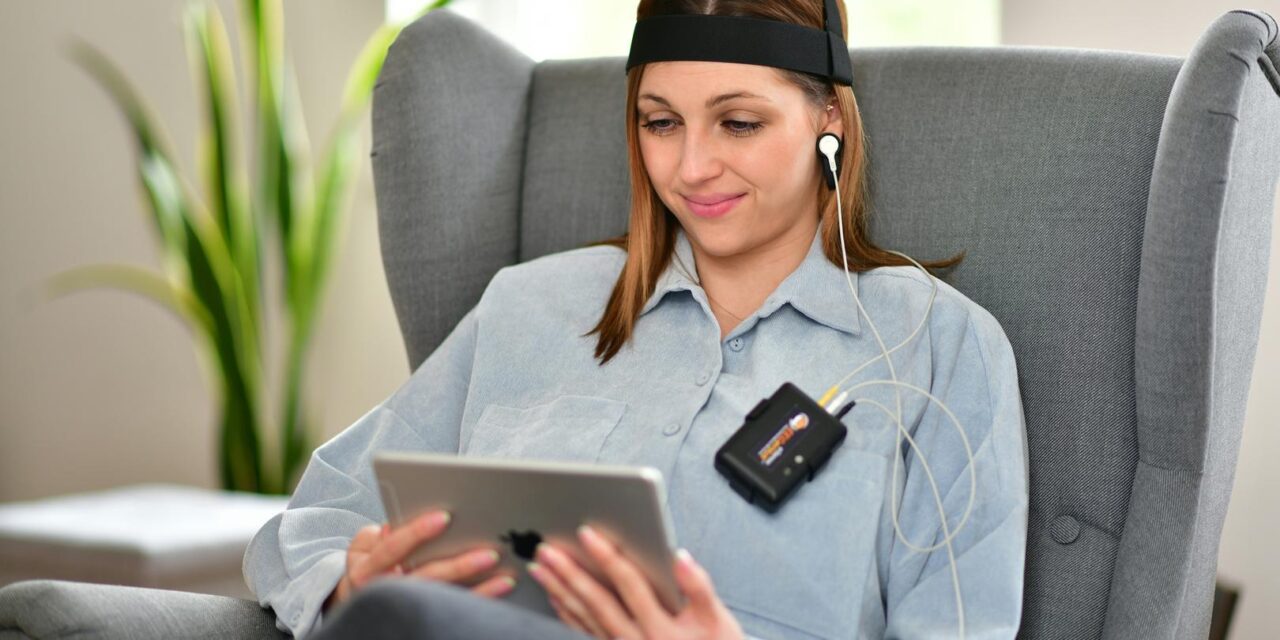
Traditionally, EEG is used in hospitals and labs. The sensors are reading electrical signals from the brain. Now, makers are building wearable EEG devices that can be integrated into other gear.
According to market analysis, the smart wearable EEG market was valued near $159 million (in 2024) and could reach over $1.5 billion by 2032, with strong annual growth.
What This Means for Behavior
Here’s where it gets interesting. EEG sensors can pick up changes in attention, fatigue, and cognitive load. That’s the level of detail you don’t get from a heart rate monitor or step counter. In theory, this could show when a person is focused on a decision or losing patience and has real potential in detecting and predicting brain states in real time.
Limitations and Realities
Early studies using wearable EEG and eye tracking in gambling‑like tasks show that brain and gaze signals shift around loss–gain decisions and during slot machine play, suggesting that these signals can flag changing risk appetite or craving, even if they can’t forecast specific bets.
EEG wearables aren’t perfect. They are sensitive to motion, can be expensive, and still need better integration into consumer devices. Most current EEG wearables are still early stage. They aren’t mainstream yet, and their predictive accuracy outside labs varies.
AR Glasses and Context Awareness
The Promise of AR
Augmented reality glasses bring digital information directly into the user’s physical view. Researchers are experimenting with smart glasses that use eye tracking and gesture recognition.
In the future, this could make it possible to see where a person is looking and what catches their attention. Those eye movement patterns could tell you which live betting odds or sports stats attract more interest. In other words, AR wearables could give rich context about visual attention.
What Experts Say
Tim Cook said that AR could become essential, just like the smartphone did. That shift would mean people use AR devices every day in natural ways, not just for novelty.
That matters because attention and eye movement are strong indicators of engagement and decision impact. If a wearable can track what a person is focusing on, we learn something deeper than simple login times or tap counts. But getting to that point will take years of better hardware, software, and privacy work.
Other Sensors: More Than Heartbeats
There are many other wearable sensors beyond EEG and AR:
- Motion and gesture trackers can show how a person’s posture changes during decision moments.
- Eye trackers in glasses can measure gaze without bulky gear.
- Advanced biometric rings that track changes in physiology.
Each of these data points adds a layer of information about how people react in real time. Combined, they can tell us a lot about decision-making style or stress levels.
Data, Privacy and What Comes Next
Wearables with rich sensor data pose a privacy challenge. Brain data and eye movement data are deeply personal. Platforms that use this kind of information must handle it with care. There’s a risk of misuse. Strong safeguards and transparent consent are essential.
Here’s the thing: we’re not at a future where wearables can guess your bets or beat odds. We’re at a point where technology is starting to gather signals about attention and state that were previously hard to measure outside a lab. Some of these ideas are being tested, but not implemented yet.
Final Thoughts
We may soon understand user reactions and attention in ways we couldn’t before. These insights could influence how betting platforms look at user interaction and design. They won’t predict your scoreline, but they might help platforms learn what people find engaging or overwhelming in real time.