
















Valorant Map Pool, All Maps in Rotation 2026

If you’re trying to keep up with all Valorant maps in 2026, you’re not alone. Between new releases, reworks, and the constant map rotation, it can feel like you’re learning a new game every few months. This guide breaks down the full Valorant maps list, what’s in the current competitive map pool, and how Riot Games decides what you actually queue into. Players who are focused on climbing and consistency often pay close attention to map pool changes, and some also look into services like Valorant boosting to progress faster while adapting to the current rotation.
Valorant Maps List
Here’s a clean Valorant maps list of the standard, plant-and-defuse battlefields, plus the extra maps used for other game modes.
Standard Maps
These are the core maps in Valorant with a spawn area for each team and barriers during the buy phase. Most are built around two spike sites, while a couple are built around three sites.
– Ascent (two sites)
– Bind (two sites)
– Breeze (two sites)
– Corrode (two sites)
– Fracture (two sites)
– Haven (three sites)
– Icebox (two sites)
– Lotus (three sites)
– Pearl (two sites)
– Split (two sites)
– Sunset (two sites)
– Abyss (two plant sites)
That’s the set most players mean when they say all the maps in VALORANT for standard play. It’s also the set you’ll see referenced when people ask for all valorant maps names.
Quick Identity Notes
– Ascent: huge mid, closing doors, lots of mid control fights.
– Bind: no real middle area, one-way teleporters, and only two sites. Therefore, fakes are loud and fast.
– Breeze: lots of open space and long-range fights. Mid is important on this map.
– Corrode: tight spaces that open up into angles, elevation, loud waterways, and a radianite salt mine atmosphere.
– Fracture: attackers have the ability to flank from two sides, zip lines are good for rotations, and defenders have early fights.
– Haven: first three-site map. Defenders have the pressure of defending three sites: A, B, and C.
– Icebox: vertical angles, zip lines, and a lot of stacked fights with tight spaces.
– Lotus: first three-site map with rotating doors and a smashable wall, good for mind games with enemies.
– Pearl: underwater city with clean spaces and mid control that determines if you can push into Heaven.
– Split: vertical angles, tight spaces, and mid control determines if you can push into Heaven.
– Sunset: mid first, smashable door, fast routes that need to be taken early.
– Abyss: borderless with death drop, lots of high ground, bad movement is punished.
Team Deathmatch Maps
Team Deathmatch is its own thing, and it uses smaller, purpose-built maps rather than the standard ones.
– District
– Kasbah
– Piazza
– Drift
– Glitch
If you mostly warm up in team deathmatch, these are the maps you’ll see the most.
Practice Maps
– The Range (practice)
It’s not part of the competitive experience, but it’s still part of the overall set of maps you interact with.
Current Map Rotation in Valorant

Not all maps are available in every queue, and that’s where the map pool concept matters.
Current Competitive Map Pool
Riot Games keeps a limited competitive map pool for Ranked and similar high-stakes queues. The common structure is seven maps in rotation at a time.
As of the current rotation in 2026, the competitive map pool typically includes maps such as:
– Bind
– Ascent
– Haven
– Fracture
– Lotus
– Icebox
– Pearl
Depending on the patch and season, the exact list can change as Riot rotates maps in and out to keep the pool manageable and the meta fresh. If you’re looking for all valorant maps in rotation, be careful with wording because that usually refers to the active competitive set, not the full standard roster.
What About the Rest?
Those other maps don’t disappear. They usually stay available in other modes like Unrated, Swiftplay, or limited-time playlists, depending on what Riot Games is testing or featuring. In other words, you can absolutely be learning maps in valorant that are currently not in Ranked.
Why This Matters for Climbing
If you’re trying to rank up, your time is better spent mastering the competitive map pool first. Knowing default plant sites, common lurk timings, and the safest retake routes on those seven maps will pay off more than being “okay” on everything.
What is a Map Rotation in Valorant?
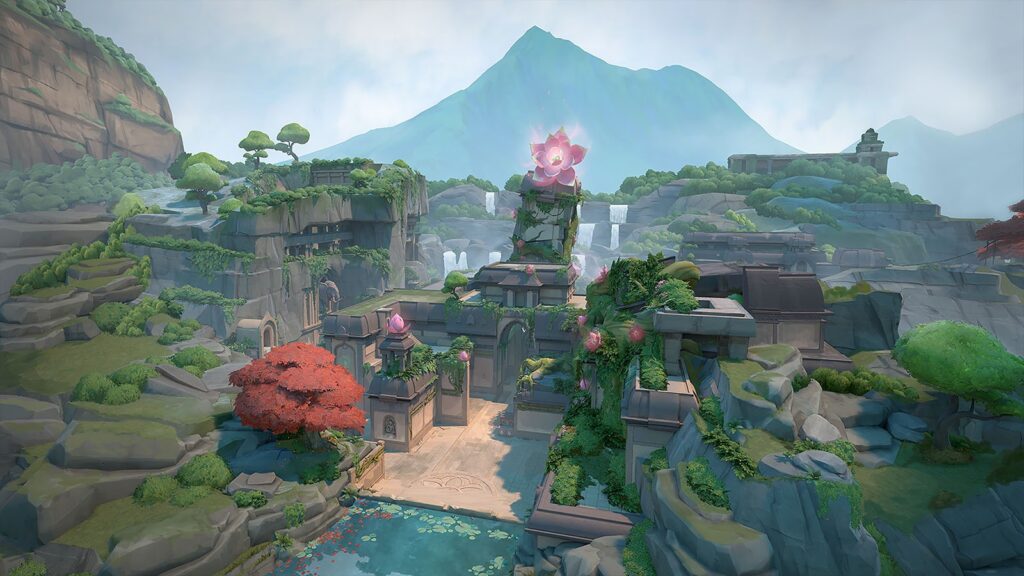
A map rotation is Riot’s system for deciding which standard maps can appear in specific playlists, especially Competitive and Premier.
In practice, it means:
– You can queue Ranked and simply never see certain maps for months.
– When a newest map drops, it often arrives in casual queues first.
– Later, it can enter the competitive map pool, and something else rotates out to keep the pool size stable.
That stability is intentional. Riot Games has repeatedly leaned toward a smaller active pool so players can build real game sense instead of constantly relearning every angle.
A good way to think about it is this: you’re learning all valorant maps over time, but you’re competing on a curated subset right now.
Why Does Valorant Map Pool Change Over Time?
Riot Games rotates maps for a few practical reasons, and you can feel them as a player.
1) Keeping Learning Manageable
As the overall list of maps increases, a limited list of competitive maps helps new Valorant players not get overwhelmed. They get variety, but don’t have to commit everything in their mind right off the bat.
2) Space for Reworks and Fixes
Maps may be rotated out so that Riot can work on areas that are problematic without them overwhelming Ranked matches. It may be smoothing out mid control, reducing awkward angles, or toning down overpowered choke points.
3) Healthy Pro Play and Practice
A limited list is easier on teams looking to practice and compete. It’s easier to practice deeply on a limited list instead of spreading practice thinly over many maps.
4) Spotlighting New Content
Riot wants players to play their newly created map. Map rotations prevent the newly created map from being avoided indefinitely, especially in competitive play.
What Determines Map Selection in Valorant?
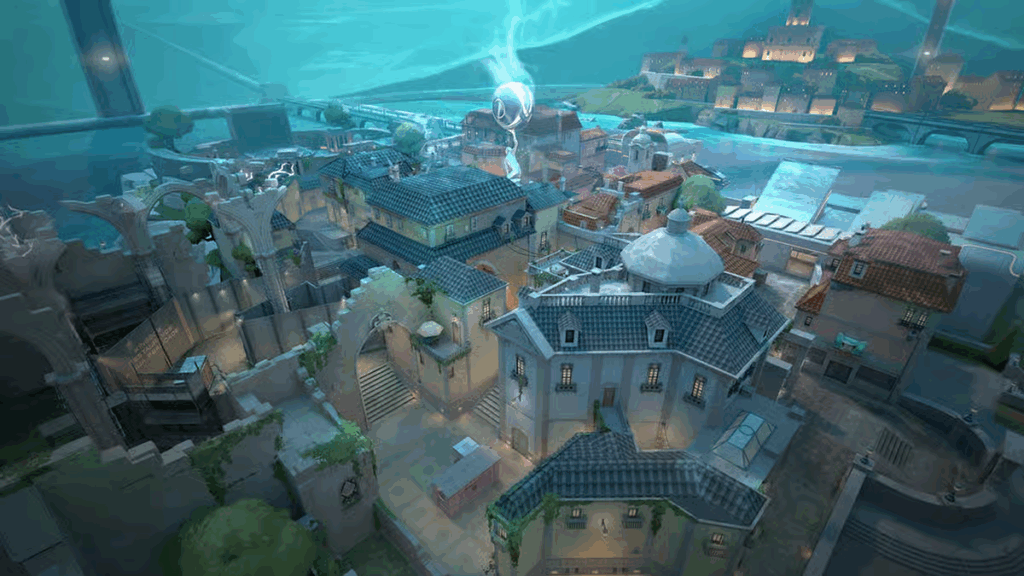
Of course, within that, you don’t get a “pick whatever you want” situation in Competitive. Map selection is handled for you, and it’s intended to prevent repeat maps.
The basic idea behind this is something that players tend to notice when using this system in practice:
– The system is taking recent history into consideration for your lobby, so it’s less likely to give you the same played map repeatedly.
– If you’ve been chain queuing, it’s less likely to give you duplicates as quickly.
– As options get limited, it can feel very random because it is still a weighted system.
A few practical tips that players can use with this system:
– Don’t avoid maps simply because you’re not comfortable with them. Use unrated to focus on one bad map per week, then take it into ranked.
– Make a basic game plan per map: one default, one mid-round rotate quickly call, one retake call.
– On two-site maps, decide early on whether your team is willing to fight for mid control or focus on quick site calls.
– On three-site maps, focus on information gathering. If your enemy team guesses incorrectly, you get free plant sites and better post-plants.
If you’re reading this page because you want valorant all maps or all maps valorant in one location, then the basic takeaway is this: know all maps, but focus on practicing your hardest on the current competitive map pool because that’s what’s available when it’s game time.