















The Graphics Tech Behind Courtroom 3D Reconstructions

Modern courtrooms look much different from those of a few decades ago. Digital screens and high-resolution simulations now guide judges and juries through complex technical testimonies.
Stepping inside a digital recreation helps people see the facts with perfect clarity. The underlying computer code and advanced rendering hardware make this level of insight possible.
Visualizing Complex Accidents
Legal teams frequently need to explain complicated technical data to people without engineering backgrounds. Static maps and paper diagrams often fail to show how a fast vehicle crash actually happened. Clear movement solves this communication issue completely.
Reconstructing an incident requires advanced spatial mapping software. Modern attorneys deploy legal visual strategies for litigation to make complicated collision scenes clear to everyone in the room. These methods rely heavily on the computational power of modern graphics hardware.
Computers recalculate positions frame by frame to show realistic asset motion. This setup allows observers to watch an event unfold naturally from any angle. The underlying math must match physical laws perfectly to remain valid.
Gathering Data From Medical Imaging
Creating an accurate digital model requires real-world measurements. Forensic artists gather information from specialized tracking sources before building any virtual assets. This step forms the foundation of the entire digital reconstruction.
A scientific paper explained that investigators now use advanced medical scans and surface photogrammetry to build case models. These options provide deep insights into physical injuries and vehicle damage. The data guides the design process with immense precision.
Using computed tomography and magnetic resonance files helps artists build internal anatomy models. The software copies the exact measurements from medical records to replicate real injuries. This step removes human guesswork from the finalized presentation.
Choosing The Right Camera Angles
Once the models exist inside the software, creators must choose how to display them. Camera placement alters how someone understands a sequence of fast movements. Different angles highlight different facts during the presentation.
An industry guide mentioned that forensic animators help legal clients select viewpoints, like an overhead look or a driver’s perspective. Changing the viewpoint helps convey the facts with complete clarity. Each angle presents a specific piece of the scene.
A driver’s perspective can prove whether a stop sign was visible behind low trees. An overhead angle shows the entire intersection layout at a single glance. Both options help clear up confusion for the jury.
Integrating Immersive Systems
Flat screens work well, but interactive tools provide deeper spatial understanding. New simulation technologies let people explore virtual spaces at their own pace. This interactive option changes regular observation into something far clearer.
A comprehensive study showed that about 20% of crime scene reconstructions now incorporate active immersive platforms. Virtual reality represents the largest share of those specific digital applications. The research highlights a growing trend in legal presentation software.
Using virtual reality allows a user to look around a scene naturally. Wearing a headset makes the spatial relationships between objects much more obvious to the viewer. This tech helps clear up conflicting eyewitness statements almost immediately.
Simulating Environmental Conditions
Accidents rarely happen in perfect weather with ideal lighting conditions. Software engineers program specific environment variables to mimic real-world challenges. Heavy sun glare or heavy rain can change a case outcome completely.
Advanced graphics engines calculate how light beams bounce off wet highway pavement. This math creates accurate shadows and reflections from specific times of day. The digital results show exactly what a person could see from their car window.
Adjusting the fog density or rain intensity alters visibility levels on screen. These changes must reflect the official weather reports from the incident date exactly. Realism remains the main goal throughout this entire digital process.
Processing Power Requirements
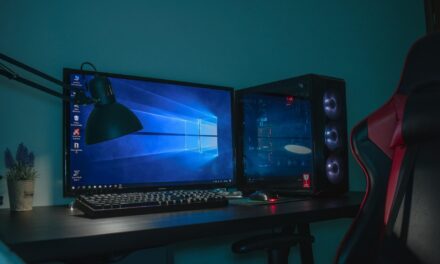
Rendering high-quality graphics takes substantial computer hardware power. Dedicated graphics cards handle thousands of simultaneous mathematical calculations every second. Without good hardware, the visual presentation stutters badly during a trial.
Specific components handle different parts of the creation workflow:
- Heavy processors manage the physics and fluid equations.
- Graphics chips calculate the lights, textures, and shadows.
- Fast memory stores the massive laser scan point clouds.
High frame rates keep the video playback smooth during a courtroom presentation. Smooth motion prevents viewers from getting distracted by choppy performance. Solid hardware guarantees that the presentation runs flawlessly without errors or delays.
Pre-Rendered Versus Real-Time Output
Creators choose between two main presentation formats for legal teams. Pre-rendered videos are finished files that play like short movies. They offer great visual detail but lack any interactive elements for the user.
Real-time applications run like modern video games during the active testimony. This setup lets an expert turn the camera during a live cross-examination. It provides immediate visual answers to unexpected questions from opposing counsel.
Both paths use similar underlying assets and detailed texture maps. The main difference lies in when the computer processes the pixels. Selecting the right format relies entirely on the specific case goals and overall budget.
Advanced graphics technology brings clear spatial data into modern legal trials. The software turns raw numbers into clear pictures that anyone can follow easily without technical training.
As computer chips grow faster, these visual tools will become even more common. Clear data helps people make fair decisions based on real physics and facts.