












How Mobile Gaming Quietly Became a Serious Hardware Category
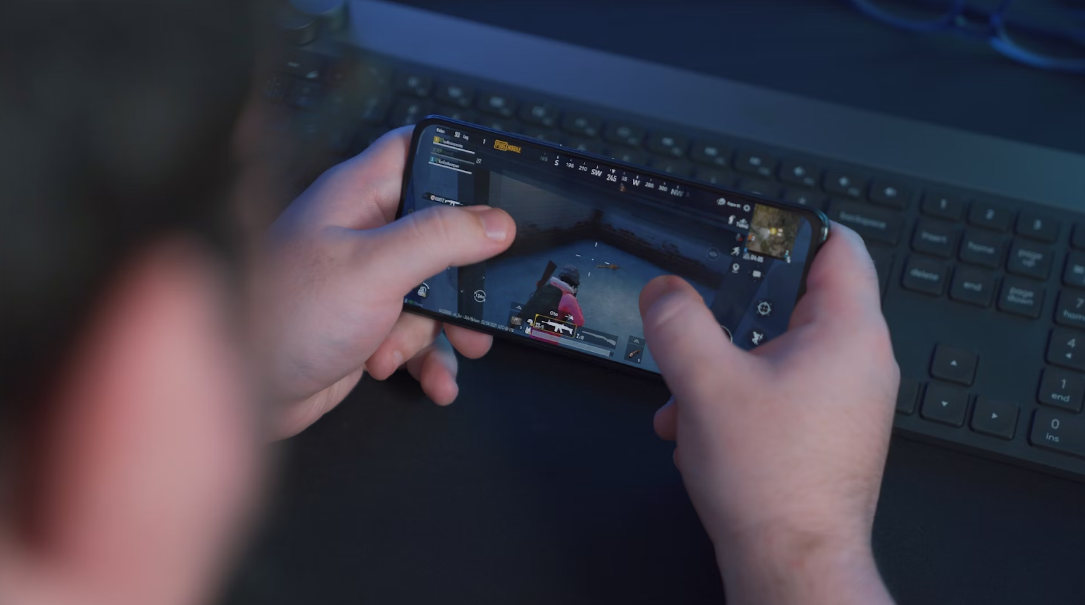
A flagship gaming phone in 2026 ships with an 8 Gen 4 chipset, 16GB of LPDDR5X memory, and a 165Hz AMOLED display. It also has dual vapour-chamber cooling and shoulder triggers that pop out of the chassis on demand.
That spec sheet would have read as desktop-class fiction a decade ago. Mobile gaming has been moving quietly toward this kind of specification for years.
The hardware ecosystem around it has matured in ways PC-first audiences tend to miss. The category now sits closer to console and PC gaming in technical terms than most hardware coverage acknowledges.
Worth a closer look at where the hardware has actually got to, and what is driving it.
The Spec Sheet Catches Up
The headline change is that the silicon in a high-end gaming phone is now genuinely competitive with the silicon in a mid-range gaming laptop. Sustained performance is the obvious caveat, but on burst workloads the gap has narrowed considerably.
The Tom’s Hardware analysis of recent mobile SoC performance has tracked the generational improvements in detail, particularly around sustained GPU performance under load. The thermal envelope is what separates a phone from a laptop in practice, and the mobile manufacturers have started to take that constraint seriously rather than papering over it.
Vapour-chamber cooling has gone from premium feature to baseline on the gaming-focused phones. Active cooling accessories with fans that clip to the back of the handset have become a small but credible niche product category in their own right.
What Actually Defines a Gaming Phone Now
The gaming-phone category has settled into a recognisable set of hardware traits that distinguish it from a regular flagship. A scan of the current generation produces a fairly consistent list:
- Sustained-performance cooling. Vapour chambers, graphite layers, and in some cases internal fans. Designed to hold peak clocks for longer than a regular phone can manage.
- High-refresh AMOLED panels. 120Hz minimum, 144Hz or 165Hz on the higher-end models. Sample-and-hold response times in the single-digit millisecond range.
- Hardware shoulder triggers. Either physical pop-out triggers, capacitive zones along the frame, or both. The aim is to reduce the touchscreen real-estate cost of gameplay.
- Larger batteries with bypass charging. 6,000mAh and above, with the ability to power the phone directly from the charger to bypass the battery while gaming, reducing heat output.
- Dedicated gaming modes in the OS layer. Resource allocation that prioritises the game over background processes, frame-pacing tools, and built-in screen-recording without performance penalty.
- Audio engineering for gameplay. Tuned stereo speakers and low-latency Bluetooth profiles, with attention paid to audio cues that competitive players rely on.
The Software Ecosystem Caught Up Too
Hardware on its own does not make a gaming category. The titles that run on the hardware have to be worth the engineering effort, and the mobile catalogue has expanded considerably over the past five years.
The competitive end is dominated by titles like PUBG Mobile, Call of Duty Mobile, and Genshin Impact. All three have settings that push high-end phones to their thermal limits.
The casual end covers Clash Royale, Brawl Stars, and a long tail of casino-style mobile titles. UK-licensed iGaming sites form a meaningful slice of that long tail.
The games available at PlayUK are typical of the category. They are built around the short-session, interruption-tolerant play that mobile hardware handles natively.
The titles that demand serious hardware sit at one end of the spectrum. The titles that demand almost no hardware sit at the other. The category as a whole has grown across both ends, and the middle has filled in considerably.
Why PC-First Coverage Has Underestimated It
There is a structural reason that PC hardware sites and YouTube channels have been slow to take mobile gaming seriously as a hardware category. The audience overlap is real but partial. Most PC builders own phones but do not think of them primarily as gaming devices, and the conventions of hardware coverage have developed around desktop and laptop form factors.
The benchmarks that matter for mobile gaming are also somewhat different from the ones that matter on desktop. Sustained thermal performance over thirty minutes of gameplay is more useful than peak clock under a 60-second stress test. Display response times and touch latency matter in ways that desktop coverage rarely needs to consider.
The result is that mobile gaming hardware tends to get covered in a separate publication track from PC hardware. The two categories have started to converge technically, but the coverage tracks have stayed mostly separate.
The Accessory Ecosystem
Around the phones themselves, a credible accessory ecosystem has built up. Backbone controllers and similar clip-on gamepads have become standard kit for mobile competitive players. Active cooling fans, finger sleeves for sweat management, and external Bluetooth triggers all have legitimate hardware niches.
The crossover with the PC accessory market is interesting. Several established peripheral manufacturers now produce mobile-specific gaming accessories alongside their PC lines. The supply chains, the testing labs, and the engineering teams are often the same.
That overlap is one of the clearer signals that mobile gaming hardware has moved from novelty category to recognised market segment within the broader PC and gaming peripheral industry.
Where the Category Goes
The next wave of mobile gaming hardware will likely focus on three areas. The first is sustained-performance silicon that holds peak clocks for genuine session lengths rather than burst windows.
The second is display technology pushing refresh rates further while managing the battery cost of doing so. The third is tighter integration with the broader gaming ecosystem, including cloud streaming and cross-device play.
None of those areas are speculative. Each is already in development across multiple manufacturers, and the products that ship across 2026 and 2027 will probably move the category meaningfully closer to a true convergence with handheld console hardware.
The phones are not laptops, and they are not Switch competitors in the strict sense. They occupy a genuinely distinct hardware category that has earned its place in the gaming conversation, even if the PC-first coverage is still working out how to acknowledge it.