











Memory Chip Shortage Pushes Up Prices on Apple, Nintendo, and Other Consumer Hardware
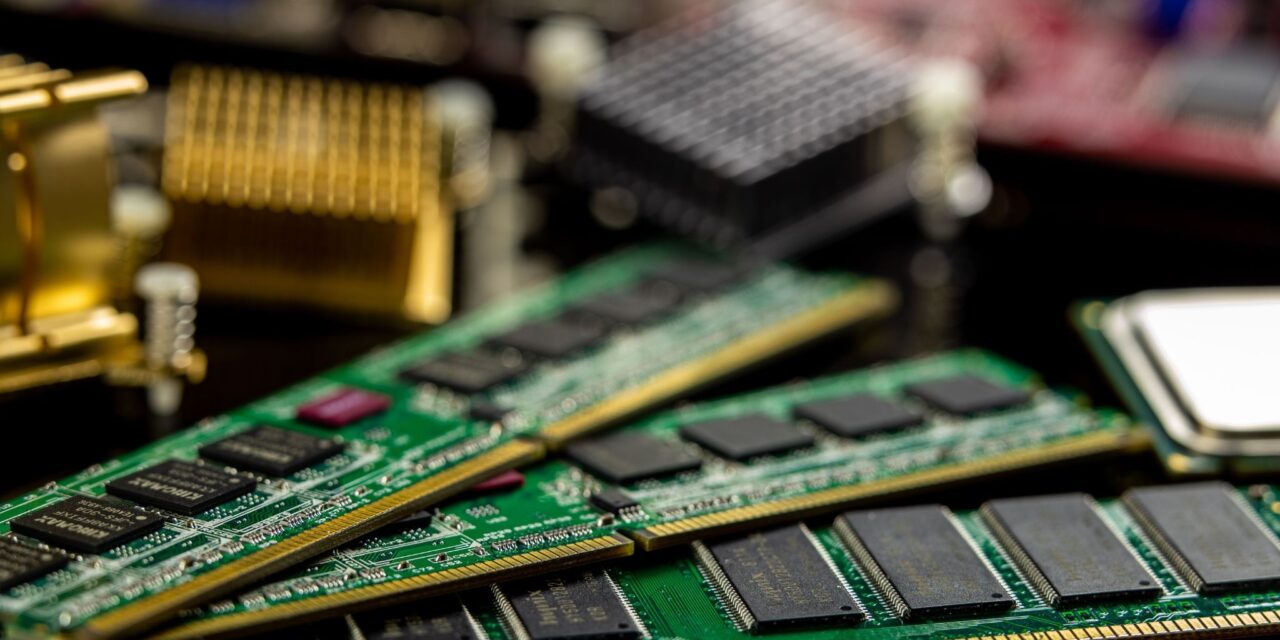
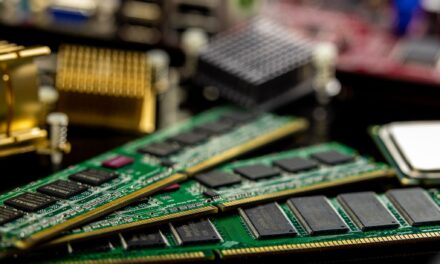
An AI-driven surge in data-center demand has created a global memory chip shortage that is now forcing consumers to pay more for Nintendo Switch 2 consoles, Apple iPads and MacBooks, and a widening range of other devices. According to Cable News Network, the shortage is expected to persist until at least 2028, with some analysts warning that prices may never fully return to pre-shortage levels.
The Hardware Caught in the Memory Crunch
The mechanism is straightforward and damaging. Chipmakers cannot produce enough memory to satisfy both the voracious appetite of AI data centers and the consumer electronics market simultaneously, per CNN. Data centers require memory to process information quickly, and that demand has simply outpaced manufacturing capacity.
The consequences are already visible on store shelves. The PlayStation 5, Nintendo Switch 2, Valve Steam Deck, and a range of Apple products — including iPad and MacBook models — have all become more expensive over recent months. Microsoft has said it plans to raise Xbox prices in August, though the exact amount has not been disclosed. The scale of disruption prompted Asha Sharma, CEO of Microsoft’s Xbox division, to describe the situation in an internal email as “the most severe hardware crisis in history,” a message sent alongside announcements of layoffs and structural changes at the company.
Memory chip manufacturers, meanwhile, are the clearest beneficiaries. As supply tightens against surging demand, chipmakers see improved margins even as the consumer market contracts.
Not every device category feels equal pressure. Smartwatches and wireless earbuds are not expected to be as heavily affected, because they require far less memory than laptops, tablets, or game consoles. For buyers in those categories, the impact remains comparatively limited.
Leisure Budgets Caught Between Hardware and Other Spending
Federico Tomás Weber, a digital marketing specialist who tracks Spanish-speaking sports and online-entertainment audiences professionally, sees the hardware price surge as more than a one-line cost increase. When a Nintendo Switch 2 or a new iPad carries a meaningfully higher price tag, and when Apple’s memory costs could force iPhone prices toward what Mike Howard, vice president of memory coverage at TechInsights, estimates as a range of $250 to $300 above current levels, the ripple effect reaches a fan’s entire monthly entertainment allocation.
“We should start thinking about a $1,500 iPhone instead of a $1,000 (or) $1,200 iPhone,” Howard said, capturing the magnitude of the potential shift.
Weber notes that, for the Spanish-speaking audiences he covers, discretionary spending is finite and every category competes for the same fixed pool. apuestas.guru draws on the same capped leisure budget as a hardware upgrade, so fans who track their entertainment costs carefully are already weighing whether a console purchase, a streaming subscription, or a sports-betting line gets the next available peso or euro. That rebalancing, Weber observes, is already underway among the audiences he follows.
“When device prices rise this sharply, the whole entertainment budget gets re-examined. Fans are not just asking whether to buy a new console — they are asking what they give up to do it.”
Analyst Projections Point to a Long Recovery
The shortage’s trajectory is the subject of competing assessments, though none are optimistic in the near term.
Jitesh Ubrani, director of consumer devices research at the IDC, offers a partially reassuring reading. “That largest bump has happened now,” he said. “They’ll continue to rise at a slower pace going forward, but they’re still rising.” In other words, the steepest single jump may be behind consumers, but costs are not retreating.
The market data reinforces the severity of the disruption. Global PC shipments are expected to fall 11.3% in 2026, according to the IDC. The smartphone industry is projected to record its steepest annual decline in the same year. Both figures reflect not just supply-side pressure but consumer reluctance to purchase at elevated price points.
Howard of TechInsights adds a further complication. Even if memory component prices begin to ease, it will probably take at least a year for those reductions to reach consumers. The distance between wholesale chip pricing and retail product pricing is long, and manufacturers and retailers absorb changes slowly.
What Consumers Can Do While Prices Stay Elevated
With the shortage unlikely to resolve before 2028, analysts have outlined a set of practical responses for consumers who need devices but are reluctant to pay current premiums.
One option gaining attention is the certified-renewed market. Amazon, Apple, Samsung, and other retailers offer certified renewed or refurbished programs that sell pre-owned products at a discount after inspection and testing. Gadjo Sevilla, an analyst at eMarketer, described the inventory plainly: “These are mostly new items that are returned,” he said, noting that performance often differs little from new devices. For cost-conscious buyers, the gap between new and certified-renewed has rarely been more worth examining.
Trade-in ecosystems offer a parallel path, allowing consumers to offset new-device costs by surrendering older hardware. For those not requiring an upgrade at all, analysts point to alternatives that sidestep the memory crunch entirely. Purchasing additional cloud storage, for instance, can extend a device’s useful life. Replacing a phone battery rather than buying a new handset is another option that analysts cited, one that avoids the premium now baked into new smartphone pricing.
Timing also matters. Fall product cycles historically bring new introductions that can push older inventory to lower prices, giving consumers who can wait a potential window.
The harder truth, as Howard explained, is that resolving the underlying manufacturing capacity problem is not a matter of will or investment alone. “It’s not a simple process, I think everyone kind of sees that now. It’s super complicated. This is the most complex manufacturing on the planet.” New memory fabrication plants take years to plan, build, and certify. The 2028 horizon is not a worst-case estimate — it is the working consensus, and even reaching it offers no guarantee of a full price reset.