













Building a Price-Tracking Scraper for GPUs and PC Gear Without Getting Blocked
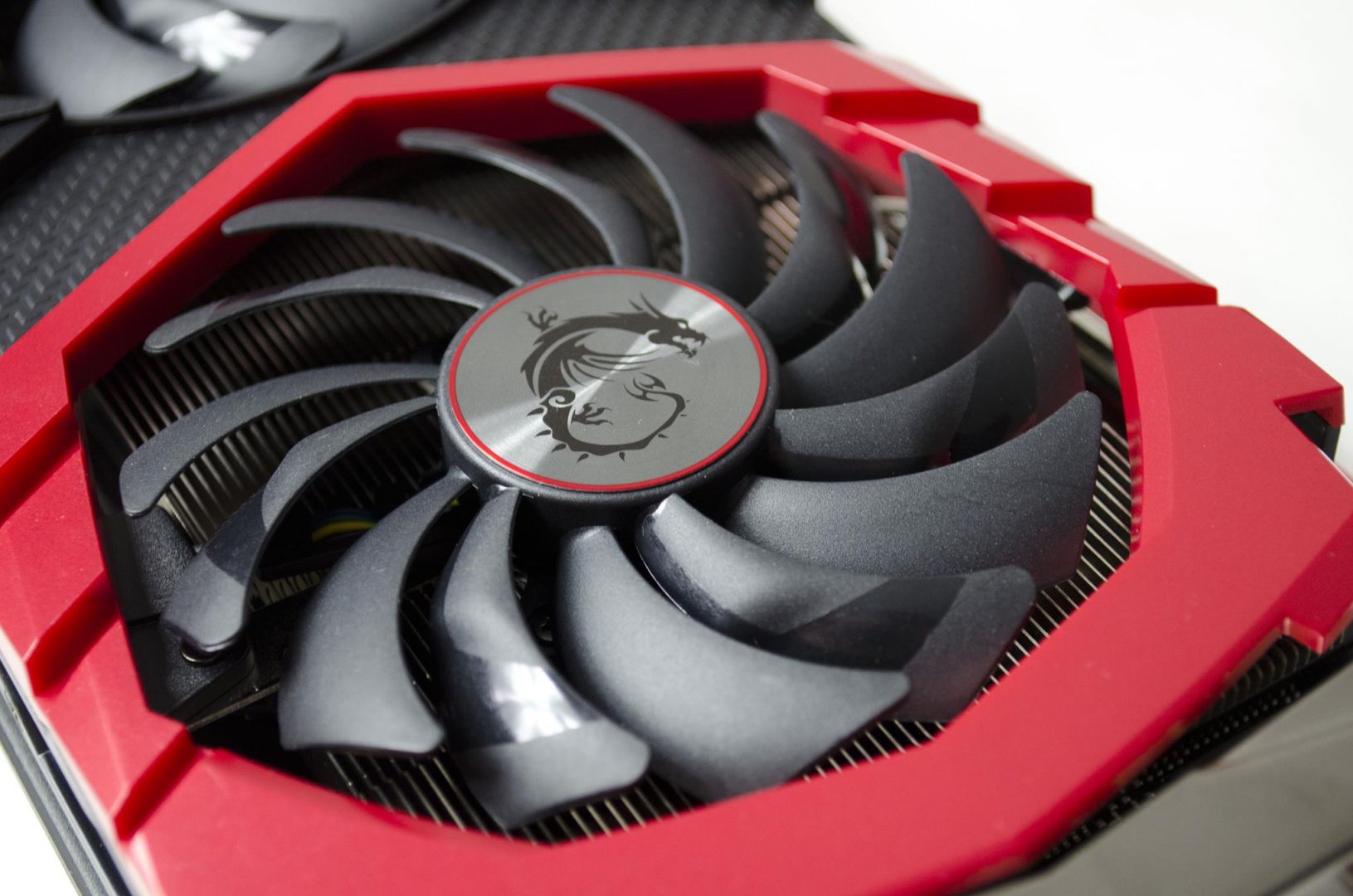
EnosTech readers watch prices as close as FPS charts. A GPU that looks like a smart buy in a review can turn into a bad deal once stock dries up. Street price swings also hit cases, SSDs, and cooling, where small cuts change a whole build list.
A simple scraper works for one store and one day. It fails fast once you scale to many shops, many SKUs, and checks that run all week. You need repeat pulls, clean match rules, and a proxy plan that does not melt down under blocks.
What breaks first in real-world price pulls
Most shops rate-limit fast. They also flag odd header sets, headless runs, and hard loops on one path. When you hit 429s or soft blocks, your log fills with gaps and your charts lie.
Bot traffic also drives tougher gates. Imperva reports that bots made 49.6% of all web traffic in 2023. Stores respond with more checks, more traps, and more bans. Your scraper must act like a normal buyer, not a stress test.
Price data adds its own pain. A retailer can show one price on the list page and a new one in cart. A deal can also depend on ZIP, ship mode, or a logged-in state. If you only scrape the first number you see, you ship bad alerts.
Pick proxies like you pick a cooler
PC builders match parts to the job. You do the same with proxy types. A datacenter pool gives speed and low cost, but many retail sites spot it fast.
Datacenter, residential, and mobile each fit a role
Use datacenter IPs for light checks on low-friction sites. Use them for category scans, search pages, and stock pings where blocks stay low. When a shop starts to challenge, switch the high-value steps to res or mobile IPs.
Residential IPs blend in better, but you must manage churn and cost. Mobile IPs often win the hardest targets, since carriers rotate and share IP space. You also need tight pacing, since mobile pools can bottleneck if you blast too many calls.
Teams that want a managed feed often pair their scraper with Byteful.
Session control beats raw rotation
Many scrapers fail by rotating on every request. Stores see that as chaos, since real buyers keep a session for a bit. Hold one IP for a short run per shop, keep cookies, and reuse headers.
Split work by intent. Let one session browse and collect product URLs. Let a second session fetch product pages and cart checks. This cuts your risk and keeps state clean.
A pipeline that outputs numbers you can trust
EnosTech reviews lean on repeat tests. Your data pull needs the same care. Treat price as a measured value, not a string on a page.
Normalize SKUs before you graph anything
Retail titles vary by one word, yet they point to the same part. Rely on MPN, UPC, or the vendor SKU when you can. When you cannot, build a match rule that keys on brand, chip, VRAM, and model code.
Keep a map from raw name to your canon name. Use it for GPUs, monitors, and headsets. This also helps when a shop changes its title and your tracker would split one product into two lines.
Capture the full price state
Pull list price, final price, and ship cost when the shop shows it. Mark bundle deals and mail-in promos as a separate field. If a store hides the real price until cart, run a cart check on a slow cadence.
Cache pages for a short window and store the raw HTML. When you see a big swing, you can replay the parse and confirm the change. This saves you from false spikes from a bad selector.
Handle blocks without brute force
CAPTCHAs waste time, but you can avoid many of them. Keep request rates low per host and vary your paths. Fetch images and scripts only when you need them, since full browser loads cost more and raise risk.
Watch for soft blocks. Some shops return 200 OK with a fake page. Your code should spot key signs, like missing price nodes or a sudden drop in page length. When you detect that, stop, rotate, and back off.
Use alerts that match how you build a rig. Track success rate, median pull time, and parse error rate per shop. When one host starts to fail, you can swap rules fast, instead of losing a day of data.
Stay on the right side of rules
Read a site’s terms and robots rules before you scale. Many shops ban scraping that harms service or bypasses gates. You also need to avoid personal data and account pages, unless you own the account and accept the risk.
Keep load low and respect crawl-delay when it exists. Identify your bot when you can, since some sites offer feeds or partner paths. If you build a public tool, add clear opt-out steps for site owners.
A quick test plan before you scale
Start with one gear class, like GPUs or AIO coolers. Run three stores for two weeks and log every fail. Tune your parse, pacing, and session length until you hit stable pulls.
Then add one hard target store and one region check. If you can keep data clean there, you can scale with less pain. Your end goal stays simple: prices that match what a real EnosTech reader will pay at checkout.