















Gaming and Mental Health: Benefits, Risks, and Finding Balance
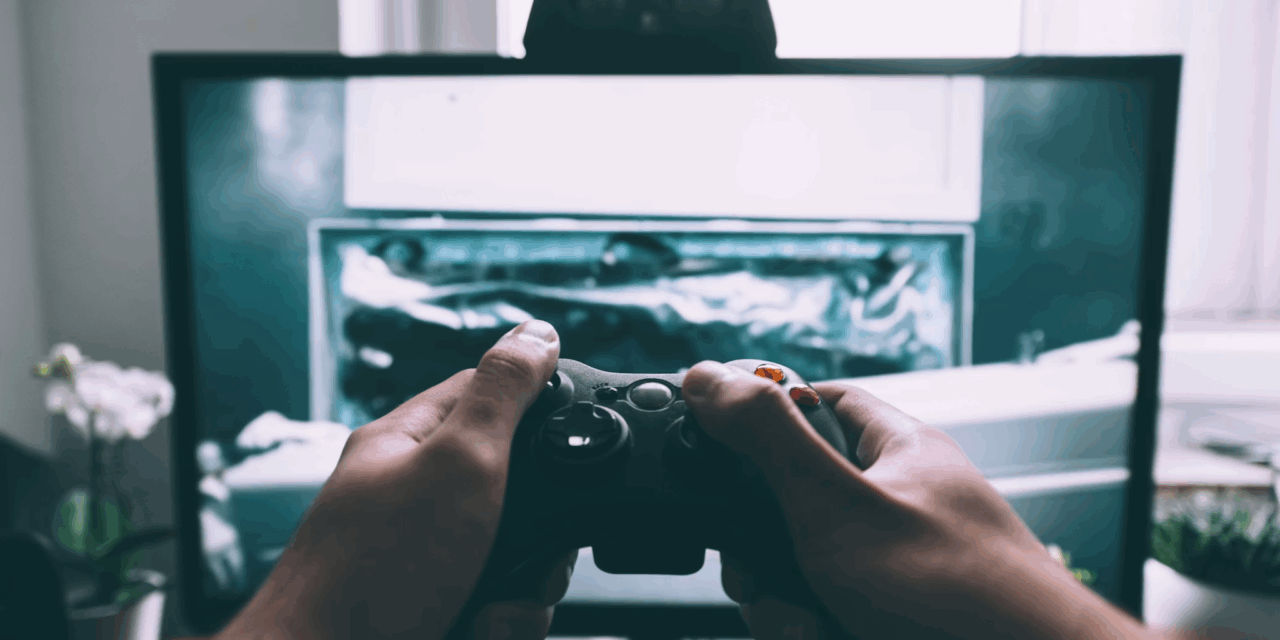
Take a look around any modern household, and you will quickly see that video games have completely woven themselves into the fabric of our daily lives. No longer just a hobby reserved for a small group of computer enthusiasts, gaming has transformed into a massive global industry that spans across every culture, age group, and background imaginable.
Because screens are now everywhere, psychologists and researchers are looking closely at how these virtual worlds impact our mental health. It is easy to find strong opinions on both sides of the debate. Some people view gaming as a dangerous, addictive trap, while others celebrate it as a brilliant tool for cognitive growth and stress relief. Understanding the true relationship between video games and your mind requires looking past the simple stereotypes. When we explore the internal mechanics of gaming, we discover a complex digital playground that can either heal or hurt our emotional health depending entirely on how we choose to interact with it.
Just as people review options like Liven pricing when investing in structured mental well-being packages, understanding how to spend your time and mental energy on gaming is a personal investment in your own emotional stability.
The Good: How Gaming Helps the Mind
When used intentionally, video games offer several profound psychological benefits that can actively improve a person’s daily mental state. The most immediate benefit is simple stress relief and emotional escapism. After a long, exhausting day at school or work, diving into a beautifully crafted virtual environment allows the human brain to take a deeply restorative break from real-world anxieties. It acts as a cognitive reset button, letting you put your worries on pause while you focus on a completely clear, manageable goal.
Furthermore, video games are masterfully built around the psychology of achievement. Every time you finish a difficult quest, defeat a tough boss, or unlock a new level, your brain releases a satisfying burst of dopamine, which is our natural reward chemical. This steady flow of positive reinforcement can provide a wonderful boost to a player’s everyday self-esteem, making them feel capable, smart, and successful. Beyond individual joy, modern multiplayer video games have also become an essential lifeline for social connection. For individuals who struggle with real-world social anxiety, the digital world offers a safe, structured space to build deep friendships and escape loneliness.
Much like the scientific information and positive self-discovery resources found on this website, multi-player gaming platforms can create a powerful, welcoming sense of global community where people feel truly seen, accepted, and supported by their peers.
The Bad: When the Screen Takes Over
Despite these amazing advantages, video games carry real psychological risks when a player loses a healthy sense of control. The exact same reward systems that make gaming feel so satisfying can easily turn into an addictive dopamine loop. Because game developers purposefully design their products to keep players hooked, it can become incredibly difficult for the human brain to naturally walk away from the screen.
When gaming crosses the line from a fun hobby into an unhealthy obsession, clear psychological warning signs begin to surface. Overuse often shows up as extreme irritability when forced to turn off the console, a total neglect of personal hygiene, irregular sleep schedules, and sudden isolation from real-life family members. The danger deepens when individuals begin using video games to completely hide from their real-world problems rather than facing them.
If a person relies entirely on a virtual world to escape from feelings of sadness, loneliness, or failure, they stop developing the vital real-world coping mechanisms needed to manage life’s complex emotional challenges, leaving them feeling completely overwhelmed when they finally log off.
Finding Balance: Tips for a Healthy Mind
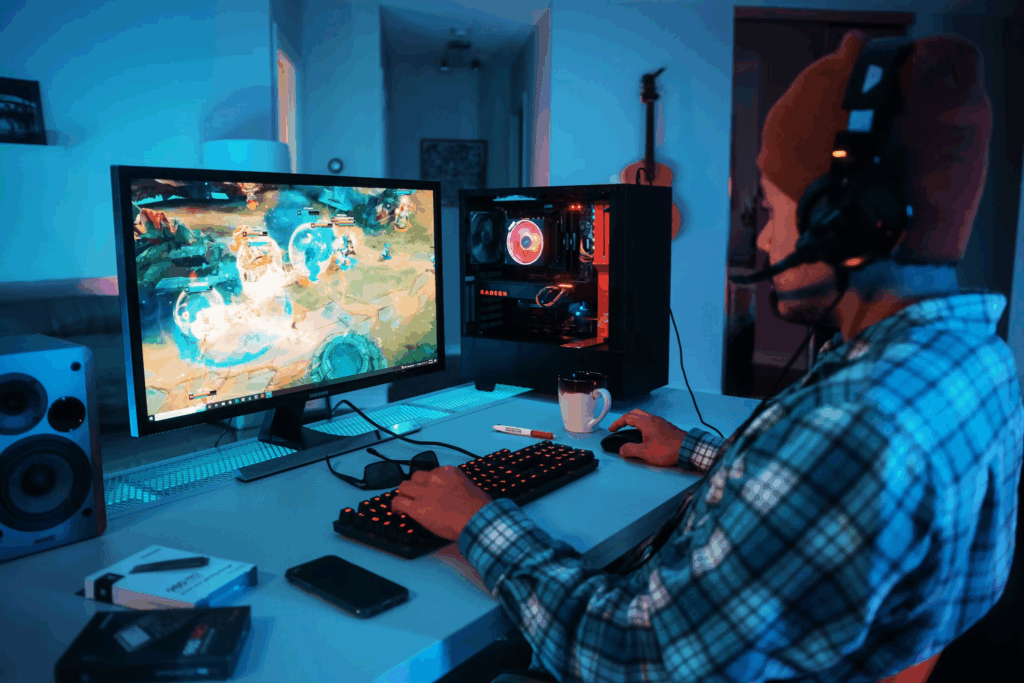
To enjoy the rich emotional benefits of video games without harming your mental well-being, you must build healthy, conscious boundaries around your screen time. The most effective way to protect your mind is by setting firm behavioral limits before you even pick up a controller. Simple strategies like setting a physical alarm clock, keeping gaming consoles entirely out of your sleeping bedroom, and strictly scheduling your playtime as a reward after completing your daily responsibilities can make a massive difference.
Additionally, it is psychologically vital to cultivate diverse sources of joy in your life. If video games are the only thing that makes you happy, your brain will naturally become dependent on them. By actively exploring non-screen hobbies—such as regular physical exercise, reading books, cooking, or spending time outdoors in nature—you provide your mind with a balanced, healthy menu of rewards.
Finally, practice mindful play by checking in with your feelings before you log on. Always ask yourself if you are playing simply because it is fun, or if you are using the screen to run away from an uncomfortable emotion that needs your real attention.
Final Thoughts
Ultimately, video games are neither perfectly good nor completely bad; they are simply a highly powerful, interactive tool. The ultimate impact that gaming has on your mental health depends entirely on who is truly in control of the experience. When you actively choose to use video games with a clear purpose and tight boundaries, they can remain a wonderful, positive, and deeply fulfilling part of your life. By mastering the controller and keeping a healthy balance between your digital quests and your real-life goals, you can safely level up your mind while keeping your mental health completely secure.