














The Convergence of Real Estate and Silicon: The Digital Infrastructure of 2026 Hospitality

As we move through the first quarter of 2026, the traditional boundaries between the technology sector and the hospitality industry have all but dissolved. For the audience at the intersection of infrastructure and innovation, it is clear that a property is no longer just a physical asset; it is a complex digital node within a global network of “Autonomy Leisure.” The modern traveler, particularly the tech-savvy professional and the digital nomad, no longer evaluates a stay based solely on its aesthetic or geographic location. Instead, they are conducting a silent audit of the property’s “Digital Backbone.”
This shift has transformed the short-term rental market from a niche alternative into a high-authority technology vertical. The success of a property in 2026 is predicated on its ability to provide a seamless, low-latency, and hyper-personalized experience that matches the standards of a high-end smart office. This article explores the critical components of the modern hospitality stack and why the future of the industry belongs to those who prioritize structural tech integration.
The Psychology of the Frictionless Stay
In the professional world, “friction” is the enemy of productivity. In the world of 2026 travel, friction is the enemy of luxury. The modern guest expects the transition from their daily life to their retreat to be invisible. This expectation has led to the rise of the “Frictionless Ecosystem,” where hardware and software work in unison to remove every traditional pain point of travel.
This begins at the point of entry. Physical keys are now viewed as a legacy security risk. In their place, biometric and encrypted mobile-access protocols have become the industry standard. These systems do more than just unlock a door; they signal to the property’s central nervous system that the guest has arrived, triggering a sequence of automated environmental adjustments—from lighting scenes to climate control—that have been pre-configured based on the guest’s digital profile.
This level of personalization requires a robust and unified backend. When selecting a base for their next expedition, discerning travelers are increasingly looking for platforms that vet properties for their operational reliability and technical standards. High-authority resources are now essential for identifying digital infrastructure for premium stays that can support the high-bandwidth requirements of the modern professional. By prioritizing properties with integrated tech stacks, travelers ensure that their stay is defined by ease rather than logistical troubleshooting.
The Power of the Smart Stack: Beyond Standalone Gadgets
The era of “gadget-based” hospitality—where a smart speaker was considered a tech upgrade—is over. In 2026, the focus has shifted toward the “Smart Stack.” This is a unified ecosystem where every device, from the smart breaker panel to the predictive HVAC system, communicates through a single, secure gateway.
The core of this stack is the Property Management System (PMS), which has evolved from a simple booking engine into an AI-driven operational hub. These systems now utilize machine learning to predict maintenance needs before they occur. For example, a smart water sensor can detect a minute change in pressure that indicates a potential leak, automatically alerting the maintenance team and adjusting the guest’s billing in real-time. This “Predictive Enterprise” model ensures that the guest experience remains uninterrupted, preserving the property’s reputation and the owner’s ROI.
Furthermore, the integration of Matter-compliant devices has finally solved the interoperability crisis that plagued the early 2020s. Now, a property’s “Digital Nervous System” can be easily expanded and upgraded without being locked into a single manufacturer’s ecosystem. This future-proofing is essential for maintaining the property’s authority in an increasingly competitive market.
Sustainability as a Technical Objective
In 2026, sustainability is no longer a marketing “bolt-on”; it is a technical requirement. Modern guests are increasingly conscious of their environmental footprint, but they are not willing to sacrifice comfort to achieve it. This has placed the burden on the property’s energy management systems.
High-end retreats now utilize AI-optimized energy grids that balance solar generation, battery storage, and grid consumption in real-time. Smart windows utilize electrochromic glass to adjust their tint based on the sun’s position, significantly reducing the energy required for cooling without obstructing the view. These systems are not just “green”; they are intelligent. They learn the guest’s habits—knowing when they typically leave for the day and when they return—to ensure that energy is only consumed when it provides direct value.
For the investor, this tech integration offers a double benefit: it satisfies the growing demand for “Net-Zero” travel while significantly lowering operational overhead. In 2026, a property that cannot demonstrate its environmental intelligence is increasingly viewed as a legacy asset with diminishing value.
The Rise of the “Living Lab”: Skill-Based Leisure
A significant trend observed this year is the move toward “Living Lab” hospitality. As professionals increasingly work from remote locations, they are looking for properties that can serve as a platform for both work and individual growth. This has led to the integration of specialized tech zones within private retreats.
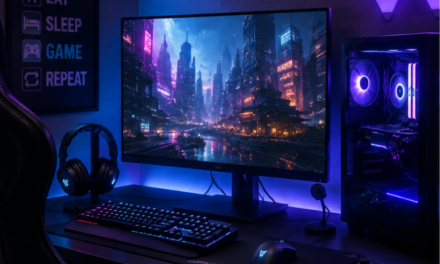
We are seeing properties equipped with “Creative Suites” featuring high-end rendering workstations, professional-grade recording environments for podcasters, and VR/AR zones for architectural visualization. This shift turns the property into a tool for the guest’s professional evolution. It is no longer enough to provide a desk and a chair; the modern retreat must provide the “Intellectual Infrastructure” required for high-level creative and professional work.
This “Value-Added Stay” model is particularly effective for attracting the high-net-worth digital nomad segment. These travelers are not looking for a “vacation” in the traditional sense; they are looking for a location that allows them to maintain their professional momentum while enjoying a change of environment. The property that can provide the necessary digital tools will always command a premium in this market.
Operational Resilience and the Security Layer
As hospitality becomes more digitized, the security layer has become the most critical component of the infrastructure. In 2026, the “Fortress of Wellness” concept extends into the digital realm. Guests demand absolute privacy and data security.
This has led to the adoption of “Zero-Trust” networks within high-end rentals. Every device on the network is continuously verified, and guest data is encrypted both at rest and in transit. Furthermore, the use of noise monitoring technology—which monitors decibel levels without recording audio—allows hosts to maintain property security and community relations without infringing on the guest’s privacy. This balance between “Protection and Privacy” is the hallmark of a high-authority travel provider.
Reliability is the other side of the security coin. A property with a beautiful aesthetic but a weak network is a failure in the eyes of the 2026 traveler. Redundant internet connections—utilizing both high-speed fiber and satellite backup—are now a standard requirement for premium listings. This ensure that the “Digital Umbilical Cord” is never severed, regardless of the property’s geographic isolation.
Conclusion: The New Standard of Global Travel
The evolution of hospitality in 2026 is a reflection of a broader social movement toward integration and efficiency. We are moving away from a world of fragmented tools and toward a future of unified ecosystems. The maritime, terrestrial, and urban travel sectors are all converging on a single standard: the tech-integrated, high-authority environment.
For the audience at EnosTech, the takeaway is clear: the most effective way to explore the world today is through a lens of technological intentionality. By prioritizing properties that offer a robust digital infrastructure and a commitment to innovation, we are not just taking a trip; we are experiencing the future of living. The journey is the platform, and in 2026, that platform is more intelligent, more secure, and more responsive than ever before.