















The Future Of Connected Living: How Everyday Tech Is Becoming Smarter And Safer

As we stand on the brink of a new era in technology, the concept of connected living is transforming how we interact with our homes and communities. With innovations arriving at a breathtaking pace, everyday devices are being integrated into a broader digital ecosystem that not only enhances convenience but also prioritizes safety.
Brands like Oricom exemplify this shift, developing advanced communication and monitoring solutions that make modern living both smarter and more secure. From baby monitors and emergency radios to cutting-edge safety tech, these innovations illustrate how technology can support not just connectivity, but genuine peace of mind.
In this text, we’ll explore how smarter and safer technology is redefining our daily existence, from the smallest gadgets to entire smart cities.
The Rise Of Smart Technology In Daily Life
We’ve seen an incredible shift in how we view technology in our homes. Gone are the days when our devices merely served isolated functions, like a vacuum cleaner only cleaning or a light bulb just illuminating. Today, smart technology allows for an interconnected lifestyle where devices communicate and collaborate for our convenience.
When we think about the rise of smart technology, consider home automation systems like Amazon Alexa or Google Home, which can control everything from our thermostat to our refrigerator. Smart home trends are also accompanied by increasing consumer acceptance, with a study from Statista indicating that over 70% of consumers express interest in smart home products.
Not only that, but we now also find smart technology infiltrating our wearables, vehicles, and even health monitoring systems. The increasing demand for real-time data and integrated experiences has solidified our reliance on technology, guiding us towards a smarter future.
Key Innovations Driving Connected Living
The expansion of connected living hinges on several key innovations that are pushing us forward. Among these, Internet of Things (IoT) devices are perhaps the most significant.
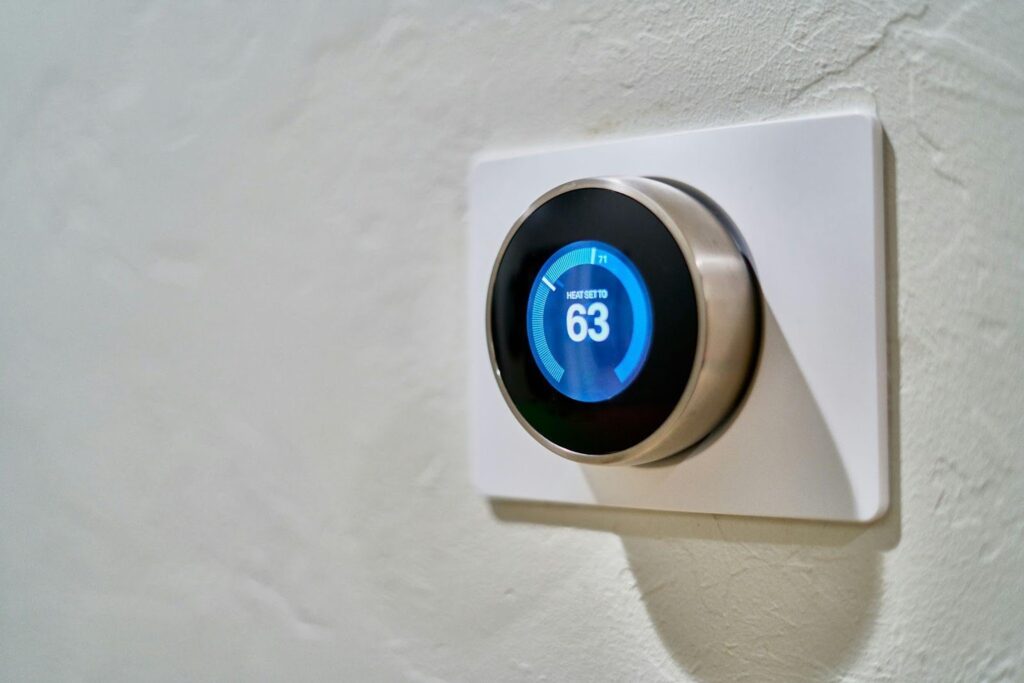
IoT devices enable connectivity between everyday objects. For instance, consider a smart thermostat that learns our routines and adjusts the heating or cooling based on our patterns, thereby increasing energy efficiency and lowering costs. Other innovations like smart refrigerators that can track expiration dates and compile grocery lists are not just advancing convenience but enhancing our health as well.
Also, smart locks and home security systems equipped with AI functions allow us to monitor our homes remotely, providing peace of mind. According to McKinsey, these innovations are expected to continue proliferating, making our living environments more interconnected to promote quality and convenience in our daily lives.
Enhancing Safety Through Smart Technology
One of the most critical benefits of smart technology is its ability to enhance safety. From smart smoke detectors that can send alerts to our phones when they detect danger to smart cameras that provide live feeds and motion alerts, every day is becoming safer.
For instance, smart locks are not just convenient: they come with features that allow us to monitor who enters and exits our homes. Many systems provide us notifications when someone uses a key or buzzes at the door, making it easier to manage access.
Also, health monitoring wearables track vital signs in real time, alerting us about any irregularities that may require attention. As stated by sources like HealthIT.gov, such innovations hold the potential to not only improve our daily lives but also save lives in critical situations.
Challenges And Considerations For Connected Living
While the benefits of connected living are evident, we must also acknowledge the challenges that arise. Chief among them is security, hackers aim to exploit vulnerabilities in interconnected devices. Data privacy concerns are becoming increasingly prominent, as the number of devices that gather personal data continues to rise.
The energy consumption draw of smart devices is another factor to consider. As we integrate more tech into our lives, the energy demands will increase, raising questions about sustainability. We must think critically about the long-term effects of so many devices operating in harmony.
Besides, interoperability between diverse brands and devices can be a headache, often leading to frustration. As highlighted by organizations like The Internet of Things Consortium, the industry must push toward unified standards and protocols for seamless functioning.
The Role Of AI And Machine Learning
Artificial Intelligence (AI) and machine learning are pivotal in shaping connected living. By mimicking human cognition, they analyze our behavior and preferences over time, leading to personalized experiences.
Smart assistants learn our schedules and preferences to improve the performance of devices, making suggestions that streamline our lives. For example, imagine a smart home that adjusts lighting based on the time of day and even suggests recipes based on what’s in your pantry. This degree of personalization can increase our daily efficiencies significantly.
Also, AI is infiltrating safety systems, improving threat detection, and responding to unusual activity more effectively. With machines predicting risks before they arise, our homes are becoming fortresses and facilitating a new standard of security.
Future Trends To Watch
Looking ahead, several trends set to revolutionize our connected living experiences include:
- Integration with Renewable Energy Sources: As sustainability becomes paramount, expect more tech that seamlessly integrates with solar panels or other renewable sources.
- Expanded Smart City Initiatives: Urban areas will likely carry out smarter infrastructure that enhances public transportation and energy usage. The Smart Cities Council emphasizes the necessity of interconnected systems to address urban challenges.
- Enhanced Augmented and Virtual Reality Experiences: As AR and VR continue evolving, they will likely add layers to our connected environments for entertainment and utility purposes.
These trends not only promise improvements in convenience but also support a more sustainable and efficient future. According to the Consumer Technology Association, smart technology is set to see remarkable growth, bridging the gap between the physical and digital realms.