











Is The Nightmare of Buying Second-Hand Gaming Tech Finally Over?
For years, gaming enthusiasts seeking deals on used hardware have tiptoed through a minefield. Misleading specs, broken parts, sellers who vanish after the sale; the stories are everywhere. But could the arrival of marketplaces like AEM Labs mean the end of this nightmare?
Horror stories all too real
From Reddit threads to forum horror tales, gamers have plenty of scars. One user in r/PcBuildHelp describes the sting of a hefty investment in a used PC, only to find key RAM chips missing. They write:
I bought a PC off someone from marketplace today. I am not the most well knowledged person on this, but I’ve been researching for the last 3 months to make sure I got something good enough for my university program and requirements.. found a listing for a Pc with an i7 11gen, RTX 3070, and 64gb of ram for $700. I was also saving up SO like figured this was maybe a good deal.
I meet up with the guy.. I guess I maybe didn’t ask enough questions or didn’t see the PC thoroughly, I also met him in a public place since I didn’t feel safe meeting somewhere else. Then I get home and the PC is so different than the one I was told I was buying :/ There is a rtx 2060 instead, only one 8gb stick of RAM, and only 1/3 of the storage it said it would have.. the PC fans light up but dont even spin and I haven’t been able to get any video out in my monitor yet..
Kinda at a loss since I dont know what to do to fix i.. currently on the floor crying because i feel like I got ripped off plus have no more money to actually get the PC to the specs I need it at.. haven’t checked the CPU or the other specs yet either so i dont really know what to do.. the seller immediately blocked me as well.
In another discussion, someone raised concerns about buying a fully used PC: Will the GPU degrade faster? Will components that look ok fail quickly if they’ve been used heavily? These aren’t just “buyer’s remorse” stories; they’re warnings of what can go wrong.
These risks have pushed many potential buyers to stick to new parts (and higher prices), or else to risk unverified platforms where a “good deal” can quickly sour.

What breaks trust in the used-hardware game
Several themes repeat when it comes to building a PC with second-hand parts:
- Misrepresentation: Sellers exaggerate or omit damage; “works fine” might mean “works sometimes” or “only in safe mode.”
- Hidden damage: Parts have been overclocked or used in harsh conditions, for mining, with high heat, or even destroyed and resold after cosmetic fixes.
- Lack of testing or verification: Buyers can’t see the hardware in action before paying, or there’s no way to verify age/usage/performance.
- Poor packaging or shipping: Even functional components can arrive damaged.
- No recourse: No returns, no money back, seller disappears, buyer protection is weak.
For many, these risks aren’t theoretical. They’ve cost hundreds or thousands, sometimes more in frustration than cash.
AEM Labs: building trust in second-hand gaming tech
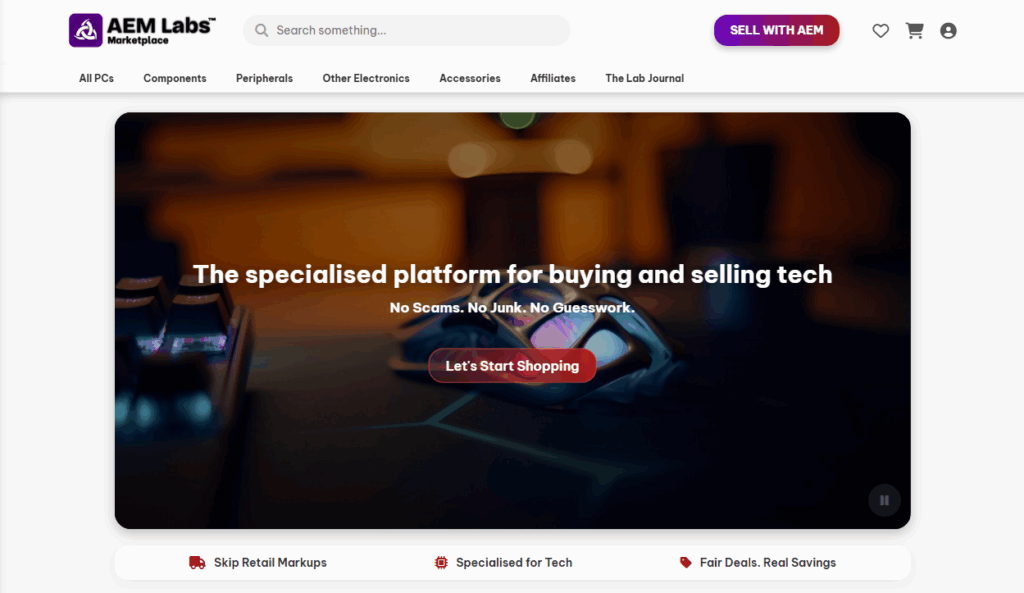
Enter AEM Labs; a UK/EU marketplace that aims to fix many of the issues above. Their tagline: “Buy & sell with confidence.” From their site, a few key points stand out:
- Verified sellers & components: AEM Labs offers “trusted transactions” and “verified community sellers” as part of their offering.
- Zero listing fees for sellers, making it more attractive for honest individuals to list properly rather than cut corners.
- Marketplace categories for graphics cards, CPUs, gaming PCs, accessories, etc., with used / like-new / refurbished condition clearly stated.
- Buyer protection and policies that help ensure you aren’t simply getting handed a brick dressed up in fancy marketing.
Does this solve the nightmare entirely?
Not entirely. But these measures go a long way toward reducing the risk.
Even in the best marketplaces, used parts carry inherent uncertainty. How has the hardware been used? Was a GPU pushed hard in hot conditions? Was there liquid cooling, was it abused, or maybe just heavily dust-laden? Even if a part passes inspection now, its lifespan is still variable.
For those buying, recommended practices remain:
- Always check seller ratings, feedback, and history.
- Ask for clear photos, test evidence, and original packaging, if possible.
- Use payment methods with dispute protections.
- If you can, inspect or test in person, or rely on platforms that do this for you.
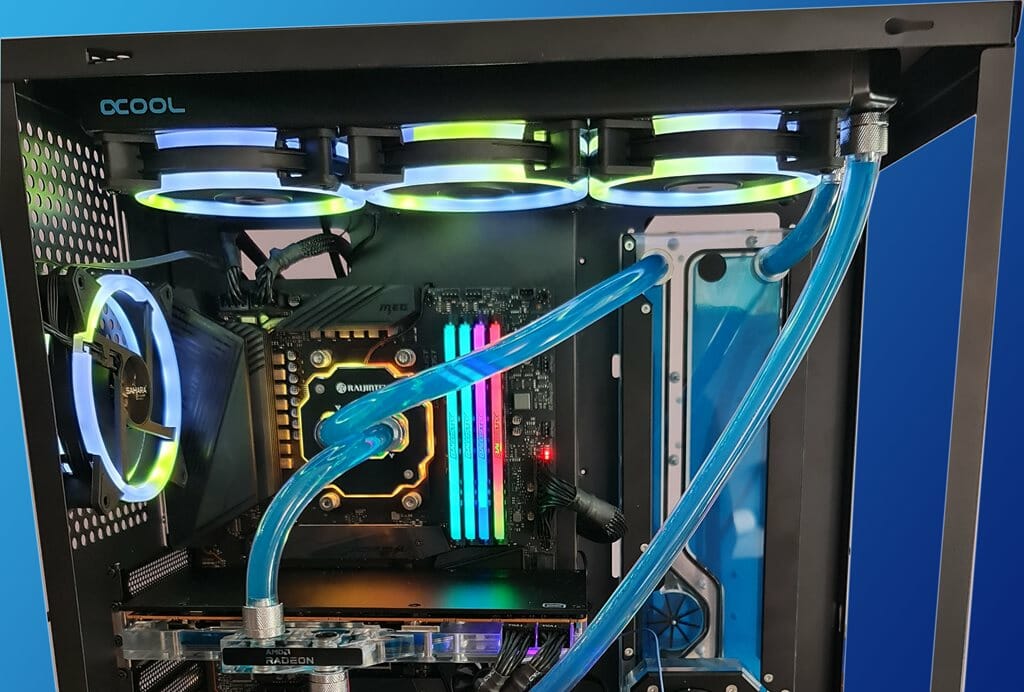
So, has the nightmare ended?
For many gamers, marketplaces like AEM Labs represent a turning point. The trust gap is closing. Where once buying used meant rolling the dice, now it’s more about informed risk, backed by policies, verifications, and clearer transparency.
Has the nightmare ended? Perhaps not entirely, no solution is perfect. But with AEM Labs and similar platforms, the worst of the nightmares (scams, fake or damaged parts, nowhere to take your complaint) seem less inevitable.
Gamers who need an upgrade, who want to trade old parts or find value, are in a better place than they’ve been in years. If you’re considering buying used, it might be time to walk into this new marketplace with more confidence than you ever thought possible.