













The Smart Shift: Integrating Tech To Drive Customer Loyalty
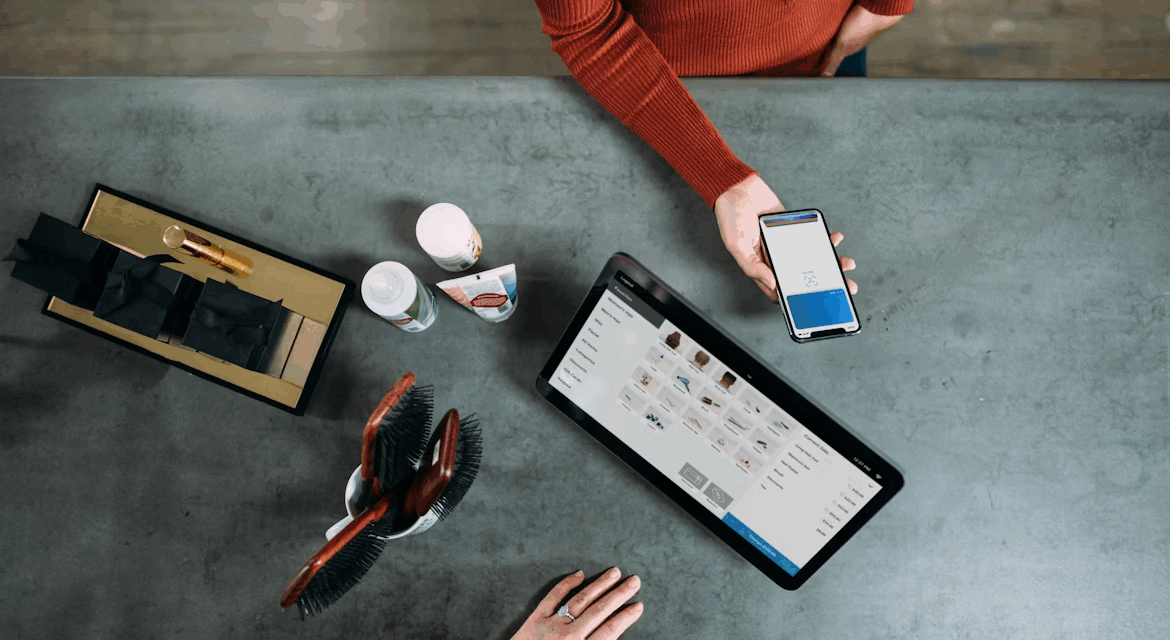
Building a loyal customer base is a top priority for businesses in today’s competitive landscape. Leveraging innovative solutions can create stronger relationships with customers. Companies that effectively integrate technology can personalize experiences, enhance communication channels, and gain valuable insights into consumer behavior.
Brands can stand out from the competition and create enduring relationships with their audience by embracing technology strategically and concentrating on fostering consumer loyalty. This article explores how businesses can leverage technology to drive customer loyalty and explore strategies that enhance engagement and retention.
Enhancing Customer Engagement through Technology
Technology enables businesses to foster deeper customer engagement through various channels. Interactive websites and mobile applications provide users with immediate access to brand information and purchased products.
These platforms facilitate seamless communication, permitting customers to connect with support teams, leave feedback, and access relevant content. Incorporating chatbots can respond to inquiries instantly, enhancing the customer experience. Social media platforms serve as vital tools for modern businesses.
They foster two-way communication, allowing brands to engage with their audience actively. Brands may become market leaders and offer a forum for consumer engagement by disseminating good content.
Responses to comments and messages can humanize the brand, promoting transparency and trust. Utilizing data analytics, marketers can gain insights into customer preferences and behaviors, tailoring campaigns to resonate with the target audience and creating a more personalized experience.
Brands that successfully merge engagement-enhancing technologies see higher loyalty rates as customers feel valued and understood.
Building Customer Relationships
Establishing meaningful relationships with customers forms the cornerstone of long-term loyalty. Businesses must proactively listen to customer feedback and respond effectively.
Regularly surveying customers allows companies to gather insights into their expectations and preferences. The team behind TSA Group says that understanding customers’ needs leads to improved service offerings and satisfaction. Brands that prioritize personalized customer interactions benefit from increased loyalty.
Organizations can develop a devoted customer base by fostering a welcoming atmosphere where clients feel appreciated and heard. Utilizing loyalty programs that reward repeat purchases enhances this relationship. Implementing a well-designed program fosters a sense of belonging and encourages customers to return for future purchases.
Companies should embrace a multi-channel approach, allowing customers to engage through various touchpoints. Whether through social media, email, or in-store experiences, providing consistent interactions enhances brand recognition and reinforces customer loyalty.
Utilizing Data Analytics for Personalization
Data analytics plays a pivotal role in building customer loyalty. Businesses can analyze customer interactions, preferences, and buying behaviors to tailor their offerings and marketing strategies.
Companies can leverage customer segmentation to categorize their audience based on behaviors, demographics, or interests. This targeted approach allows businesses to deliver personalized messages and recommendations, enhancing the customer experience. Harnessing data enables businesses to predict customer needs proactively.
Businesses can predict consumer behavior by examining past purchasing trends, guaranteeing the prompt supply of relevant goods or services. Personalization extends beyond mere product recommendations. It can include customized email marketing campaigns, special offers, or loyalty rewards tailored to individual preferences.
This deep level of customization makes customers feel uniquely understood, which fosters a stronger emotional connection to the brand beyond simple transactional loyalty. Through the use of real-time analytics, businesses can now serve dynamic content and offers based on real-time activity, personalizing the online experience as it unfolds.
The Role of Innovation in Customer Loyalty
Innovation remains a vital pillar for businesses seeking to drive customer loyalty. Innovative solutions foster creativity and improve existing processes, leading to enhanced customer experiences.
Embracing new technology can help businesses remain competitive in a rapidly changing market. Introducing augmented reality (AR) features can allow customers to visualize products in their space before making a purchase decision.
Investing in innovative customer service channels, such as self-service options, further enhances loyalty. Many consumers appreciate the ability to find answers on their own, reducing frustration and time spent waiting for assistance.
Businesses that embrace digital transformation are better positioned to adapt to evolving consumer demands. As customers become accustomed to technological advancements, they expect brands to keep pace with industry trends. Meeting these demands can result in increased satisfaction and drive loyalty.
Beyond mere convenience, consistent innovation positions a brand as a leader, giving customers a sense of pride and confidence in their choice to engage with you. This proactive approach to problem-solving can create positive “surprise and delight” moments, such as when a new feature elegantly addresses an unspoken customer need.
A culture of innovation often leads to the development of a unique ecosystem of products and services, which increases switching costs and deepens customer integration with the brand.
Creating an Omnichannel Experience
Implementing an omnichannel strategy is critical for businesses focused on customer loyalty. Consumers interact with brands across various platforms, from social media to physical stores. Businesses may guarantee that customers receive consistent messaging and support by offering a seamless experience across all touchpoints.
An omnichannel approach allows businesses to track customer interactions effectively. This data can reveal insights about preferred channels and enable brands to personalize experiences accordingly.
A customer who initially interacts with a brand on Instagram may appreciate receiving follow-up emails. Creating a seamless transition across platforms enhances customer convenience and satisfaction.
Integrating technology across channels can facilitate enhanced communication. Whether customers are shopping online, via mobile, or in-store, keeping interactions consistent reinforces brand loyalty.
The Impact of Customer Feedback
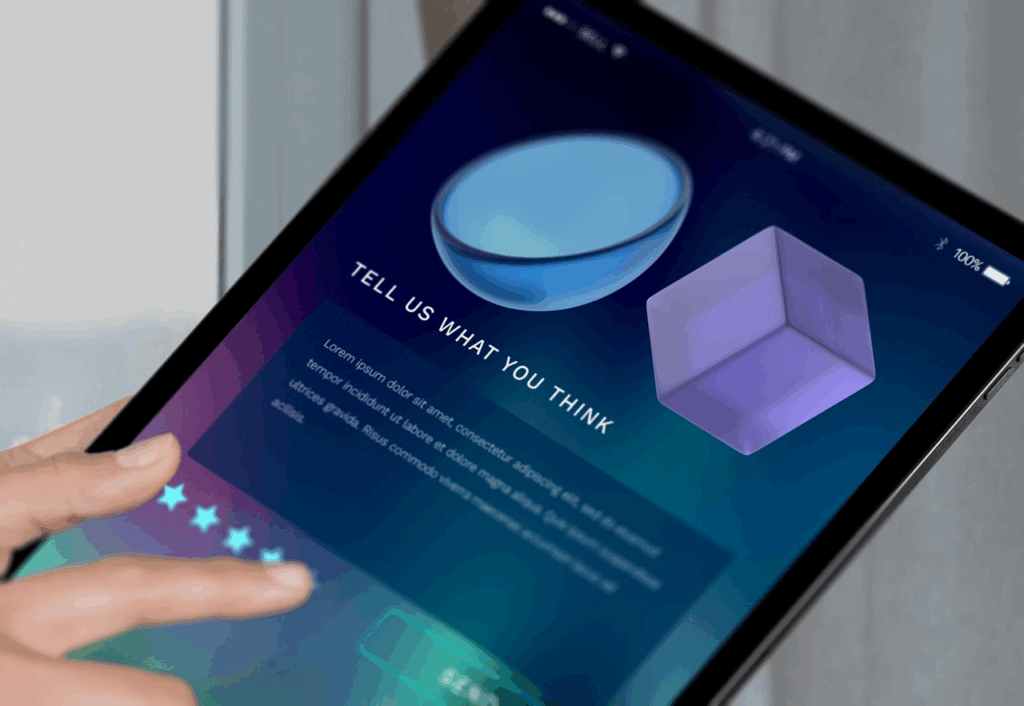
Customer feedback serves as a vital resource for businesses aiming to enhance loyalty. Welcoming customer input creates a culture of openness and trust. Companies that actively solicit feedback through surveys, reviews, and social media can identify areas for improvement and address customer concerns effectively.
When customers see that their opinions lead to tangible changes, their loyalty strengthens. Timely responses to customer feedback are equally important. Demonstrating that a brand values its audience enhances the perception of that business.
Customers appreciate brands that listen and adapt to their suggestions. This ongoing dialogue fosters a sense of belonging and encourages repeat purchases. Analyzing customer feedback helps businesses identify trends and spot challenges before they escalate.
Through proactive problem-solving and change implementation, businesses build a devoted clientele that feels appreciated. Regularly investing in customer feedback motivates businesses to strive for continuous improvement, benefiting customers and the company alike.