















Cybersecurity in Gaming: How to Protect Your Accounts and Digital Assets
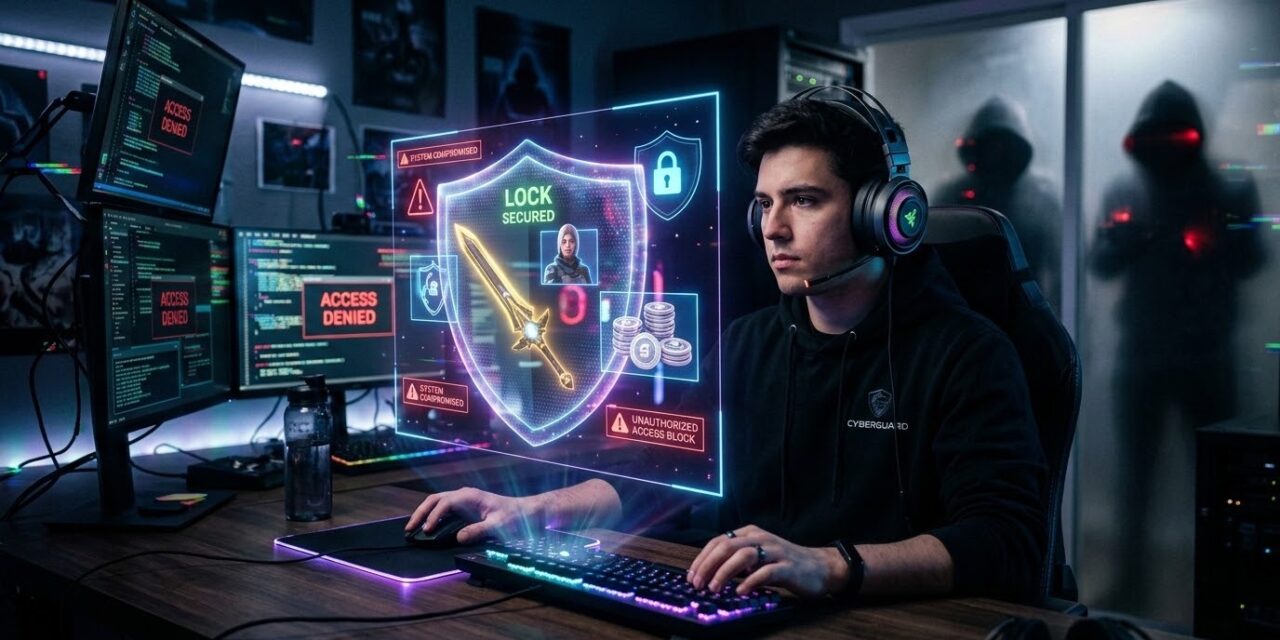
You log in, click “start,” and within seconds you’re back in your favorite world. A ranked match, rare skins, maybe years of progress sitting quietly in your profile. It feels casual, almost light. But here’s the twist—your gaming account is no longer just a hobby corner. It’s a small digital vault, often more valuable than people admit out loud.
And yes, attackers know it. They don’t care if you’re a pro player or someone who logs in after work for a quick match. They care about access, items, and data. Funny thing is, most breaches don’t happen through “hacker movie” techniques. They happen through simple human moments—clicking too fast, reusing passwords, trusting the wrong link.
Sometimes it even starts with something that looks completely harmless, like a message or a page saying “เข้าสู่ระบบ 1xbet”—just sitting there like it belongs, blending into the flow of normal clicks and quick decisions.
A lot of players still think, “Why would anyone target me?” That question is exactly what makes accounts easy to break into. And honestly, the gaming space has become a quiet playground for phishing pages, fake giveaways, and stolen credentials being traded like currency.
So let’s break it down without drama. No paranoia, just clarity. Because once you see how these attacks work, you start noticing them everywhere—and that’s where things get interesting.
“Wait… was that login page real?” — phishing and password traps
Phishing in gaming doesn’t usually look scary. It looks normal. A Discord message from a “friend” sending a tournament link. A pop-up promising free skins. A login page that feels slightly off, but not enough to trigger alarm bells.
That’s the trick. Everything is built to feel familiar.
Attackers rely on speed. You’re distracted, maybe mid-match, maybe just checking something quickly. You enter your credentials without thinking twice. And just like that, the data is gone. No explosion, no warning—just silent access on someone else’s device.
Passwords are another weak spot. People still reuse them across platforms, even though it feels a bit like using the same key for your apartment, car, and mailbox. Convenient, sure. Safe? Not really.
What makes it worse is how slowly the damage appears. You might not notice anything for days. Then your inventory changes. Your rank drops. Friends report weird messages sent from your account. And suddenly it clicks.
There’s also a psychological layer here. Fake pages often create urgency—“your account will be locked,” “limited-time reward,” “verify now.” That pressure short-circuits thinking. It’s not about intelligence; it’s about timing.
So the real question becomes: how often do you actually stop and look twice before logging in somewhere? That small pause is often the difference between safe access and a stolen identity.
“One extra step… really matters” — 2FA and device control
Two-factor authentication sounds boring at first. A code, a notification, an extra step before logging in. People sometimes skip it because it feels like friction. But in practice, it acts like a locked second door that most attackers simply can’t open.
Even if someone gets your password, they hit a wall right after. And that moment changes everything. Because stolen credentials alone suddenly aren’t enough.
There’s also device management, which many players ignore completely. Old phones still connected. Public PCs where you forgot to log out. Shared machines at internet cafés. Each one is like a forgotten window left slightly open.
What’s interesting is how invisible this layer feels. You don’t “see” protection working. You just notice when nothing bad happens, which makes people underestimate it. A bit ironic, right?
And then there’s session alerts—those small notifications when a new login happens. People often dismiss them. “Probably me,” they think. But sometimes it isn’t.
A simple habit shift helps here: check active sessions once in a while. It takes less than a minute, yet it gives a surprisingly clear picture of where your account is alive.
Think of it like checking who has keys to your digital space. Not exciting, but strangely reassuring once you do it.
Skins, items, and the quiet economy you might be ignoring
Let’s be honest—digital items in games don’t feel “real” until they disappear. A rare skin, a hard-earned weapon, a limited event badge. On their own, they look like pixels. But within gaming communities, they carry real weight.
There’s even a secondary economy built around them. Trading, selling, gifting—sometimes on official platforms, sometimes not. And wherever value exists, attention follows.
Attackers understand this better than most players realize. Instead of going after “money,” they go after items that can be converted into money. Skins become targets. Accounts become containers.
What makes this tricky is emotional attachment. People often protect financial accounts carefully, but treat game inventories more casually. Yet losing a rare item can feel surprisingly personal, almost like losing a memory tied to hours of gameplay.
Scams around item trades are especially common. Fake middlemen, cloned marketplace pages, “urgent trade offers” that disappear after confirmation. They rely on excitement. That moment when you think, “This is a good deal, I should act fast.”
And here’s the subtle contradiction: the more valuable your collection becomes, the more relaxed players sometimes feel, because it becomes normal. That normality is exactly what attackers rely on.
So it raises a simple but uncomfortable thought—are your digital assets actually more exposed than your bank details?
“Small habits, big difference” — staying ahead without overthinking it
Security in gaming doesn’t have to feel heavy. In fact, the moment it becomes overwhelming, people tend to ignore it completely. That’s the irony—too much fear creates inaction.
A better approach sits in everyday habits. Not dramatic changes, just consistent awareness. For example, checking links before clicking them. Not rushing login prompts. Keeping email accounts tied to games extra secure, since they often act as the real entry point.
There’s also value in separating identities a bit. Using one email for everything and another for gaming can reduce risk without adding complexity. It’s like keeping different keys for different doors—nothing fancy, just practical spacing.
Social engineering is another angle people underestimate. Attackers don’t always break systems; sometimes they simply talk their way in. A friendly message, a “support agent,” a fake teammate asking for help. It feels casual, which is exactly why it works.
And yes, mistakes happen. Everyone clicks the wrong thing at least once. The goal isn’t perfection—it’s reducing the impact when something slips through.
So maybe the real mindset shift is this: treat your gaming account like a space you’ve built over time, not just a login screen. Because once you start seeing it that way, your instincts naturally sharpen.
And strangely enough, that’s usually all it takes to stay a step ahead.