














How Glitches in Car Technology Cause Accidents
Modern cars are full of sensors and complex code meant to make driving easier. Every year, manufacturers add new layers of automation to help with parking, braking, and staying in your lane.
These features are great when they work, but they can create new risks when the software fails. Drivers often trust these systems too much and stop paying full attention to the road. A small glitch can quickly turn a normal commute into a dangerous situation.
Software Failures on the Open Road
Operating a vehicle today involves relying on thousands of lines of computer code.
Modern driving often feels safer with computers helping you steer. When you encounter Car Accidents in Laredo, Encinal, or anywhere else, legal help is often needed to manage the fallout of a tech failure. Evidence of a system error could change how people view the cause of the crash.
The Problem With Sensor Calibration
Cameras and radar units act as the eyes of your vehicle. These tools must be perfectly aligned to provide the computer with accurate data. If a sensor gets bumped in a parking lot, it might start “seeing” things that are not actually there.
Industry experts have pointed out that if a sensor is off by just 1 degree, the error grows significantly over a long distance. It could mean the car ignores a real hazard until it is too late to stop. High-tech sensors require precision that is hard to maintain in the messy real world.
Phantom Braking and Driver Assistance
One of the most alarming issues is when a car slams on the brakes for no reason. This is often called phantom braking, and it catches drivers and those behind them by surprise. It usually happens when the car misinterprets shadows or overhead signs as solid objects.
A 2026 report on a fatal crash in Romania mentioned suspected links to these driver-assistance systems.
Investigators looked at whether the car reacted to a “ghost” hazard on the motorway. These types of glitches show that even the most advanced safety programs are not perfect. A sudden stop at high speeds is a recipe for a multi-car pile-up.
Critical Safety Risks in Modern Tech
Technology moves fast, but safety standards sometimes lag behind the latest gadgets. Drivers need to understand which parts of their car are controlled by software. Many common features can fail without warning if a bug exists in the system.
- Lane-keeping tools might pull the wheel toward a construction zone.
- Adaptive cruise control can accelerate suddenly when a car exits your lane.
- Blind-spot monitors sometimes miss small motorcycles or bikes.
- Touchscreen menus can freeze, preventing you from seeing your backup camera.
These failures often happen in a split second. A driver who is not ready to take over the wheel will likely hit something.
Recalls and Hidden Technical Bugs
Manufacturers often discover software problems after thousands of cars are already on the road. Fixing these issues usually requires a trip to the dealership for a firmware update. If a driver ignores a recall notice, they are driving a vehicle with a known defect.
A 2024 news story detailed a recall of millions of vehicles after software glitches affected trailer brakes. Without working brakes on a trailer, a truck becomes very hard to control on a hill. It shows that even heavy-duty components rely on code to function safely.
Over-Reliance on Automation Features
Many people treat “driver assist” as if it were “self-driving.” This is a dangerous mistake that leads to many avoidable crashes. When the car takes over the steering, the human behind the wheel often looks at their phone or the radio.
When a glitch occurs, these distracted drivers cannot react fast enough to save the day. A computer might handle 99 percent of a drive perfectly, but that 1 percent failure is where the danger lies. Staying alert is the only way to catch a technical error before it causes a wreck.
Complexity in the Modern Dashboard
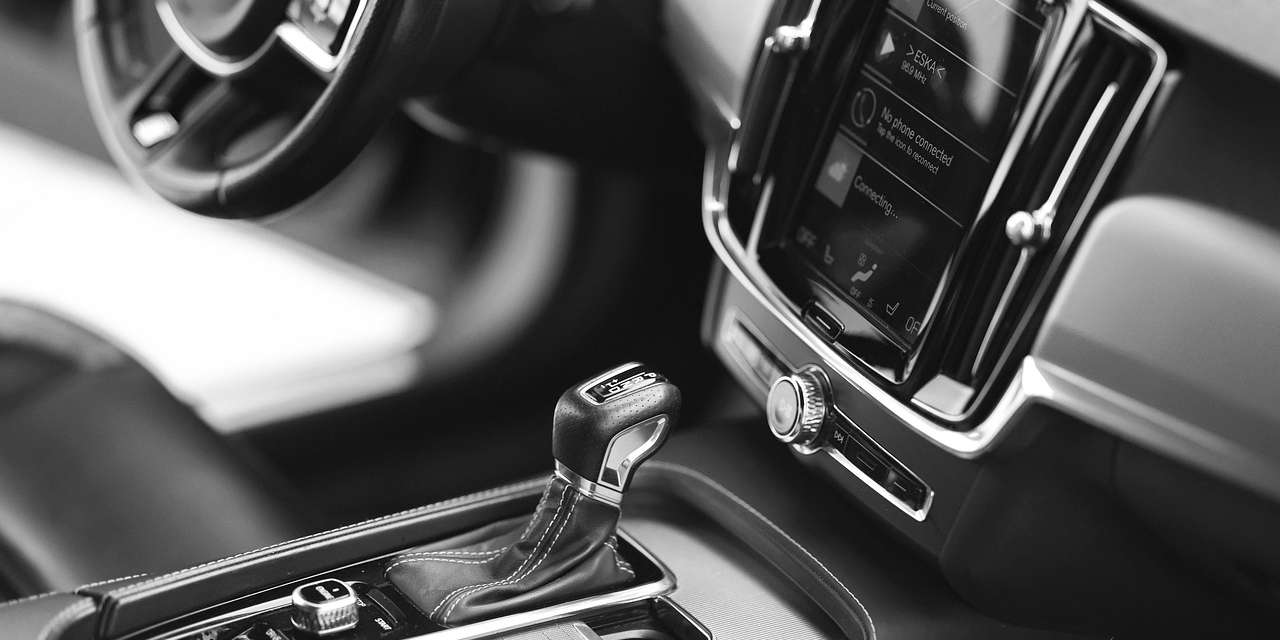
The sheer amount of tech in a cabin can be a distraction on its own. Instead of simple knobs, drivers now have to navigate layers of menus on a screen.
Trying to fix a setting as you drive at 60 miles per hour is a major risk. If the screen glitches or goes black, the driver might panic and lose focus on the road.
Physical buttons are easier to use without looking, but they are disappearing from new models. We are trading simple mechanics for complex screens that can fail just like a smartphone.
Keeping your eyes on the road is harder when the car demands your attention through beeps and flashes.
Cars will continue to get smarter as the years go by. We should appreciate the safety these systems provide as they stay aware of their limits. Software will always have bugs, and sensors will always have blind spots.