













How to Protect Your Personal Data from Modern Threat Actors
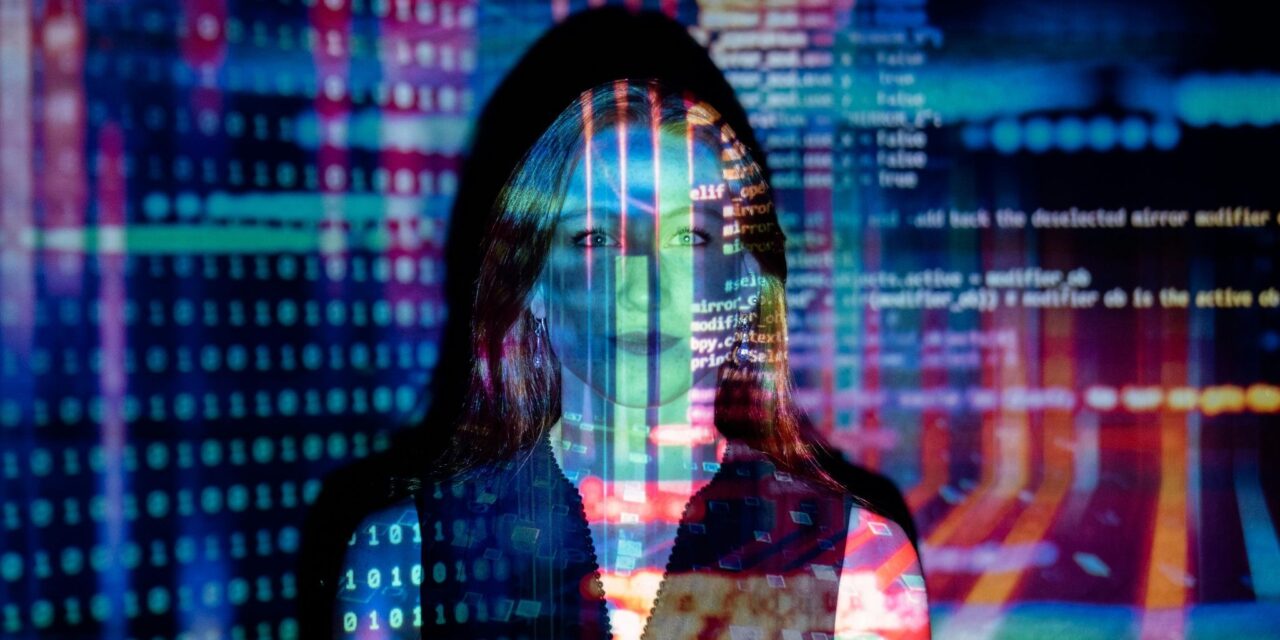
Data protection has gone beyond sketchy web links and jackpots that look too good to be true. While it’s still a good idea to avoid sketchy content, modern threat actors are much more sophisticated.
Top 3 Data Piracy Strategies in 2026
In the Art of War, it’s said that to defeat your enemy, you must first know him. Data piracy has grown worse with the rise of AI deepfakes, and it’s why most AI and cybersecurity platforms like Cybernews call for more cyber-awareness. Hence, to protect your data against modern threat actors, you must first understand how they operate.
Here are 3 major strategies threat actors use in 2026:
AI Phishing and Deepfakes:
Unlike old school phishing that’s easily detectable with its bad grammar and poor logo remakes, AI phishing techniques are harder to spot. They simply use AI to generate phishing content and nearly identical images that are hard to tell from the real deal.
Since AI is trained on massive data from the net, it’s easy to replicate exact brand images and content style to deceive the unsuspecting. They could even go as far as scraping your private and professional data from the web, just to create a convincing phishing content e.g. fraudulent invoices from your core service providers.
Add deepfakes to the mix, and you’re dealing with not just a convincing text but a perfectly cloned voice or video call of someone you trust.
Credential Stuffing:
This is an upgraded strategy that involves serial attempts to access your digital accounts and also bypass the old CAPTCHA system using AI bots. Here, threat actors use automated bots that attempt logging into digital accounts by over a thousand times per minute. This is known as stuffing, and is often successful since most internet users reuse passwords.
Also, since AI is trained to mimic humans, it’s become easier to bypass the CAPTCHA verification system.
Creeping and Data Hijack:
These two are hard to detect. Creeping AI tools basically gain access to your PC/smartphone and watch you quietly. They’re usually embedded into fake, cloned, or modified apps, which users are less wary of. And all they do is silently read your logins, keystrokes, screenshots, recordings, OTPs, and other digital habits.
When sufficient data has been monitored and collected, the next phase is to hijack your data. It could be a sudden logout of all your digital accounts, forcing you to pay before regaining access. This is the classic ransomware playbook. It could also be identity theft or fraud executed in your name e.g. unsuspecting friends and family would be asked for minor quick favors.
5 Strategies to Secure Your Personal Data in 2026
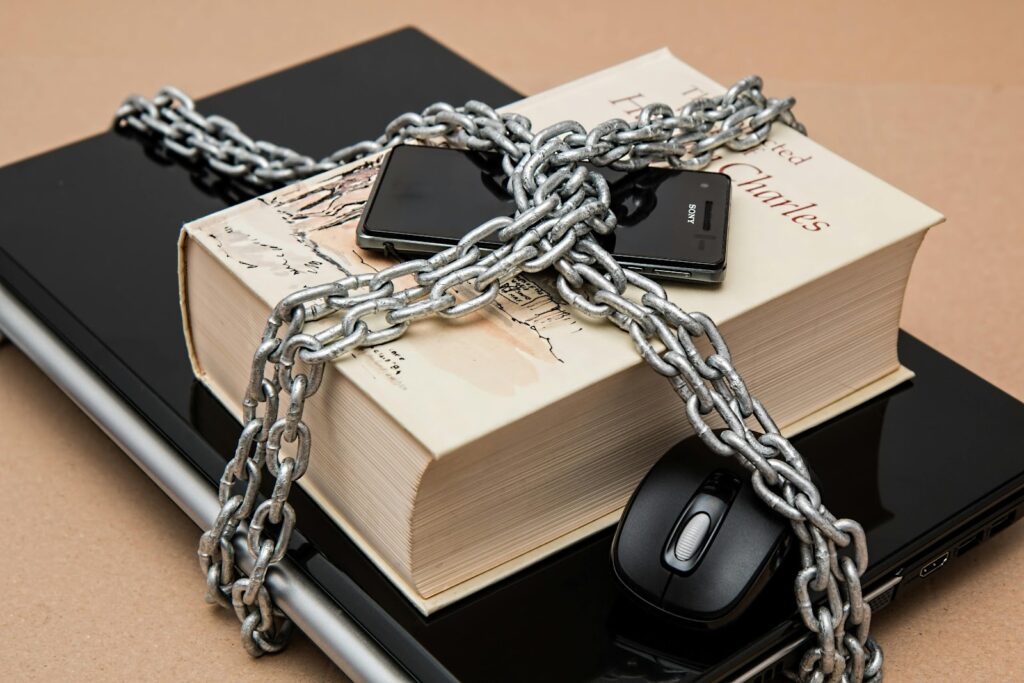
Since modern threat actors are highly sophisticated, detecting their activity is nearly impossible for an untrained eye. It’s one of the reasons most cybersecurity platforms like Cybernews advocate for basic cybersecurity training for both professionals and regular individuals.
But, even if you can’t accurately tell if or when a threat actor is operating, there are a few things you can do to secure your data. Here are five major strategies you should adopt in 2026:
- Segment Your Digital Network:
Simply speaking, you should have separate digital accounts and WiFi for work, personal matters, and guests. Think of it like having different lockers for different things; if one gets broken into, the others stay safe.
While it might seem like overkill, having separate accounts, WiFi, and even gadgets ensures that a data leak stays contained. Hackers are usually keen on snooping elsewhere once they gain access somewhere, but segmenting your accounts prevents this.
- Operate a Zero-Trust Authentication System
If your only line of defense is your passwords, then you’re at risk. No matter how complex a password, all it takes is for an AI credential stuffing tool to take its time to try as many combinations as possible to get it right.
The classic password security advice from expert platforms like Cybernews is that you must run a zero-trust multi-factor authentication system. Don’t just rely on passwords alone. Subscribe to an OTP (one-time passcode) service provider as well. Additional backup security could be fingerprint-enabled protection, recovery phrases, and using trusted password managers. The authentication system is simple – trust no one.
- “False Flag” Data Masking
Confusion is great for protecting secrets if you can use it well. Rather than storing all your info in one place, it’s helpful to spread it across multiple secure channels. But, when doing this, intentionally store false info across board. This bait-and-switch system ensures that whenever your data leaks, you can quickly tell what channel was compromised. This way, detection and containment happen fast and depend on the false data you embed.

- Minimize Your Digital Footprint:
There’s a reason why most celebrities and security-aware persons live different lives online and offline. Rather than posting every life update online, it’s safer to keep things to yourself. This is what it means to minimize your digital footprint.
Here’s a self-audit: with what you already post online, can anyone reasonably tell who you are, your location, work, and preferences? If yes, it’s about time you delete. If a random person can piece together a few major or minor info to get a decent perception about you, then a threat actor using AI creeping tools can do better.
- Operate an Offline Call-to-Verify System
This follows the zero-trust authentication system. Since AI deepfakes are proving harder to detect, it’s best to go offline and directly call or reach out to the person who’s making a request to confirm its authenticity. No matter how insignificant the request is, a quick call to the person or someone nearby helps.
Conclusion
In a way, protecting your personal data needs a bit of paranoia. Knowing that there are bad actors out there waiting to catch you unawares should keep you on edge about doing all you can to protect your data. The risks are endless; it could either be you losing access to your financial accounts, or someone else getting scammed by someone who looks and sounds like you.
But the good news is that protecting your personal data isn’t as expensive as it looks. A few cyber-aware lifestyle changes are sufficient to keep your data safe.