










The Rise of Multi-Device Gaming: PC, Mobile, Handheld, and Browser Play in One Ecosystem

Gaming used to mean choosing a corner of the house, sitting down at a single screen, and committing to that platform for the evening. That assumption has broken down almost entirely. Today, a single player might begin a round on a desktop, continue it on a phone over lunch, switch to a handheld on the commute, and finish the night through a browser tab on a laptop in bed.
As gaming moves across desktops, phones, handhelds, and browsers, players also need reliable ways to compare the platforms and services they use along the way. For bitcoin casino discovery, in particular, structured review hubs, such as Bitcasinosrank, give players a focused place to assess casinos, bonuses, payment methods, and game options before committing real funds.
That kind of structured comparison has become the norm across high-stakes online categories, because the more screens a person plays on, the harder it is to evaluate any single service on instinct alone. This shift is not just about convenience. It is reshaping what the hardware looks like, how accounts and saves move between devices, and which categories of games thrive in this new ecosystem.
One Player, Many Screens
The single-device gamer is becoming rarer each year. The same person now expects continuity across form factors as a baseline feature rather than a premium one.
How the Lines Between Form Factors Blurred
Several distinct shifts converged in a short window:
- PCs and consoles still anchor the most demanding titles, but they no longer hold a monopoly on serious play
- Mobile chips closed the gap on sustained performance, particularly on burst workloads
- Handhelds, such as the Steam Deck, ROG Ally, and Lenovo Legion Go, brought desktop-grade libraries into commute-friendly form factors
- Cloud streaming and WebGL-class browser engines now run experiences that would have demanded native installs only a few years ago.
Taken together, these shifts have effectively erased the old hierarchy of devices.
A New Default for Casual and Competitive Play
The split between casual and competitive play used to map cleanly onto hardware. That is no longer reliable. Many competitive titles ship full-featured mobile clients alongside their PC versions, and casual genres now scale upward into demanding handheld setups. Players, in turn, treat their devices as interchangeable extensions of a single library.
| Device Class | Strongest Use | Typical Session Length |
| Desktop PC | High-fidelity, long sessions | 1–4+ hours |
| Console | Living-room, social play | 30 min–3 hours |
| Handheld PC | Portable AAA, travel | 20 min–2 hours |
| Gaming Phone | Quick rounds, mobile esports | 5–45 min |
| Browser | Instant access, no install | 5–30 min |
The Hardware Making It Possible
Behind this convergence sits a generation of devices engineered to handle workloads that were unthinkable on the same form factors only a few years ago.
Mobile Hardware Became Serious
Phone silicon now competes credibly with mid-range gaming laptops on burst performance. Sustained output remains the harder challenge, but vapor-chamber cooling, graphite layers, and active fans have closed much of that gap.
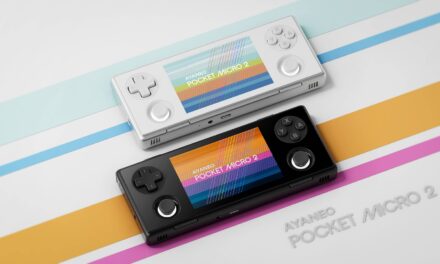
The accessory ecosystem has grown alongside: clip-on gamepads, finger sleeves, external triggers, and active cooling fans now form a small but credible market. For a deeper look at how this category matured, there is a feature on mobile gaming hardware that is worth reading in full. The convergence with the PC accessory market is one of the clearest signals that mobile gaming is no longer a novelty category.
Gaming Phones Join the Setup
The dedicated gaming-phone segment took this further. Models now ship with shoulder triggers, 144Hz to 165Hz AMOLED panels, and cooling systems borrowed directly from PC engineering. The REDMAGIC 11 Pro, for example, became the first mass-produced liquid-cooled gaming phone and pairs that with a high-RPM internal fan, a 7,500 mAh battery, and the Snapdragon 8 Elite Gen 5. The point of these devices is no longer to imitate a console. They sit confidently in the same lineup as one.
How Players Actually Move Between Devices
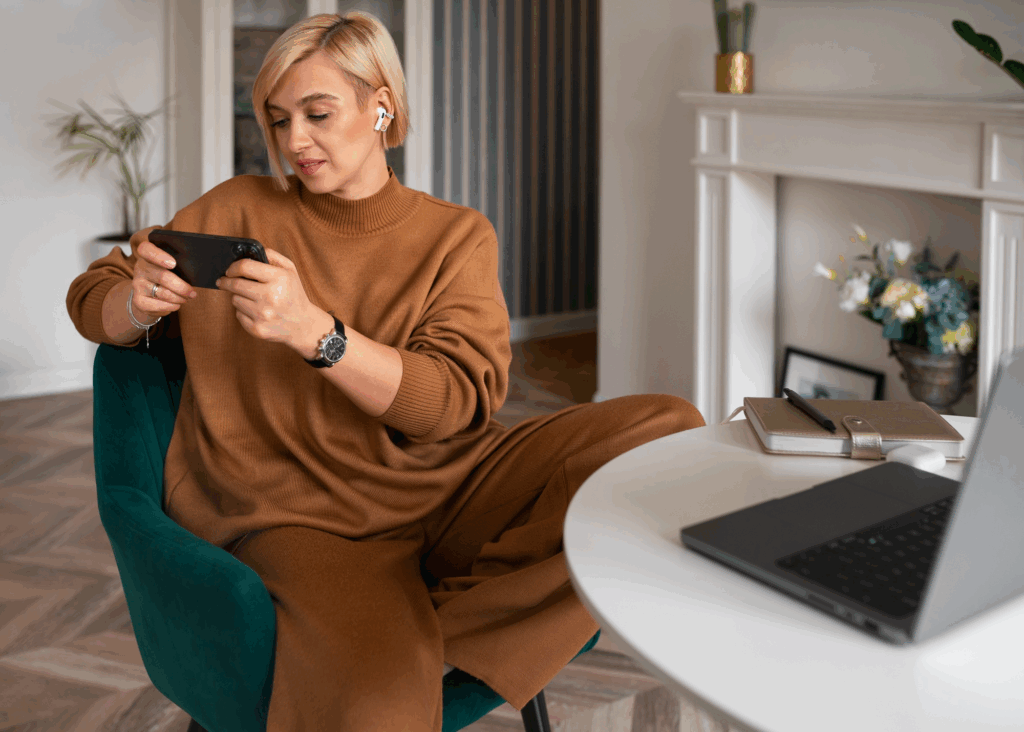
Hardware is half the story. The other half is the software glue that lets a session begin on one device and continue on another without friction.
Cloud Saves, Cross-Platform Accounts, and Browser Bridges
Cloud saves and cross-platform progression are no longer premium features. Steam Cloud, console-tied saves, publisher accounts, and emerging Web3 inventory layers all carry state across devices. Browser-based clients have become the connective tissue between sessions, often offering a stripped-down version of the same experience that runs natively elsewhere.
Tips for a Coherent Multi-Device Setup
A few habits make this kind of setup feel coherent rather than chaotic:
- Centralize accounts under a single email and password manager
- Enable cloud sync everywhere it is offered, even on smaller titles
- Match controller pairings so the same gamepad works across phone, handheld, and PC
- Keep one trusted browser profile reserved for instant-play sessions
- Document recurring login codes and 2FA backups in a secure vault.
Done well, the same library follows the player from screen to screen with almost no manual effort.
Multi-device gaming will keep expanding as silicon, software, and streaming push forward in parallel. The ecosystem already rewards players who plan their setup with intention, and that reward will only grow as the hardware behind every screen continues to converge on serious capability.











![Deal – FIREBAT FD2 Mini PC [2026]](https://www.enostech.com/wp-content/uploads/2026/06/image-63-150x150.png)